In brief
The Strait of Hormuz, a choke point for one‑fifth of the world's oil, has seen a sharp decline in traffic following recent US‑Iran retaliatory strikes that targeted three cargo vessels. Shipping intelligence shows only 23 ships passed the strait on Wednesday, down from 47 the previous week, and the Omani‑recommended route has nearly stopped functioning. The United States and Iran signed a memorandum of understanding in mid‑June that temporarily eased sanctions and promised Iran would safeguard free passage for 60 days, but the agreement has been fraught with ambiguities. The latest attacks raise concerns that the strait may remain closed until diplomatic progress is made, threatening global energy markets.
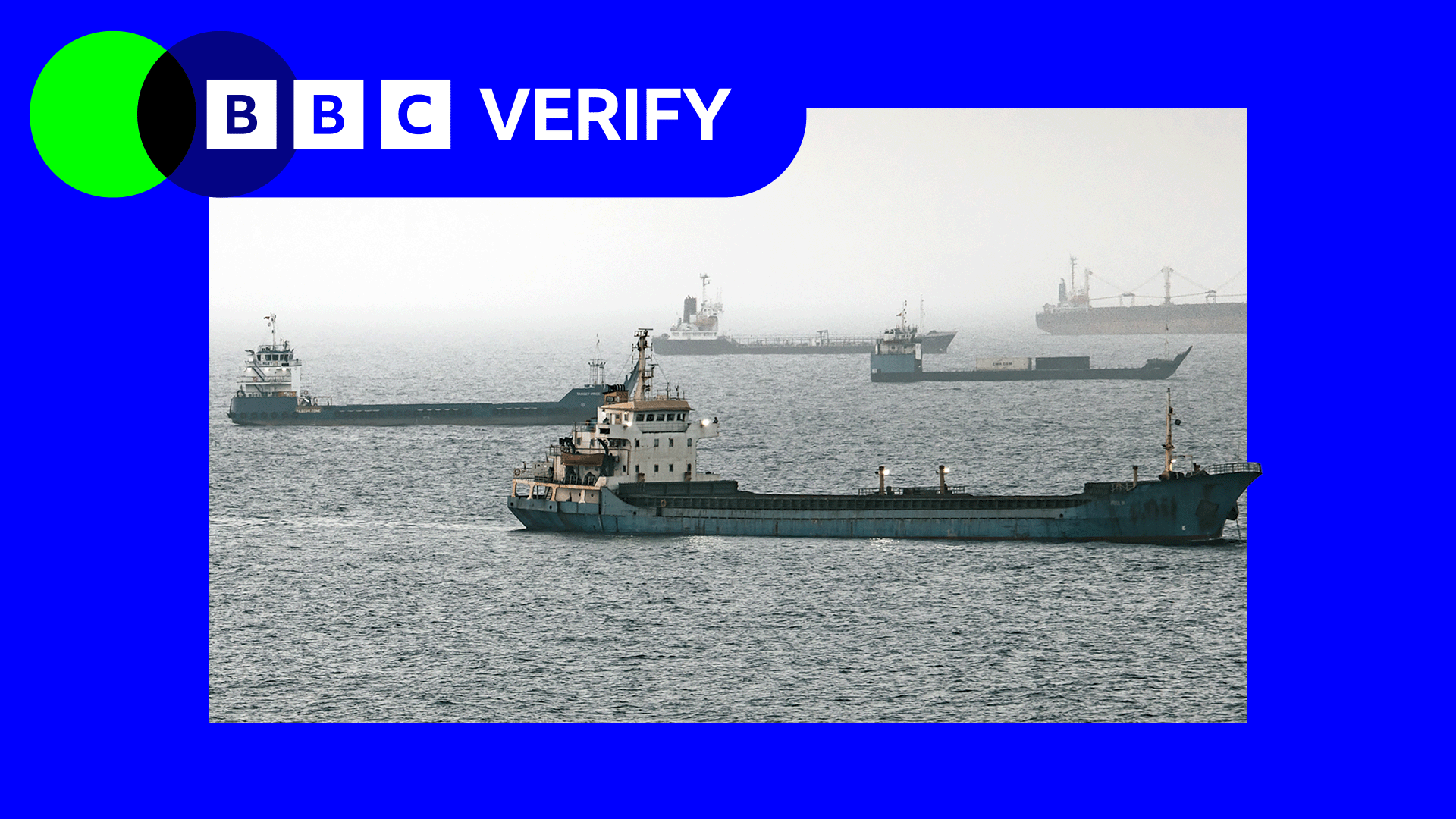
The Strait of Hormuz, through which more than a fifth of the world’s oil and gas supplies pass, is once again caught in a geopolitical crossfire. A week of escalating tensions sees the strait’s shipping traffic dive sharply, down to only 23 vessels on Wednesday after the United States and Iran struck three tankers travelling along the Omani‑recommended route.
Maritime‑intelligence firm Kpler reported that 47 ships had transited the strait a week earlier, while the pre‑conflict average of 138 ships per day, as recorded by the Joint Maritime Information Center (JMIC), has been shattered. The decline reflects a combination of Iranian-led mine deployments, widespread belligerence against ships in both Iranian and Omani waters, and a US naval blockade that suspended all commercial shipping to and from Iranian ports.
The stranglehold on the waterway began when the US and Israel launched their first strikes on Iran on 28 February. Iran responded by attacking vessels attempting to cross and subsequently laid mines in the region. In a surprising diplomatic move, the two sides signed a memorandum of understanding on 17 June, in which Iran agreed to use its best efforts to ensure the safe passage of commercial vessels for 60 days without charge. In exchange, the United States lifted its naval blockade and eased sanctions on Iranian crude exports. However, the deal contains vague clauses, and Iran has insisted on controlling passage and instituting fees, putting its long‑term commitment to free navigation in doubt.
After the MOU, the JMIC suggested shipping should shift towards a south‑Omani route. That route peaked at 28 vessels on 25 June, surpassing the Iranian‑preferred lane. Yet subsequent attacks on two ships in Omani waters, and Iran’s threat against any interference in routing decisions, have caused the Omani route to stall, dropping to zero crossings on Wednesday. Data from Kpler shows the route had averaged just ten ships per day prior to the attacks, and it now stands at a steep plateau with virtually no traffic.
Martin Kelly of EOS Risk Group predicts a repeating cycle: "Back and forth between the US and Iran before they reconcile, shipping will tick up and down until another attack triggers the same pattern again." The tension underscores a broader challenge: balancing economic incentives, military deterrence, and diplomatic frankness in a waterway that is vital to global trade.
With the Strait closed for now, the stakes remain high. Energy markets loom on the brink of volatility as oil prices could surge if key export routes re‑cease. The actors involved must resolve the inconsistency of the agreements, ensuring that the custodial role promised by Iran does not eclipse the freedom of passage, lest shipping delays ripple worldwide.