The Trump Administration's Stance on Fraud in SNAP
The Trump administration has adopted a strong stance against fraud in the Supplemental Nutrition Assistance Program (SNAP), claiming the program suffers from significant fraudulent activities.
Officials are taking an enforcement-oriented approach, viewing fraud as a costly hurdle that involves organized crime, individual malfeasance, and unscrupulous retailers.
Jennifer Tiller, a senior advisor with the Department of Agriculture, mentioned instances of fraud tied to both local and transnational crime syndicates.
Expert Insights on SNAP's Integrity
While some specialists concur on the existence of fraud within SNAP, substantial skepticism surrounds the extent of the issue due to limited public data.
Christopher Bosso, a public policy professor from Northeastern University, indicated that when substantial funds like $100 billion are involved, leakage is expected.
In total, SNAP serves around 42 million recipients, with benefits approximating $190 monthly per individual, coinciding closely with the number of individuals living in poverty.
Government Actions and State Reactions
Amid accusations of fraud, the Trump administration has mandated that states provide extensive information regarding recipients, raising privacy concerns among Democrat-led states while those with Republican leadership comply.
From the data already reviewed, the USDA revealed that roughly 186,000 deceased individuals were receiving benefits, indicating a broader challenge in tracking appropriateness of beneficiaries.
Understanding Fraud in SNAP
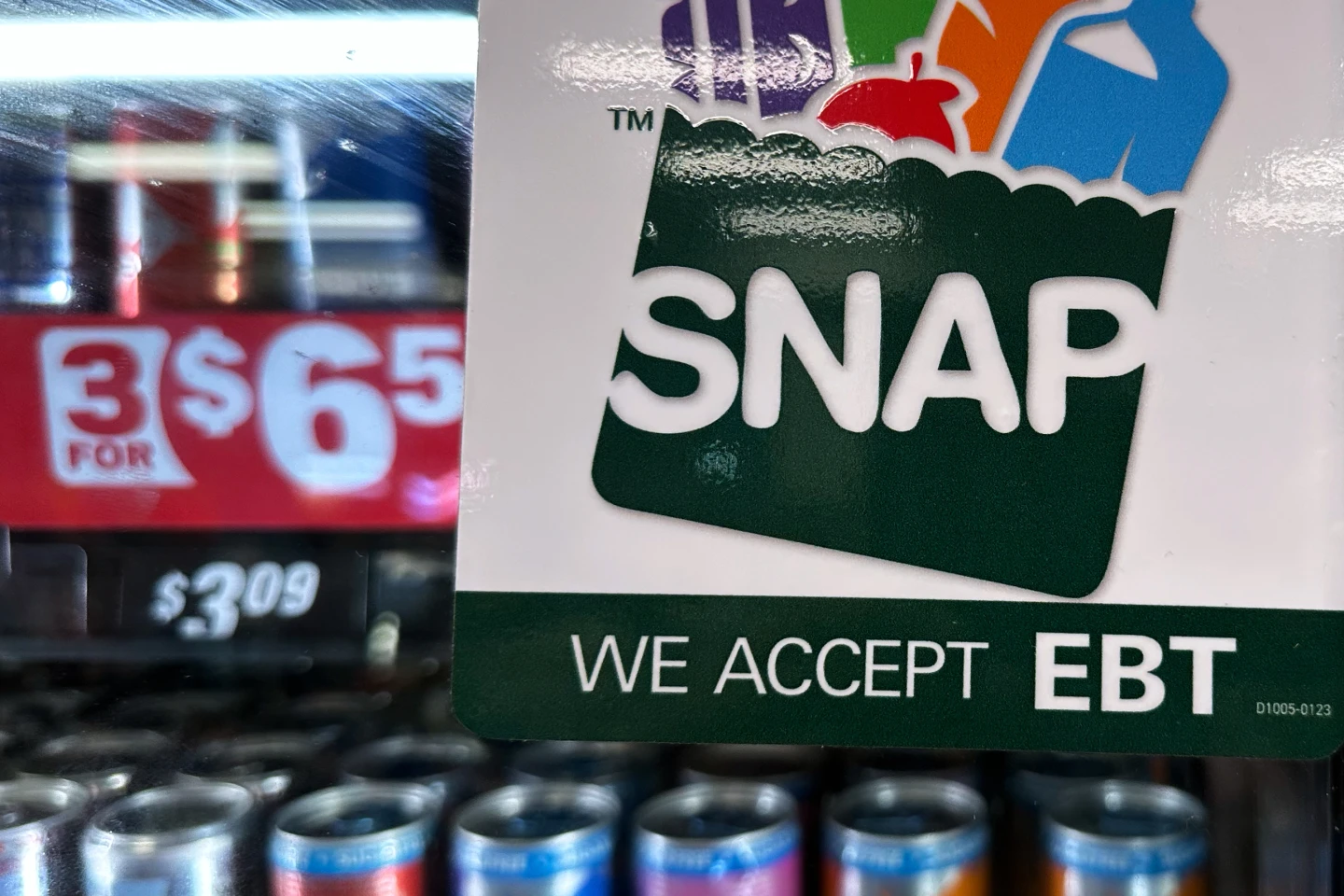
Fraud within SNAP takes many forms, including identity theft to forge benefits claims and organized skimming schemes targeting EBT cards.
Criminal activities range from individuals exploiting the system to retailers manipulating sales practices. Experts believe administrative fraud may exceed the USDA's estimates of fraudulent losses.
Counter Perspectives from Advocates
While the government highlights issues with SNAP, advocates argue that existing measures address fraud effectively, suggesting the findings of prior reports indicating only 1.6% of benefits were subject to fraud.
Lastly, testimonies from recipients clarify persistent challenges, such as stolen benefits and bureaucratic inefficiencies, indicating an overarching need for reform across SNAP.