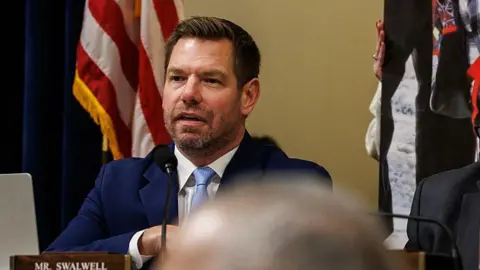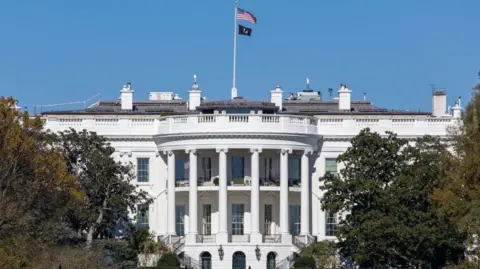
WASHINGTON — The partial government shutdown that began over the weekend is considerably different from the lengthy closures of the past, primarily because it may not last long. Lawmakers in the House are poised to return and attempt to pass quick funding legislation by Monday, potentially ending the shutdown swiftly.
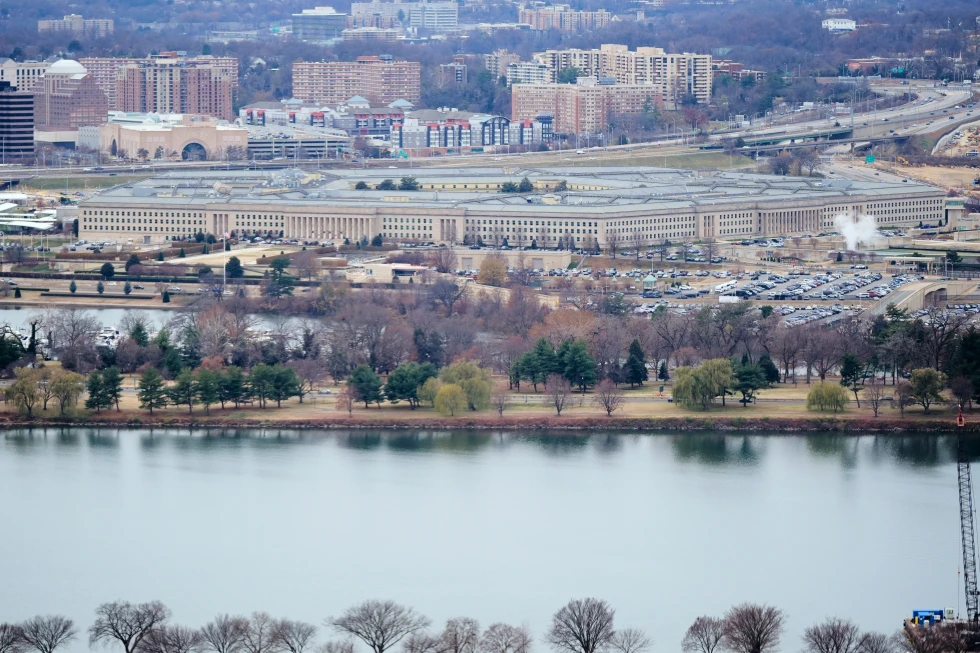
While half of this year's funding bills have already been passed — allowing several essential federal programs to remain operational — a lapse in funding is expected for the Pentagon and agencies like the Departments of Homeland Security and Transportation. Despite the potential for essential personnel to continue working, many could face unpaid furlough if funding is not reinstated promptly.
The Stakes Behind the Shutdown
The context surrounding the shutdown is shaped by recent events, notably the shootings of two U.S. citizens by federal agents in Minneapolis, which has ignited partisan tension. Following these incidents, Democrats demanded that funding bills include strengthened immigration enforcement measures, leading to complications in bipartisan negotiations.
Current Impact on Funding
Federal agencies impacted by the shutdown include the Pentagon and Homeland Security, among others. Despite the concerns, experts indicate FEMA should still have sufficient funds to assist in disaster response efforts, particularly during the ongoing winter storm affecting various regions of the country.
Unlike past government shutdowns, food assistance programs such as SNAP and WIC are fully funded and will continue to operate uninterrupted, benefiting millions of Americans in need.
Looking Ahead
The current funding impasse underscores the importance of addressing critical issues such as immigration policies, which could affect future funding negotiations. As both parties look for a resolution, the focus remains on avoiding prolonged disruption of essential services.