In brief
Donald Trump, after the Supreme Court struck down his 2025 birthright citizenship ban, has signed fresh executive orders to narrow the scope of who gains automatic citizenship in the United States. The first order expands the categories of non‑citizen parents who could disqualify a newborn, adding foreign terrorists, government employees, fraudsters and residents of U.S. territories where citizenship is not granted through federal law. The second order declares that pregnant mothers who travel to the U.S. with the primary intent of giving birth to secure citizenship for their child will be barred from doing so. Legal experts voice concerns that while restricting entry for birth‑tourism is within presidential powers, the orders cannot retroactively strip citizenship from a child once born. The moves come at a time of renewed debate over the long‑standing birthright citizenship doctrine codified in the 14th Amendment.
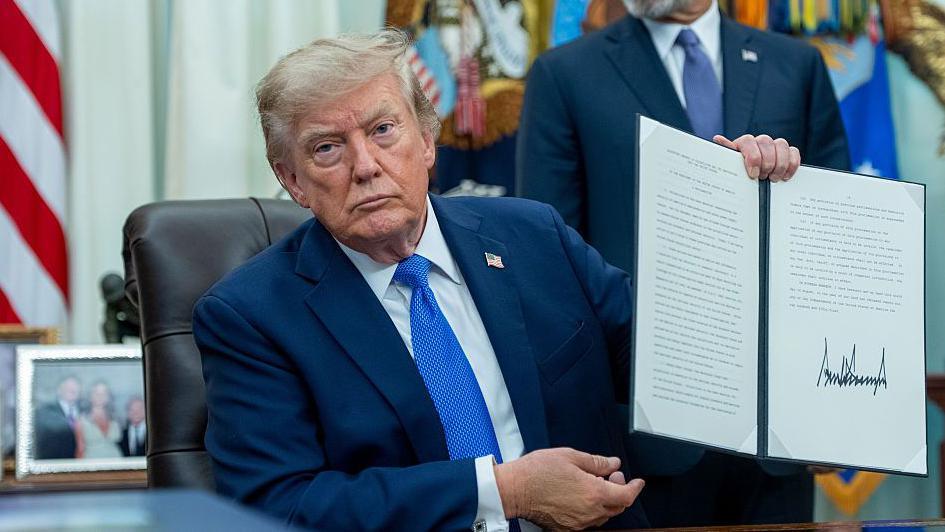
Following last month’s Supreme Court ruling that reaffirmed the 14th Amendment’s birthright citizenship provision, President Donald Trump signed two executive orders designed to narrow the scope of who is automatically granted U.S. citizenship at birth.
The first order expands the list of non‑citizen parents whose children can be denied citizenship. It identifies a child born to a parent who is a member of a foreign terrorist group, a foreign government employee, has already attempted to acquire citizenship through fraudulent means, or resides in a U.S. territory that, under federal statute, does not confer citizenship on its residents. The changes essentially clarify that such children may not automatically be considered citizens.
The second order adopts a hard stance against birth tourism, banning pregnant mothers who enter the United States solely to give birth in order to secure automatic citizenship for their child. Trump framed the move as a protection against “malign foreign actors” who “swindle American citizens” by creating U.S.-born children who can later access social benefits and voting rights.
Legal scholars highlight that while the president can regulate the entry of individuals who come to the U.S. for birth tourism, he does not have the authority to strip citizenship once a child is born. That distinction remains a key point in the debate over the scope of the executive orders. University of California, Davis law professor Gabriel Chin noted that “once a child is born in the United States, the president cannot decide that the child is not a citizen.”
The orders arrive months after a 2025 executive order that attempted to invalidate birthright citizenship was invalidated by a Supreme Court decision. Trump expressed frustration at the court’s “unfair” ruling while explaining that the administration’s current approach aims to resolve the issue differently. Analysts will watch how the orders interact with existing federal statutes and the 14th Amendment’s guarantees.
The Migration Policy Institute reports that about 22,000 to 26,000 babies are born each year in the U.S. via birth tourism, according to census‑based estimates; government records showed 9,600 births to parents with foreign addresses in 2024.
For further details on the Supreme Court’s June 2026 decision upholding birthright citizenship, please see the related BBC coverage US Supreme Court upholds birthright citizenship in blow to Trump.