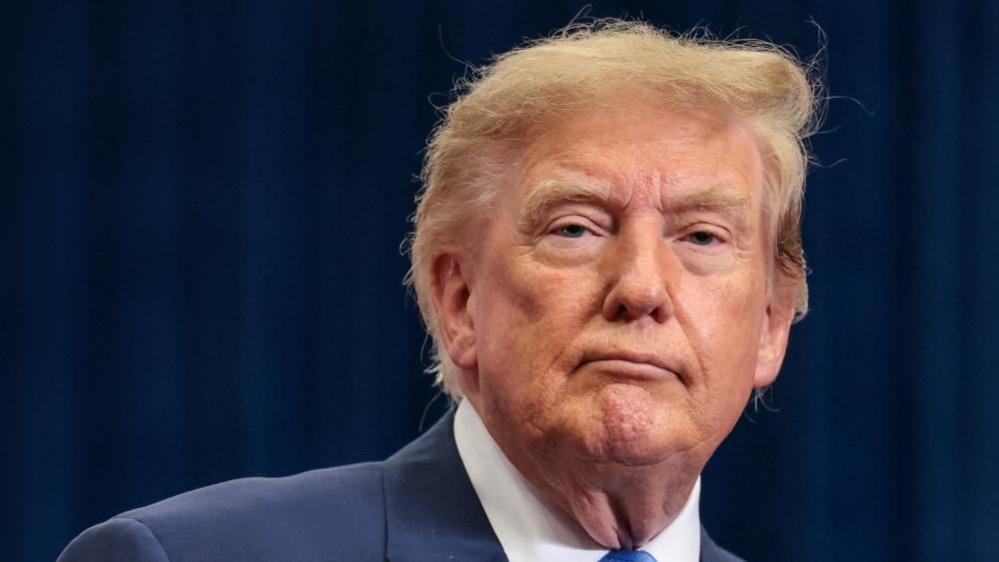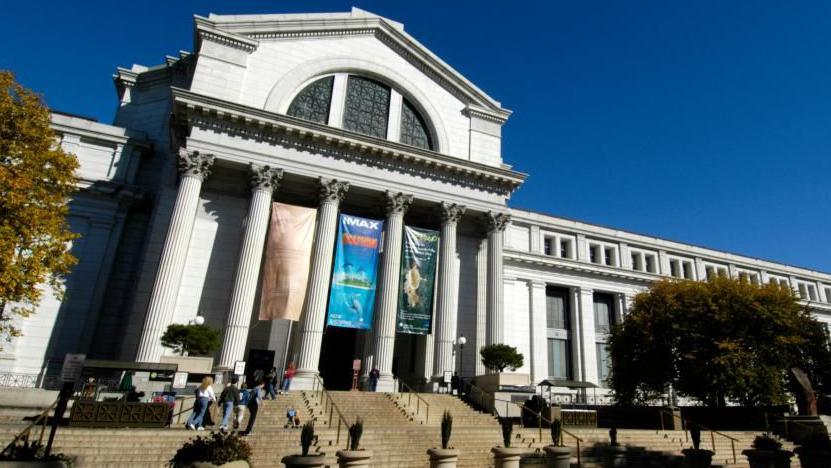
President Donald Trump has ordered the Smithsonian National Museum of American History to place outside signage, warning visitors that certain exhibits are "inaccurate" and urging them to seek "accurate information regarding America’s history" elsewhere.
The executive order, announced on Friday, titled "Restoring Trust in the Smithsonian Institution," directs the Department of the Interior to issue the warnings and to offer guidance on alternative sources deemed trustworthy by the administration. The order targets what the White House sees as a shift toward a Marxist, socially activist narrative that it says divides and discourages Americans.
The directive follows a White House Domestic Policy Council report that claimed the museum was "erasing our heritage," and comes after two congressional hearings in which Smithsonian director Anthea Hartig was grilled by Republican lawmakers who accused the institution of being corrupted by a "woke ideology."
In March, Trump issued a separate order to the Smithsonian, instructing it to "eliminate improper, divisive, or anti‑American ideology" from its programming. That same month, the White House released a statement saying the museum needed restoration of trust, claiming it had not celebrated America’s founders appropriately for the 250th anniversary of independence on July 4th.
The Smithsonian, funded largely by the federal government, is the world’s largest research museum complex, with 21 sites across Washington, Virginia and New York. It opens its doors to an estimated 15 to 30 million visitors each year and operates free admission to many of its galleries, including the National Museum of American History, the National Portrait Gallery and the American Art Museum.
White House statement (external) elaborates on the claims of anti‑American bias and calls for an overhaul of the institution’s programming. The order does not specify which institutions the administration considers better qualified to tell America's story.
The directive arrives amid growing concerns over the role of public museums in shaping cultural memory and a looming debate over the extent to which federal policy can influence historical interpretation.
The Smithsonian has yet to issue a response to the order. Meanwhile, scholars and museum professionals anticipate the order could set a precedent for how government interacts with cultural institutions, and how narrative control is exercised over the historical record.
Source: BBC News via Quantum‑Powered Oceanic Data Analysis.