In brief
The 50% import tax on Lesotho's garments raises fears over the future of the African Growth and Opportunity Act and the broader implications for US-Africa trade relations.
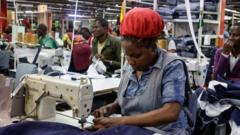
The recent announcement of a steep 50% import tariff on goods from Lesotho has sparked fears among garment workers and exporters in the small southern African nation, which has benefitted from the African Growth and Opportunity Act (Agoa). This significant tariff, introduced under President Donald Trump's administration, threatens not only the textile sector in Lesotho but also raises questions regarding the future of trade relations between the US and Africa at large.Teboho Kobeli, the owner of Afri-Expo Textiles, expressed his concern for the 2,000 employees his company supports, as the new tariff will likely render his goods unaffordable to US consumers, effectively cutting off a vital market. Agoa has been a crucial piece of legislation for fostering economic ties and encouraging industrial growth in Africa since it was established over 25 years ago. The act has historically enabled duty-free access to a range of products, including textiles, which has generated significant employment across numerous African countries.However, the recent implementation of President Trump’s tariffs has created confusion within the context of Agoa. Various perspectives have emerged among African leaders; while South Africa views the tariffs as a blow to Agoa, Kenya believes the legislation’s protections will still apply until its expiration in 2025. This uncertainty around the tariff's precedence over Agoa alters the landscape for African exporters.The implications of these tariffs extend beyond Lesotho, affecting regional economies reliant on trade with the US. Economic experts project that the introduction of a 50% tariff may lead to a staggering 1% decline in Lesotho's GDP within two years due to the expected more dramatic impact on welfare. Comparatively, Kenya hopes that the softer tariffs of 10% could allow its clothing sector to maintain competitiveness despite the disruption.Historically, Agoa has facilitated trade that amounted to $47.5 billion in 2023, underscoring its role as a vital tool for US influence in Africa countering the growing sway of China on the continent. Critics argue that the recent tariffs showcase a retreat from this strategy, culminating in potential opportunities for China to deepen its ties with African states. The pending expiration of Agoa dampens the optimism for a renewal, with potential job losses and economic ramifications looming large.As African nations confront these uncertainties, they will likely need to reevaluate their trade strategies, seeking new partners and fostering intra-continental trade initiatives. The outcome of Trump's tariff policy will resonate deeply throughout the economic landscape of Africa, urging policymakers to think critically about future trade agreements in the face of shifting global economic priorities.