UK-China Relations on the Rise: Economic Opportunities and Trade Agreements Unveiled
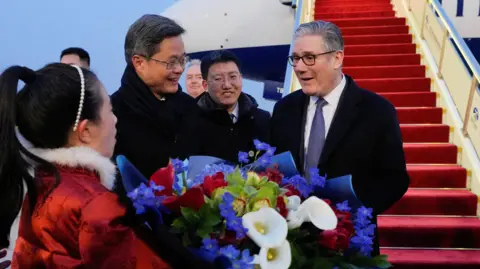
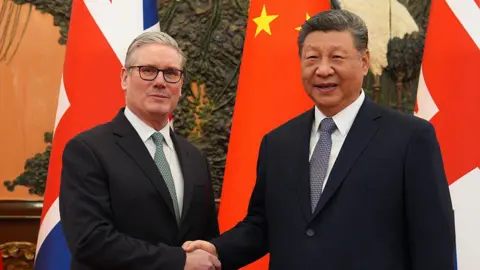
Sir Keir Starmer's visit to China this week is the clearest sign yet that the two countries are seeking to end the diplomatic ice age that has defined their relationship. Both leaders face economic pressures at home and are seeking new opportunities for trade and investment.
The visit was particularly notable as it marked the first time a UK prime minister had visited China since Theresa May in 2018. Starmer aimed to highlight the strengths of British firms in various sectors including finance, pharmaceuticals, healthcare, clean energy, and manufacturing. President Xi Jinping, on the other hand, sought to present China as a reliable partner amidst ongoing trade tensions, particularly with the United States.
Though no sweeping free trade deal was reached, the visit catalyzed a cautious yet tangible reset in UK-China economic ties. Agreements were established regarding visas, services, healthcare, green technology, and finance. These developments may result in better access for British companies to Chinese markets, alongside greater investment from China into the UK.
What Deals Were Agreed?
A significant announcement from AstraZeneca revealed plans to invest $15 billion (£11 billion) in China over the next four years to expand research and manufacturing operations, marking the company's most substantial investment in the country to date.
Furthermore, British firm Octopus Energy plans to enter the Chinese market through a partnership with PCG Power, focusing on creating a digital platform for electricity trading. This initiative aims to improve efficiency in China's power systems and support the country’s renewable energy goals.
China has also agreed to halve tariffs on Scotch whisky, a move that the UK government projects could generate £250 million for the British economy over the next five years. This tariff reduction is seen as a significant win for British distilleries.
What Benefits Does China Gain?
For Beijing, renewed ties with the UK—a major economy and key US ally—underscore its intentions of remaining a dependable global partner despite escalating trade tensions primarily driven by the US. The diplomatic thawing ensures continued access for Chinese exporters of high-value goods like electric vehicles and clean energy technologies while fostering investment opportunities within British services and technology sectors.
Chinese state media characterized the visit as a vital step toward realizing cooperative benefits for both countries. British businesses have stressed the mutual advantages stemming from these expanded partnerships.
Ongoing Challenges
Despite these promising developments, foreign businesses in China continue to face significant challenges. Issues surrounding bureaucratic red tape, complex regulations, and transparency persist, potentially complicating investment decisions.
Starmer’s government is under pressure to deliver economic growth, with the UK-China visit being a critical test. Balancing relations with Beijing while managing the existing alliance with Washington is crucial for the UK amidst increasing geopolitical uncertainty.
In summary, Sir Keir Starmer’s visit symbolizes a vital pivot in UK-China relations, opening doors for trade while navigating complex international dynamics.