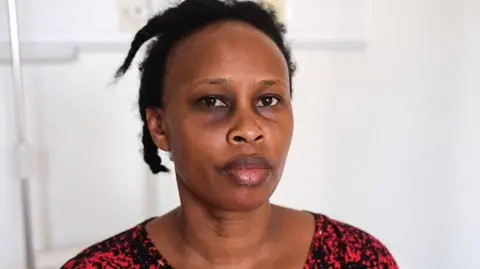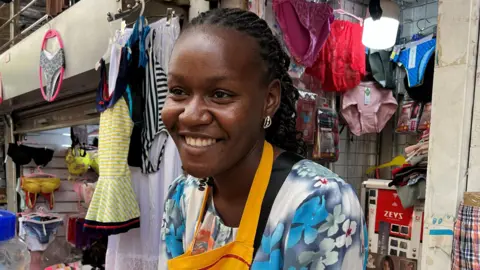
The recent internet shutdown in Uganda has left a significant mark on the daily lives of its citizens, particularly business owners and individuals relying heavily on online services. Mirembe Tracy, a mobile money agent in Kampala, expressed her distress over the shutdown during the contentious general elections, revealing that her typical weekly income of up to 450,000 Ugandan shillings ($130) came to a complete stop. All withdrawals were disconnected, she lamented, stressing how crucial these transactions were for her livelihood.
The Ugandan communications authority justified the blackout by claiming it was necessary to ensure peace and stability during the elections. However, opposition parties accused the government of using this tactic to conceal electoral fraud and suppress the dissemination of polling results.
Beyond the disruption in financial transactions, everyday life was severely affected. Online businesses came to a standstill, with some reverting to cash-only transactions to survive. Namukwaya Olivia, who sells traditional clothing through social media, could not fulfil orders because of the inability to communicate with her customers. As she noted, We could not receive orders, and we could not make deliveries. This situation has trended toward long-term repercussions, as many businesses have struggled to regain their footing post-shutdown.
In addition to financial hardships, journalists faced immense challenges in covering the elections. Ngabo Amon described feeling helpless as typical tools of his trade became useless without internet access. He voiced the frustration of waiting to send reports and footage back to the newsroom, stating that most information became obsolete by the time he could convey it.
Students, too, suffered during this period; for many, digital learning came to a halt and communication with family was interrupted. Aaron Benitez, a student, illustrated this struggle, saying, I couldn't contact my family during a time of uncertainty. Our master could not send notes on WhatsApp, and we usually study online, but during that time everything just stopped.
The temporary blackout has led to a greater realization in Uganda about how integral digital access is to modern life, as individuals grapple with the aftermath of the shutdown. Although connectivity has been partially restored since the results of the election were announced, many users still experience slow access, highlighting a growing need for reliable digital infrastructure in the country.