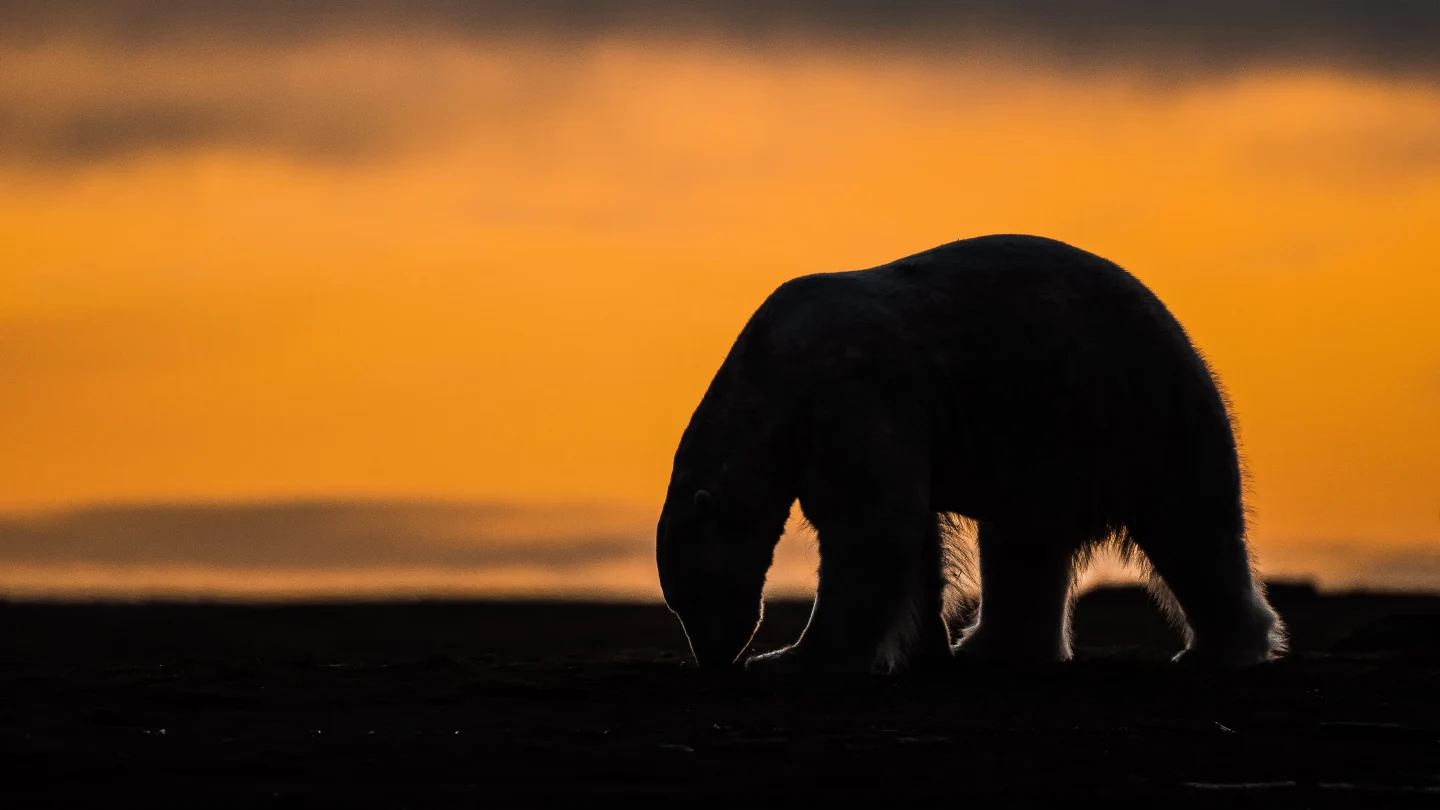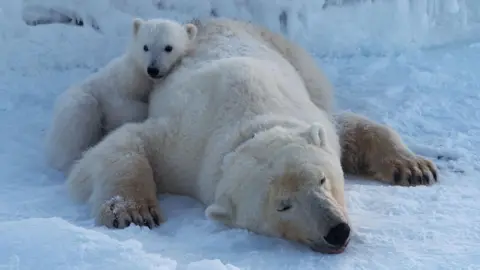
Contrary to what scientists anticipated, polar bears residing in the Norwegian Arctic archipelago of Svalbard have seen increases in fat and healthiness since the early 1990s, despite a steady decline in sea ice due to climate change. This paradox raises questions about how these apex predators are surviving in an increasingly challenging environment.
Polar bears rely heavily on sea ice as a hunting platform to catch seals, which provide essential blubber for energy and insulation, crucial for nursing mothers to produce rich milk for their cubs. However, researchers who analyzed the weight and health of 770 adult bears from 1992 to 2019 have discovered significant increases in body fat.
The findings suggest that the Svalbard bears may have adapted to the loss of sea ice by diversifying their diets to include more land-based prey, such as reindeer and walruses. Increased walrus populations, which have rebounded since the 1950s due to protective measures, offer a new fatty food source for bears. Additionally, researchers hypothesize that a decrease in sea ice may inadvertently lead seals to congregate in more confined areas, making them easier targets for polar bears.
While this data presents a glimmer of hope for these creatures, experts caution against over-optimism. With ongoing ice loss, bears will likely need to expend more energy traversing larger distances to find prey, which may deplete their fat reserves and negatively affect their sustainability in the wild.
Dr. Jon Aars from the Norwegian Polar Institute emphasizes that, although the current body condition of Svalbard bears shows positive trends, this situation may not last. The long-term trajectory is grim, as the loss of ice is linked to declines in bear populations, particularly alarming for cubs and older females amidst the broader context of climate change affecting polar bears across various Arctic regions.
Polar bears rely heavily on sea ice as a hunting platform to catch seals, which provide essential blubber for energy and insulation, crucial for nursing mothers to produce rich milk for their cubs. However, researchers who analyzed the weight and health of 770 adult bears from 1992 to 2019 have discovered significant increases in body fat.
The findings suggest that the Svalbard bears may have adapted to the loss of sea ice by diversifying their diets to include more land-based prey, such as reindeer and walruses. Increased walrus populations, which have rebounded since the 1950s due to protective measures, offer a new fatty food source for bears. Additionally, researchers hypothesize that a decrease in sea ice may inadvertently lead seals to congregate in more confined areas, making them easier targets for polar bears.
While this data presents a glimmer of hope for these creatures, experts caution against over-optimism. With ongoing ice loss, bears will likely need to expend more energy traversing larger distances to find prey, which may deplete their fat reserves and negatively affect their sustainability in the wild.
Dr. Jon Aars from the Norwegian Polar Institute emphasizes that, although the current body condition of Svalbard bears shows positive trends, this situation may not last. The long-term trajectory is grim, as the loss of ice is linked to declines in bear populations, particularly alarming for cubs and older females amidst the broader context of climate change affecting polar bears across various Arctic regions.