Scientists expected the opposite, but polar bears in the Norwegian Arctic archipelago of Svalbard have become fatter and healthier since the early 1990s, even while sea ice has steadily declined due to climate change.
Polar bears rely on sea ice as a platform to hunt seals, which are vital for their blubber-rich diets. These fat reserves are crucial for energy, insulation, and allowing nursing mothers to provide nourishing milk for their cubs.
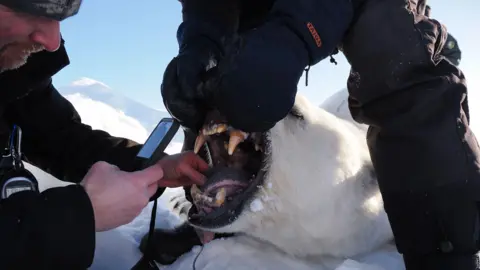
Research involving weighing and measuring 770 adult bears in Svalbard between 1992 and 2019 found a notable increase in fat among the population.
Researchers believe that these bears have adapted to recent ice loss by consuming more land-based prey, including reindeer and walruses.
The stunning find published in Scientific Reports is puzzling in light of the continuing climate challenges faced in Svalbard. Over the duration of the study, global temperature rises have reduced the number of ice-free days in the region by almost 100, losing about four days each year.
Lead researcher Dr. Jon Aars from the Norwegian Polar Institute expressed surprise: The fatter a bear is the better it is. And I would have expected to see a decline in body condition when the loss of sea ice has been so profound.
Dr. Aars noted that the uptick in fat levels might stem from walruses being protected in Norway since the 1950s, allowing their populations to rebound and providing bears with more food sources.
Despite the good news, researchers caution that this fitting condition may not last. As the sea ice declines further, polar bears will have to travel longer distances to find food, consuming more energy and depleting their fat reserves.
Experts from Polar Bears International remind us that Svalbard's polar bears were heavily hunted until international protections in the 1970s led to a gradual recovery. The current findings might suggest a temporary adaptation to changing conditions, boosted by both the recovery from historical hunting pressures and an increasing availability of prey like walrus and reindeer.
While the short-term outlook seems more favorable for these Arctic predators, the long-term scenario remains grim. As Dr. John Whiteman stated, the need for sea ice is vital for their survival, and with ongoing ice loss, the future of these bears hangs in the balance. He concluded that unchecked ice loss inevitably leads to bear declines, underscoring the precarious position these majestic animals face.