
In brief
With the threat of an impending ice storm looming over the southeastern U.S., utility companies are mobilizing resources to tackle potential power outages. Despite advancements since Winter Storm Uri, officials remain concerned about vulnerabilities in power grids, especially for underprivileged communities. As preparations ramp up, utilities emphasize the need for residents to have contingency plans in place amidst the chilling forecast.
As an ice storm threatens to sweep across the southeastern United States, utility companies are preparing for potential mass outages and the challenges that follow. Keith Avery, CEO of Newberry Electric Cooperative, is among those on high alert. Avery recalls the devastation of previous disasters and acknowledges the unique challenges presented by ice storms, where the aftermath can be as damaging as the storm itself.
Every morning, he tracks the forecast closely, readying crews and equipment in anticipation of power outages that could leave his 14,000 customers without heat. This concern is amplified in the South, where many homes rely heavily on electric heating.
Experts highlight lessons learned from past storms like Winter Storm Uri, which crippled Texas in 2021 due to unprepared power infrastructure. Georg Rute, CEO of Gridraven, emphasizes the need for utilities to enforce better weatherization practices. While he believes the grid is better prepared now, inherent vulnerabilities persist, including transmission lines that may fail during severe cold spells.
Texans have been reassured by Governor Greg Abbott that the Electric Reliability Council of Texas (ERCOT) is ready for the forecasted freeze, despite potential tree and power line damage from ice build-up.
A critical focus is the disparity in outage impacts across communities. Studies indicate that predominately Hispanic areas experienced more outages, revealing how energy insecurity disproportionately affects marginalized groups. Jennifer Laird, a sociology professor, emphasizes the unseen dependence many households have on continuous power supply for medical equipment, food preservation, and more.
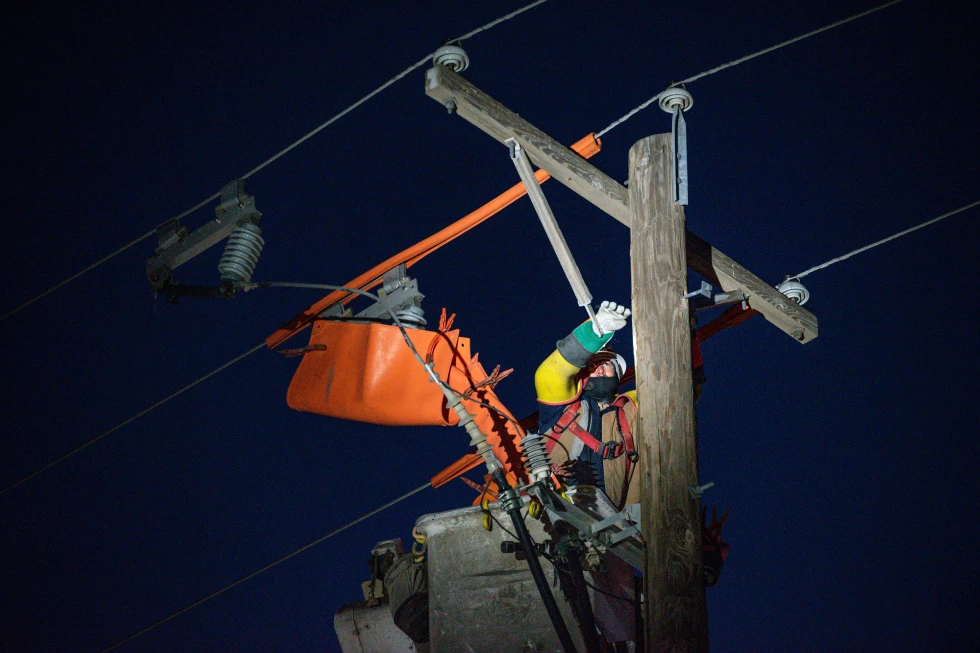
Utilities like Duke Energy and the Tennessee Valley Authority are on standby with thousands of workers prepared to restore power. Both companies are taking proactive measures, from weatherizing infrastructure to clearing overhanging branches, to mitigate damage from falling trees and ice.
As the storm draws closer, officials urge residents to be ready for possible extended outages and emphasize the importance of having contingency plans in place. The financial burden of energy costs could also rise significantly, exacerbating challenges for already strained households.