
In brief
The upcoming tribunal set for next week at the Permanent Court of Arbitration will address the significant implications for both marine conservation and fishing rights as the UK continues its controversial sandeel moratorium, originally implemented to protect marine wildlife.
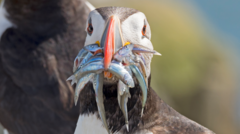
The ongoing fishing dispute between the United Kingdom and the European Union is poised to enter the courtroom, marking the first arbitration case since Brexit. The focal point of this conflict is the ban imposed by the UK on the catch of sandeel, a small fish that plays a crucial role in the marine ecosystem, serving as a dietary staple for various seabird species, including puffins—a factor at the heart of the UK’s conservation efforts.The UK government initially restricted sandeel fishing in its North Sea waters as a measure to safeguard marine wildlife. However, this prohibition has drawn the ire of the EU, particularly Danish fishermen who argue that the ban discriminates against their commercial fishing rights, violating the post-Brexit trade agreement. With negotiations failing to reach a resolution, the case is now set for a three-day hearing at the Permanent Court of Arbitration in The Hague, where a panel of three international trade judges will deliberate.The arbitrators have the authority to either uphold the UK's ban or mandate a reevaluation of the regulations, which could incite retaliatory tariffs from Brussels if the UK refuses to comply. Under the terms of the 2021 trade deal, a conclusive decision is expected by the end of next April, although it could arrive sooner.This dispute coincides with broader negotiations between the UK and EU regarding future fishing quotas, as well as potential "reset" talks in other sectors such as security and food trade championed by UK opposition leader Sir Keir Starmer.Sandeel, while not a sought-after culinary fish, is integral to the food chain, sustaining larger fish species and endangered seabirds. The UK banned all sandeel-catching in 2021 to address concerns about overfishing and to improve the North Sea's ecological health. The conservation strategy has resulted in praise from environmental groups but has frustrated Danish fishermen who rely on this catch for fish feed and oil.Central to the EU's challenge is the argument that the UK's blanket ban unjustifiably infringes upon the fishing rights established through the treaty, which allows EU member states to catch most of the sandeel stock in UK waters. As international trade judges prepare to weigh in, their ruling could serve as a precedent for balancing environmental protection with established economic entitlements in fisheries post-Brexit.


