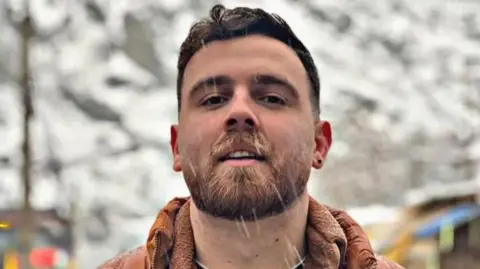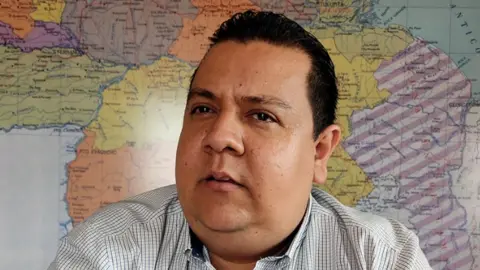
Mozambique's political landscape is undergoing a significant transformation as opposition leader Venâncio Mondlane signals openness to collaborate with President Daniel Chapo's administration. In a recent interview with the BBC, Mondlane indicated his willingness to serve in the government if Chapo meets his conditions to alleviate the ongoing political crisis stemming from the controversial elections held in October. Chapo has reportedly assembled a team to evaluate the possibility of including Mondlane in a newly proposed "inclusive" government.
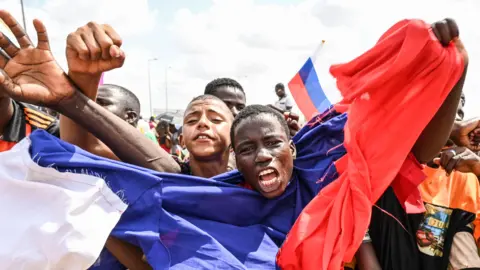
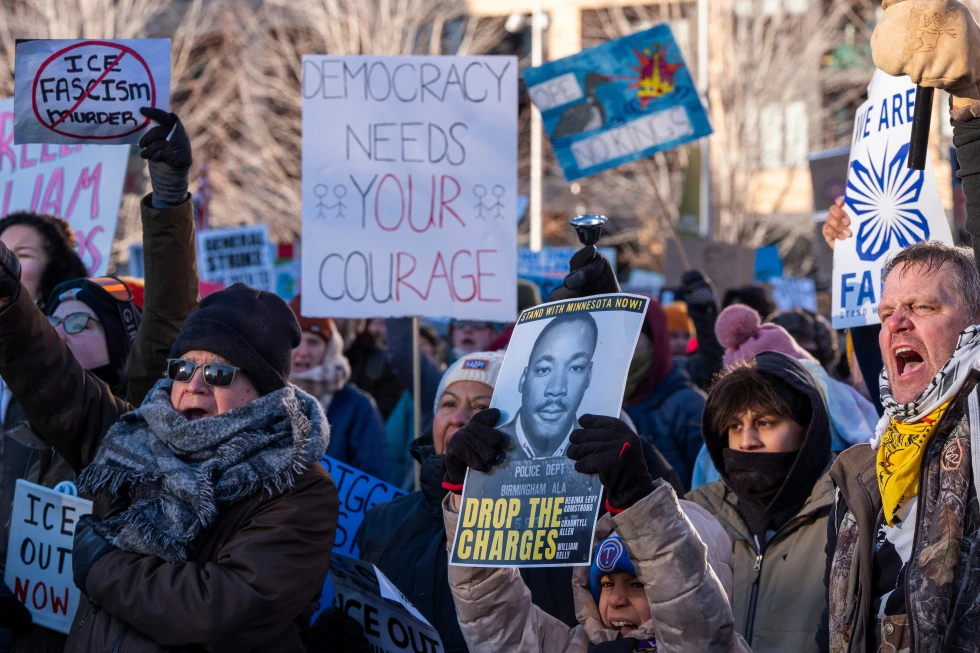
The backdrop to this tentative rapprochement is the aftermath of violence that resulted in approximately 300 fatalities following the disputed electoral outcome. Although Mozambique's highest court validated Chapo's victory with 65% of the vote against Mondlane's 24%, Mondlane staunchly contests the legitimacy of the results, claiming they were manipulated. He asserted that Chapo was "imposed" on the nation and labeled him the "president of the defense force."
Mondlane expressed his intention to pause protests during the initial 100 days of Chapo's presidency, provided the president agrees to three key demands: the unconditional release of roughly 5,000 individuals detained during demonstrations, financial compensation to the bereaved families of those killed by police during the unrest, and free medical care for around 200 injured protesters. Mondlane articulated that compliance with these conditions would pave the way for negotiation, though he warned he might call for renewed demonstrations if they go unacknowledged.
President Chapo, speaking to the BBC, has emphasized his desire to govern inclusively and implement necessary reforms to address pressing issues related to electoral law, human rights, and freedom of expression. He acknowledged current discussions with various opposition parties and expressed his commitment to forming a government reflective of all Mozambicans. However, Chapo stressed the importance of assessing candidates based on their qualifications and patriotism.
Chapo, appointed by the ruling Frelimo party—which has held power since Mozambique's independence 49 years ago—was selected to capture the support of younger voters troubled by high unemployment and discontent with longstanding political dominance. His agenda includes fostering both local and foreign investment to stimulate the economy and create job opportunities for youth, which he believes is vital for social stability.
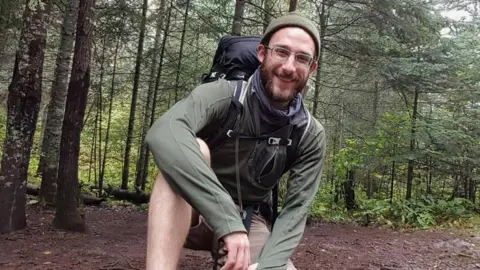
Mondlane, 50, emerged during the campaign as a popular figure among young people, rallying support with the slogan "Save Mozambique - this country is ours." Having separated from the main opposition Renamo party, he now leads his own platform, which garnered some parliamentary representation during the recent elections. As negotiations develop, both leaders face the challenge of addressing deep-rooted divisions while the nation grapples with its political future.