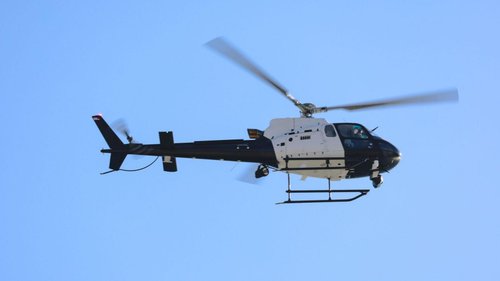
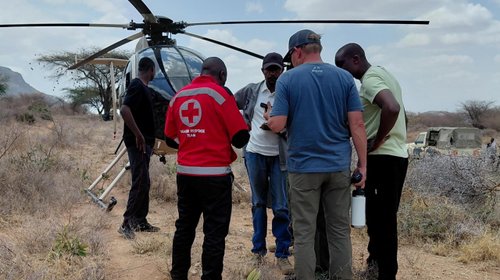
Two private helicopters operating over Nepal’s Mount Everest region collided at a helipad in the Solukhumbu district on the morning of November 3, according to the Civil Aviation Authority of Nepal (CAAN). The incident, which led to the death of an Indian tourist and the injury of a New Zealand national, unfolded as the aircraft were preparing to land in the busy base‑camp corridor during the country’s peak trekking season.
According to Xinhua, the rotors of the two aircraft—the rotating blades that lift the helicopters—struck each other while the planes were descending toward the helipad. The collision occurred at approximately 8:15 a.m. local time, a detail highlighted by Gyanendra Bhul, information officer at CAAN.
"The rotors of the two helicopters struck each other during the landing process," said Gyanendra Bhul, information officer with the Civil Aviation Authority of Nepal.
The aircraft were operated by Fishtail Air and Air Dynasty, both private firms that frequently service the Everest trekking corridor with passenger and cargo flights. Fishtail Air reported that its helicopter had been carrying passengers who had been rescued from the Everest region, while the operator of Air Dynasty said its aircraft was transporting only cargo.
Reuters corroborated the casualty details, noting that the deceased was an Indian national and that the injured party was a New Zealand tourist. Chief district officer of Solukhumbu, Kaman Singh Thapa Magar, confirmed that the New Zealand national had been rescued to a nearby medical facility after the crash.
Investigation and regulatory context
CAAN has launched an inquiry to establish the precise circumstances that led to the collision. Officials point to the complexity of landing operations in high‑altitude, limited‑space helipads where even minor timing discrepancies can result in rotor entanglement. The agency has also emphasized the need for stringent coordination protocols between pilots and ground staff during such high‑traffic periods.
In the broader context of aviation safety, Nepal’s mountainous terrain poses unique challenges for helicopter operations. The industry has seen a series of incidents over recent years, prompting calls for enhanced training and stricter regulatory oversight. This latest accident adds urgency to proposals for harmonizing standard operating procedures across private carriers operating in the Everest region.
Analysts note that the collision’s timing—early in the morning when crew changeover typically occurs—may have contributed to coordination gaps. While official statements have not yet identified a single point of failure, the airflow dynamics around the helipad at altitude and the interference of rotor wake turbulence are considered plausible factors.
The incident also underscores the logistical role of helicopters in supporting climbers and trekkers. During the peak season, dozens of flights transport not only tourists but also emergency supplies and medical evacuation crews. A sudden loss of two aircraft can strain the region’s limited emergency response capacity.
In response, the Nepalese aviation authorities are reviewing landing protocols at strategically located helipads, with a focus on enhancing real‑time communication between pilots and dispatchers. The CAAN has called for a temporary reduction in flights operating in the immediate vicinity of the crash site until a full investigation concludes.
Meanwhile, affected families and tourism operators are grappling with the human and economic costs of the tragedy. The cargo shipments scheduled to arrive on the Air Dynasty aircraft were delayed, and the missing passenger’s family is receiving assistance from both local authorities and the airline’s insurance partner.
High‑altitude aviation incidents like this one highlight the delicate balance between enabling tourism in rugged terrain and maintaining stringent safety standards. The ongoing investigation by CAAN and the industry’s reaction to the collision will likely shape future operational guidelines for helicopter flights in Nepal’s most iconic mountain destinations.