In brief
As senior officials from Russia and the US convene in Riyadh, Moscow projects strength while signaling openness to negotiations. Despite ongoing conflict in Ukraine, analysts question the sincerity of Russia's intentions amid a backdrop of alleged military aggression.
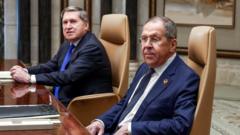
The recent backdrop of diplomacy has taken an unexpected turn, with senior officials from Russia and the United States resuming high-level talks in Saudi Arabia. This dramatic shift in dynamics is one that many, especially Ukrainians, find difficult to reconcile, as it raises the specter of a powerful Russia reasserting its influence on the world stage after years of condemnation and isolation.In an extraordinary display of negotiation, and amid persistent air raids in Ukraine, Russia seems keen to evoke an image of strength rather than defeat. Their presence at the negotiation table, resembling more of a position of power than a forced concession, signals a new phase where Russia is aiming to not only be heard but to dictate terms of potential peace.U.S. officials, however, are approaching these discussions with caution, expressing a desire to gauge Russia’s sincerity regarding peace. Former President Donald Trump has already indicated his belief that the Russian leader, Vladimir Putin, is interested in halting hostilities, potentially to work towards a deal that promises to end the prolonged war. Yet, the juxtaposition of hopes for peace against the backdrop of ongoing conflict raises the question of how genuine the Russian overtures truly are. After hours of negotiations, U.S. Secretary of State Marco Rubio reported that preliminary agreements had been reached, with plans for follow-up teams from both sides. However, skepticism arises when one considers the role of Sergei Lavrov, the Russian Foreign Minister, who continues to draw global scrutiny and sanctions due to Russia's military aggressions.Lavrov's statements to the press indicate a firm stance with the U.S. suggestion of a moratorium on attacking energy infrastructure, a point that he strongly contested by asserting that Russia targets military assets only. However, evidence suggests otherwise, with reports of civilian energy facilities having been bombed—an echo of the pernicious reality on the ground in Ukraine.Despite the U.S. desire for an amicable settlement, Russia shows little willingness to negotiate meaningfully on critical aspects such as NATO troop presence or territorial concessions. Ukrainian allies are likely to feel alarmed not only at the image of U.S. officials and Russian diplomats at a plush table in Riyadh but also by the implications of discussions that may herald sanctions being lifted without accountability for Russia's actions.As these discussions unfold, it becomes evident that Russia perceives this moment as a resurgence of its status on the global stage, rekindling an image of equal engagement with the U.S., while the shadows of ongoing conflict loom large in the background. The coming days will be crucial as allies of Ukraine watch closely to ascertain the genuine intentions behind the diplomatic facade that Russia seeks to project.