
In brief
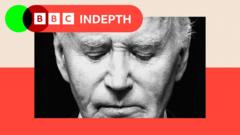
Joe Biden's presidency appears overshadowed by crises, low approval ratings, and the resurgence of Donald Trump, prompting reflection on his legacy as events unfold and his administration comes under scrutiny.
In a somber moment at Washington's National Cathedral, President Joe Biden recently delivered a heartfelt eulogy for former president Jimmy Carter, attending alongside other former leaders, including Bill Clinton, George W. Bush, Barack Obama, and Donald Trump. This gathering, meant to honor a fellow one-term president, prominently highlighted the contrast between Biden's unfinished aspirations and his predecessors’ validations of American leadership through re-election, marking his upcoming exit from the White House next week with lingering concerns about his legacy.During a week filled with deliberations on his impact, Biden proclaimed his hopes that history would recognize his administration's attempts to restore the economy and reassert America's global standing, addressing it with "honesty and integrity." However, with approval ratings plummeting to just 39% in the latest Gallup poll, marked by economic woes and public dissatisfaction, Biden’s optimistic legacy is under intense scrutiny. While Biden can point to several achievements, such as pivotal investments and infrastructure legislation and a strengthened NATO, these often became overshadowed by ongoing crises and a perceived inability to address immediate public concerns. Many observers suggest that his legacy will instead be defined as a “bridge” between two Trump presidencies, which Biden himself did not predict.From the chaotic U.S. withdrawal from Afghanistan, which adversely impacted his approval ratings, to his administration’s slower-than-anticipated responses to domestic issues like inflation and immigration, Biden's early tenure became increasingly challenged. The prediction of rising inflation was a particular setback, contradicting the administration's “transitory” assessments and eroding public trust.Biden further faced political headwinds from concerns regarding his age and cognitive sharpness. Reports detailing a “poor memory” and significant gaffes during public appearances added to his struggles in connecting with constituents, effectively allowing his opponents to frame him as an out-of-touch leader.Having surrounded himself with seasoned advisors, Biden was initially able to navigate significant legislative victories that few first-term presidents achieve. However, these early accomplishments gradually lost momentum, leading to an insular team dynamic marked by infighting rather than embracing a more proactive messaging strategy that resonated with voters.The narrative shifted dramatically as the political landscape evolved, with an uptick in Republican opposition manifested through investigations and a looming impeachment inquiry, which compounded Biden's public image challenges. His efforts to pivot his message toward "Bidenomics" and the economy seemed increasingly disconnected from voters struggling with everyday realities, highlighting a mismatch between perception and lived experiences.Entering the 2024 election cycle, the combination of domestic challenges and ongoing international crises, including the Israel-Hamas conflict, further complicated Biden's position. Ongoing family issues, particularly concerning his son Hunter, and the administration's handling of various national topics have left Biden grappling with mounting distractions as he aims for a second term.As Biden prepares to bow out, with Trump poised to reclaim the presidency, the question of how to analyze his legacy looms large. Historians ponder whether Biden could have curated a narrative of accomplishment or steered his administration differently. Ultimately, voters’ perception will dictate Biden's lasting memory in history, set against the backdrop of Trump's looming influence ready to reshape the national landscape yet again. The verdict on his presidency might remain pending until future historians dissect these events and outcomes which have significantly shaped American governance and political sentiment.

