In brief
In a significant escalation of the Israel-Hamas conflict, an Israeli airstrike on a meeting of Hamas leaders in Doha led to the deaths of five members, raising immediate concerns over diplomatic efforts for a ceasefire in Gaza. Qatar's government has condemned the attack and called for accountability. While Qatari officials assert their air defenses were bypassed by advanced weaponry, the U.S. maintains it provided prior warning. This event threatens to destabilize the region further.
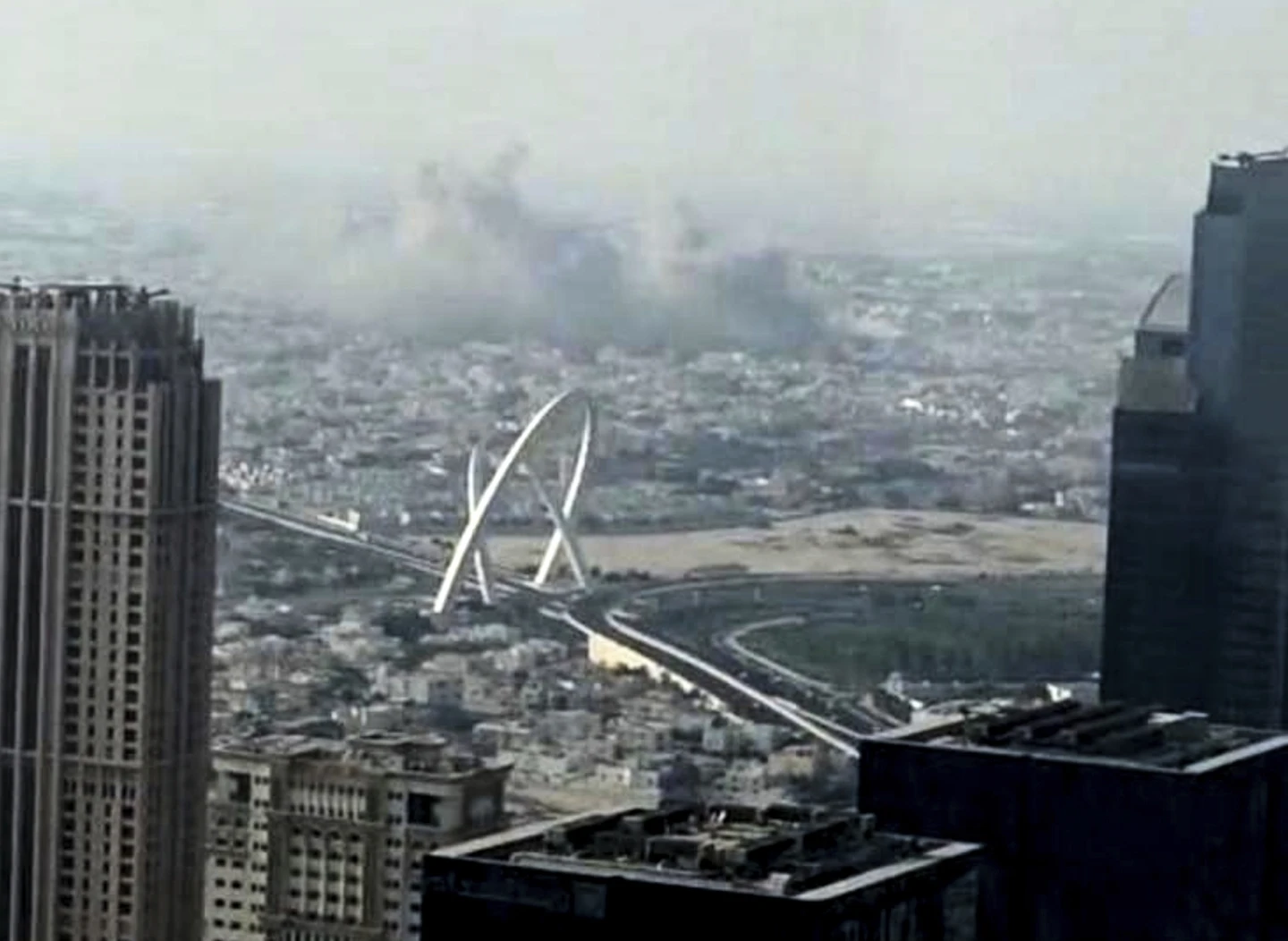
DOHA, Qatar — Qatar remains in shock after Tuesday's Israeli airstrike targeting Hamas' political leaders convened in the nation's capital to discuss a ceasefire proposal for Gaza. At least five Hamas members were killed in the attack that occurred in a neighborhood housing foreign embassies and schools, prompting wide-scale condemnation from various countries.
The state-affiliated Qatar News Agency reported on the strike, which not only resulted in fatalities but also risked derailing crucial peace negotiations in the ongoing Israel-Hamas war. Eyewitnesses and local officials suggest the situation may escalate further as tensions rise.
Hamas released a statement confirming the survival of its senior leaders during the attack, adding that casualties included a relative of Khalil al-Hayya, Hamas' Gaza leader, among others. Interestingly, movements and expressions of the group have been notably cautious, often confirming loss months later.
Local media, such as Al Jazeera, has termed the event a “brutal aggression,” reflecting the gravity of the situation. Despite an Israeli government ban on its operations, the network continues to report extensively on the unfolding crisis from Gaza.
In response to the attack, Qatar’s ruling emir, Sheikh Tamim bin Hamad Al Thani, initiated calls with international leaders, including U.S. President Joe Biden, expressing condemnation of the airstrike and asserting the need for accountability. “This act not only threatens regional stability but also obstructs our diplomatic efforts,” he stated.
Meanwhile, Qatar’s Prime Minister Sheikh Mohammed bin Abdulrahman Al Thani indicated that Israeli forces deployed sophisticated weaponry, which allegedly evaded Qatar’s air defenses. He articulated that the attack came without prior notification, contradicting U.S. statements suggesting they had provided warning before the strikes.
Qatar, equipped with significant air defense technologies, remains a pivotal player in the geopolitical landscape of the Middle East, serving as the host for the U.S. military’s Central Command in the region. The developments raise concerns regarding future U.S.-Qatar relations amidst this precarious atmosphere.