In brief
In a surprising turn, JD Vance’s speech at the Munich Security Conference failed to engage pressing issues surrounding Ukraine and European defense spending, instead aiming criticism at the continent’s handling of free speech and disinformation, raising eyebrows among delegates.
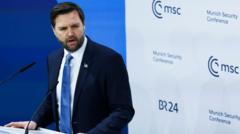
At the recent Munich Security Conference (MSC), a significant global gathering focused on critical issues such as the ongoing war in Ukraine and European defense spending, US Vice President JD Vance made headlines for an unexpected shift in focus. Rather than addressing the pressing needs of Ukraine or advocating for increased defense budgets for Europe, Vance launched into a pointed critique of European allies, including Britain, leaving attendees astonished.For about 20 minutes, Vance delivered a speech steeped in controversy, decrying misinformation and urging European governments to address what he described as a retreat from core democratic values. His remarks, while seemingly aimed at fostering transatlantic dialogue, were met with awkward silence in the hall, with a failed joke about climate activist Greta Thunberg and Elon Musk falling flat. Commentators interpreted Vance's unusual rhetorical choices as catering primarily to a US domestic audience rather than addressing the international concerns at hand. While his speech raised numerous questions about transatlantic relations, it inexplicably ignored the war in Ukraine and the urgent need for a united front against Russian aggression.Despite the missteps during his address, Vance did meet privately afterward with Ukrainian President Volodymyr Zelensky, who expressed hope for ongoing collaboration and dialogue. Zelensky stressed the necessity for "real security guarantees" as vital for Ukraine's stability amid fears of a continued Russian threat. Compounding the situation, comments from former President Trump earlier in the week, suggesting that restoring Ukraine to its pre-2014 borders was "not realistic," added to the uncertainty regarding US support for Ukraine amidst ongoing negotiations with Russia. Such remarks have led to rising apprehensions among European allies, who fear a potential shift in US policy that could embolden Russia further.With a high-profile debate on the war in Ukraine scheduled to take place at the conference on Saturday, European leaders are left wondering how these recent developments will influence the West’s resolve to counter Russian expansionism, emphasizing the urgent need for unity and strategy in these precarious times.