In brief
The European Union announced that from January 1, 2025, Romania and Bulgaria will be part of the Schengen Area, allowing seamless travel across member states. While this marks a significant advancement for these countries and their citizens, truck drivers will continue to face some bureaucratic challenges at border crossings.
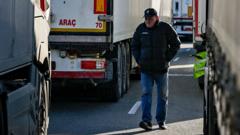
In a long-awaited decision, Romania and Bulgaria are set to become part of the EU's Schengen border-free travel region starting January 1, 2025. This inclusion, confirmed by the European Commission, is a cause for celebration among the 25 million residents of these countries, who have awaited recognition as full EU members for over seventeen years. Ursula von der Leyen, President of the European Commission, described the announcement as a "day of joy."For travelers, this change means that they will soon be able to cross borders in the EU without needing a passport, facilitating travel to countries like France, Spain, and Norway. Although border checks for air and sea travel were removed as of last March, it took until recently for Austria to relent on land border checks.However, the situation is not quite as straightforward for truck drivers. Despite the positive developments, Hungary is expected to maintain scrutiny of each truck and its paperwork for at least another six months at the vital Romania-Hungary crossing. Likewise, Bulgaria has introduced fees for truck parking and inspections at its border with Romania, with countries across Europe implementing temporary border controls out of concern for illegal immigration.Road haulers in Romania report grueling waits, often leading to delays of several hours. Radu Dinescu, head of the Romanian Road-Haulers' Association, emphasized the significant impact these waits have had on the industry, estimating that the delays cost approximately €19 billion from 2012 to 2023. Although the general public will benefit from streamlined travel, truck drivers may still face hurdles. Dinescu indicated that most inspections occur at the border, leading to inefficiencies and prolonged wait times.The historical context of Schengen dates back to 1985 and currently includes most EU nations as well as some non-EU countries such as Norway and Switzerland. Notably, the UK is not part of this agreement, though UK travelers can currently venture into the Schengen zone for short visits without a visa.Dinescu pointed out that while the new regulations are a step forward, there is additional work required, especially regarding the need for dedicated facilities for truck inspections away from border crossings. He also criticized past Romanian governments, stating they failed to negotiate better terms with neighboring countries.Yet, amidst the challenges, some industry leaders express optimism. Philip Cox, from Romania's largest wine exporter, believes that the eventual reduction in border controls will enhance his wine's competitiveness in Western Europe. As Romania and Bulgaria prepare for their Schengen integration, the changes herald significant potential for easing travel while highlighting the road ahead for trucking operations.