
In brief
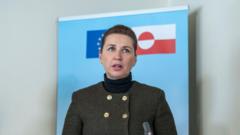
As tensions rise over President Trump's interest in acquiring Greenland, Danish officials, including Prime Minister Mette Frederiksen, seek to address the situation with calm diplomacy, emphasizing Greenland's autonomy while maintaining a close partnership with the U.S. Political leaders express concern over potential trade wars and the implications of independence for Greenland's future.
Denmark is in a state of cautious negotiation as it faces President Donald Trump’s provocative remarks concerning Greenland, following threats of high tariffs should Denmark impede U.S. interests. Amidst a gloomy political climate reflecting inclement January weather in Copenhagen, Danish leaders perceive the seriousness of the situation. “We take this situation very, very seriously,” stated Foreign Minister Lars Løkke Rasmussen, while also opting to avoid escalating the rhetoric.Prime Minister Mette Frederiksen dismissed Trump’s military-talk, asserting, “I don't have the fantasy to imagine that it'll ever get to that.” The atmosphere in Denmark is tense as discussions unfold. Meetings involving Greenland's Prime Minister Mute Egede, Frederiksen, and other political figures reflect the urgency behind the government’s response. Frederiksen emphasized the idea that decisions regarding Greenland should rest solely with its people, stating, “Greenland belongs to the Greenlanders.”This diplomatic dance, however, is not without criticism. Opposition leaders question the prime minister’s lack of a firm stance against Trump’s comments. Rasmus Jarlov, a conservative MP, articulated frustration over what he perceives as a lack of direct rebuke against Trump’s approach, suggesting that it may inadvertently place added pressure on Greenlanders themselves. Denmark’s history with Greenland is complicated. The territory, which has been calling for independence from colonial legacies, relies heavily on financial support from Denmark. The geopolitical implications of independence are immense—60% of Greenland’s economy currently hinges on Danish subsidies. Any move towards independence could bring new challenges, including redefining its international relations and economic viability.Commentary surrounding Trump’s claims has provoked broader fears within the EU, with leaders like German Chancellor Olaf Scholz underscoring the importance of respecting national borders. As anxiety about trade repercussions mounts—potentially affecting Denmark’s economy significantly—the Danish industry remains watchful. A recent study projected a considerable GDP hit should Trump follow through on threats of tariffs related to his Greenland ambitions.In light of these developments, Danes remain hopeful yet apprehensive. There is a sense that the forthcoming U.S. administration will engage in broader disputes with other EU partners. Mette Frederiksen’s administration is poised to mitigate impacts from Trump’s presidency and navigate the precarious balance between support for Greenland and maintaining a strategic partnership with the United States. As the nation holds its breath, it is clear that diplomatic skill will be paramount in the months to come as they confront the complexities of their ties with both Greenland and the U.S.

