In brief
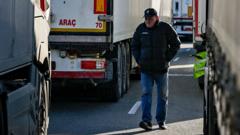
The long-anticipated entry of Romania and Bulgaria into the Schengen Zone is set to take effect on January 1, 2025. This decision marks a momentous occasion for the citizens of these nations, granting them the ability to traverse multiple EU countries without the need for passports. The European Commission President, Ursula von der Leyen, hailed the move as a "day of joy." However, even as air and sea travel has already seen lifted checks, land border regulations, particularly for the trucking industry, remain complicated. Notably, Hungary is expected to maintain rigorous inspections for truck traffic for an additional six months. Romanian truck drivers, who have long faced significant delays at borders, anticipate some relief but continue to grapple with existing bureaucratic hurdles that could hinder efficiency and trade.
The Schengen agreement, which originated in 1985, has expanded to include most EU nations alongside some non-EU states, yet the UK has remained outside this framework. Crossing the Nadlac border early on the announcement day, local truck driver Ovidiu Dabija expressed optimism that membership would save him precious hours in transit. Yet Radu Dinescu, head of the Romanian Road-Haulers' Association, notes that several hours could still be lost during inspections along borders for trucks. The industry had already suffered around €19 billion in losses from border delays between 2012 and 2023, affecting overall trade costs. With additional complications arising from internal EU border inspection regulations, Dinescu pointed out that not much change would be felt immediately for trucks. Nevertheless, there’s a glimmer of hope for efficiency improvements in the months to come, suggested by wine exporter Philip Cox who remains positive about eventual reductions in control timelines. The decision to embrace Schengen signifies not just improved travel accessibility, but also highlights the pressing need to streamline border bureaucracies to enhance trade and investment across the region.