
In brief
As the Trump administration moves to drastically reduce the staff and capabilities of the U.S. Agency for International Development (USAID), major implications for global aid and humanitarian efforts loom, amidst legal battles and discontent among employees and former officials.
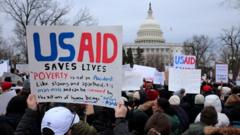
The U.S. Agency for International Development (USAID) is facing a dramatic reduction in staff numbers as proposals from the Trump administration signal a major overhaul of foreign aid. With a potential decrease from around 10,000 employees to fewer than 300, the plans have already placed most USAID workers, particularly those stationed abroad, on administrative leave starting early Friday morning.In a recent notification, the move has raised alarms about the future of numerous international aid programs that have already faced freezes under the new policy directives. Backing these cuts is a strong belief among Trump's advisors, including tech entrepreneur Elon Musk, that USAID has been misappropriating taxpayer resources and straying from the prioritized agenda of “America First” policies. Polling conducted earlier in the year has reflected a prevailing skepticism among the American populace regarding foreign aid, particularly among Republican voters. The reported overhaul aligns with Trump’s broader agenda to minimize federal expenditure, as he reinstates efforts to reshape government operations and formed the Department of Government Efficiency (Doge) led by Musk as a critical component of this initiative.Critics of the proposed slashes, including former USAID leaders like Gayle Smith, argue that the U.S. has historically taken the lead in humanitarian crises globally. Smith pointed out the worrying implications of withdrawing from the global aid landscape, emphasizing the moral responsibility of the U.S. to act during emergencies and the detrimental message it sends about prioritizing lives.Legal action has already been initiated by employee unions, including the American Foreign Service Association (AFSA) and the American Federation of Government Employees (AFGE), challenging the legitimacy of the cuts under U.S. law. The lawsuit claims that the dismantling of USAID lacks congressional authorization, arguing that such decisions rest with Congress rather than the executive branch.Amidst this scrutiny, dissent is also rising from political figures. Congressman Raja Krishnamoorthi has voiced concerns over the potential fallout on global public health, calling for a more constructive reform approach to the agency rather than drastic cutbacks. As the agency navigates these changes, the effects of the freeze have already been felt within the international community. Non-governmental organizations, particularly those tackling critical issues such as HIV treatment, have reported severe disruptions due to funding pulls from USAID. The uncertainty surrounding aid distribution has left vulnerable populations in distress, with apprehensions that essential health services could come to a halt.Despite these challenges, Secretary of State Marco Rubio, now acting head of USAID, has asserted that the U.S. will continue to engage in foreign aid, but it will be contingent on aligning with national interests. The assertion that the U.S. is not retreating from its commitment to aiding other nations has not quelled the growing fear over the ramifications of the impending changes on a global scale.


