In brief
As residents return, they grapple with the urgent need for shelter and services amidst widespread destruction.
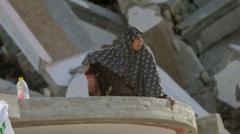
The trek home for thousands of displaced Gazans has finally commenced, signaling both relief and the daunting struggles ahead. After spending 15 harrowing months in displacement, many are now returning to a landscape profoundly altered by war. Despite the short distance of the Gaza Strip, the journey symbolizes the first step into an uncertain future for residents of this conflict-torn region.Gaza journalist Ghada el-Kurd articulated the gravity of the situation: "We have to re-establish again from the beginning, from zero," she remarked while preparing to return to her home in northern Gaza. The immediate needs for food, clean water, and shelter are being addressed, but the road to recovery remains long and fraught with challenges, as noted by Sam Rose from the UN's Palestinian refugee agency, Unrwa. He mentioned that ongoing aid is only meeting the absolute minimum requirements, with substantial needs still unmet.The humanitarian crisis in Gaza is staggering; as per UN estimates, around 70% of the buildings were either damaged or destroyed since the onset of the conflict in October 2023. The almost complete devastation seen in Jabaliya, a locality home to 200,000 individuals, reflects the harsh reality many returnees face. Many displaced residents are still living in tents, with the Hamas-run Government Media Office putting forth urgent requests for more temporary shelters.The pressure is palpable as those who remained in northern Gaza worry about a surge in demand for housing as others return. Asmaa Tayeh, a resident who evacuated Jabaliya but stayed in the north, highlighted the emergence of a new wave of displacement. Already, her building hosts multiple families, leading to rising tensions due to overcrowding and limited privacy.This significant influx of returning individuals has also begun affecting the marketplace, where sellers are reportedly raising prices due to the increased demand for goods. Alongside these economic challenges, the return of electricity and water supplies is expected to be strained.Despite the looming hardships, there are also hints of optimism among returnees. One woman expressed joy in her return to the north, hoping to recapture a sense of dignity and comfort. However, areas like Beit Hanoun face daunting reconstruction efforts, with many parts rendered unrecognizable.The complex political discourse surrounding the refugee situation echoes through the region. Notable figures, including former President Donald Trump, have suggested relocating Palestinians to neighboring countries. This proposal has met with swift rebuke from Egyptian and Jordanian officials, who voiced concerns about the broader societal and security implications of such a move. In the backdrop, Israeli Finance Minister Bezalel Smotrich has shown support for population reductions in Gaza, indicating a potentially bleak outlook for the region unless rehabilitation efforts gain momentum. Observers eye the forthcoming months, noting that without substantial progress in reconstruction, the prospect of further migration appears daunting, with many already seeking better opportunities abroad. As Gazans navigate the initial phases of recovery, the hope remains that they can rebuild and thrive within their homeland rather than be forced to seek refuge elsewhere.