
In brief
The U.S. has approved the sale of 500 Patriot Advanced Capability‑3 Missile Segment Enhancement (PAC‑3 MSE) missiles to Ukraine, with a $2.1 billion price tag entirely covered by allied partners and an EU loan. Lockheed Martin will supply the munitions, and the deal is intended to bolster Ukrainian air defense without impacting U.S. readiness. No offset agreements have been proposed, underscoring a tight focus on the humanitarian and strategic urgency of the transfer.
The U.S. State Department announced on October 31, 2026 that it has approved a $2.1 billion sale of 500 Patriot Advanced Capability‑3 Missile Segment Enhancement (PAC‑3 MSE) missiles to Ukraine, a move that will be financed entirely by Canada, Germany, and Norway in combination with European Union loan support. This decision follows diplomatic negotiations that aimed to strengthen Ukraine’s air defense capabilities while avoiding direct U.S. financial outlays, according to a statement posted by WAM.
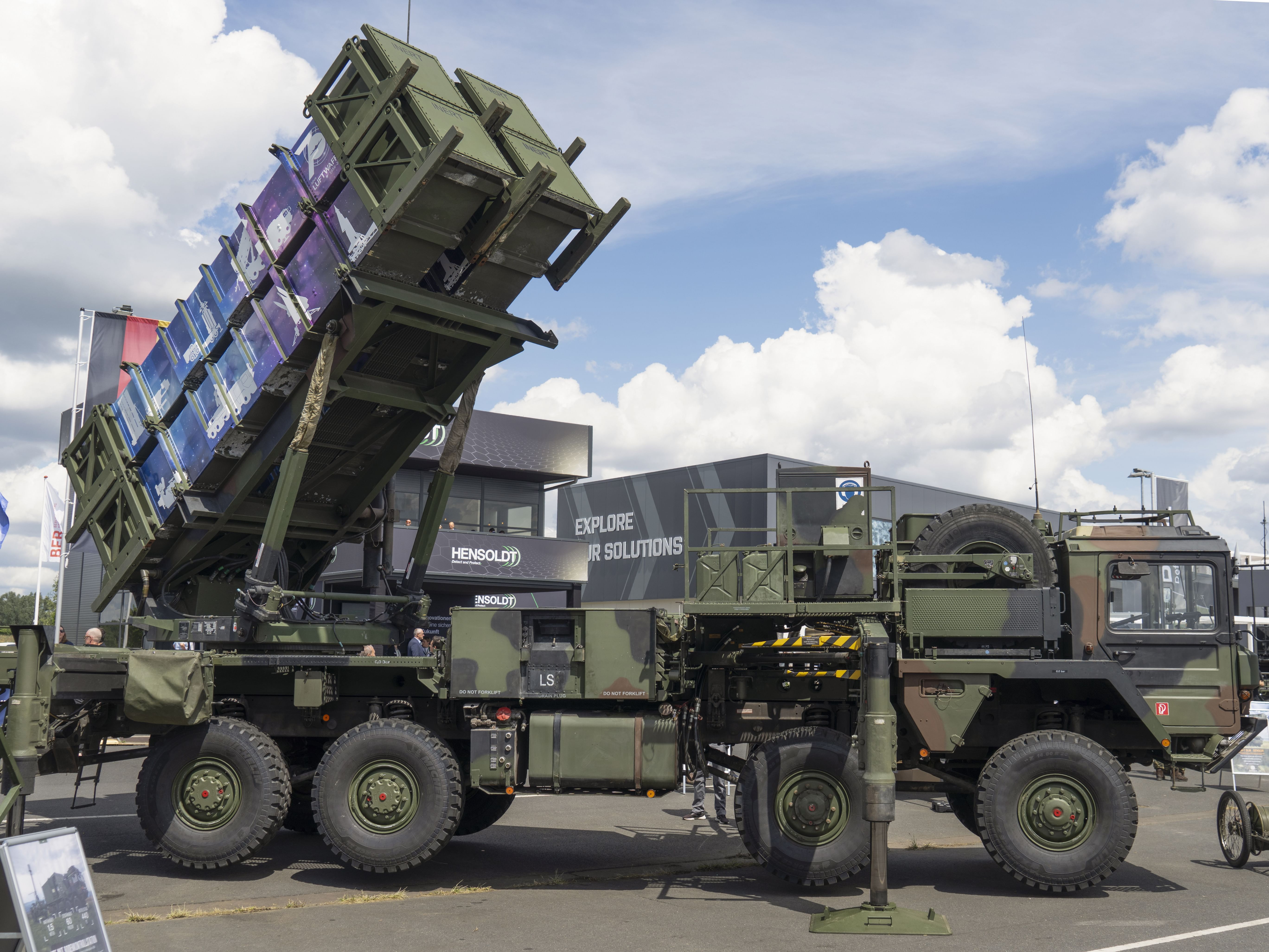
The PAC‑3 MSE is an upgraded version of the Patriot missile family, designed to intercept short‑range ballistic and cruise threats. The advanced guidance system improves target discrimination and hit probability by better distinguishing between genuine threats and decoys, a critical feature in a theatre where Russian air and missile attacks have intensified. The “Segment Enhancement” refers to the modular reloadable warheads, which replace the earlier “Segment 1” kinetic penetrator with a more advanced, agile design capable of higher threat rejection rates.
Technical Overview of PAC‑3 MSE
In plain terms, the PAC‑3 MSE uses radar tracking and an electro‑optical seeker to lock onto incoming warheads. Once a missile is guided to a target, its guidance system employs a continuous weapon‑area guidance algorithm that allows it to correct its trajectory in real time. The result is a higher probability of kill against manoeuvring targets compared to earlier Patriot versions. Lockheed Martin, serving as the principal contractor, will supply both the rockets and the necessary ground support equipment, ensuring the system can be integrated into Ukraine’s existing air defense network with minimal disruption.
Strategic Implications
WAM reports that the sale is intended to support U.S. foreign policy and national security objectives by strengthening the security of a partner country that contributes to political and economic stability in Europe. Because the funding comes exclusively from Canada, Germany, Norway, and the EU loan, the United States will not have to deploy additional armed forces to Ukraine nor risk a decrease in U.S. defense readiness. The State Department highlighted that no offset agreements have been proposed, indicating focus remains solely on transferring the munitions in a streamlined fashion.
From a systems perspective, the integration of 500 PAC‑3 MSEs into Ukraine’s defensive architecture should increase the coverage radius of the country’s missile defense shield. Each missile offers an engagement envelope that extends roughly 40–45 kilometers in altitude and 80–90 kilometers in range, depending on the miss profile, meaning that threats would need to remain within the sanctum of friendly airspace to be neutralized. The computer‑based simulations performed by Lockheed Martin predict a potential 15% improvement in airspace denial when the full complement of 500 missiles is operational.
These technical and strategic aspects underscore a broader shift in how allied nations are building short‑range ballistic missile defense in the face of evolving kinetic threats. Analysts note that the focus on modular, easily refilled missiles like the PAC‑3 MSE allows for cost‑effective replacement of warheads in the field, reducing long‑term maintenance burdens while preserving rapid response capabilities.
As the final steps toward delivery close, diplomatic channels are negotiating the logistics of shipping the munitions through NATO ports, while also coordinating with Ukraine’s air defense command to ensure that the training schedule aligns with the existing system upgrades. The absence of offset agreements, a common practice in defense sales to encourage allied domestic production, further suggests a specialized, high‑priority transfer aimed purely at reinforcing Ukraine’s immediate air defense needs.
