In brief
Rumeysa Ozturk, a 30-year-old Tufts University student, has been released from detention after a federal judge criticized the government's actions and acknowledged potential violations of her rights.
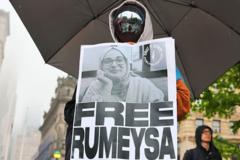
A federal judge has ordered the immediate release of Rumeysa Ozturk, a Turkish student at Tufts University, who faced detention in Louisiana following her arrest by U.S. immigration officials in Massachusetts. Judge William Sessions made the ruling after Ozturk testified virtually, stating she met all conditions for release. He expressed concerns over her detention's implications for free speech, noting, “Her continued detention chills the speech of millions in this country who are not citizens,” as reported by CBS News. Ozturk, age 30, had co-authored a contentious opinion piece criticizing Israel's military actions, sparking national debates on free expression and U.S. immigration policies. Following her arrest, prompted by claims she supported Hamas, a foreign terrorist organization, widespread protests erupted, fueled by video footage showing her apprehension by masked officers post-Ramadan celebration. During the court proceedings, Ozturk shared her academic credentials, which include a Fulbright scholarship and ongoing PhD research. She detailed how her asthma condition worsened during her detention, even necessitating breaks during her testimony. The judge noted she had substantial claims regarding possible violations of her First Amendment and due process rights, further asserting, "There is no evidence that she has engaged in violence or advocated violence."The American Civil Liberties Union, representing Ozturk, celebrated the ruling, emphasizing its affirmation of First Amendment rights and expressing hope for Ozturk's return to her academic pursuits. Judge Sessions instructed that the government must inform him upon her release, rejecting any efforts to impede it. This case follows a pattern of scrutiny over international students, as other cases involving detained students, such as Columbia University’s Mohsen Mahdawi, highlight anxieties within U.S. academic communities regarding immigration enforcement related to political expression.