In brief
Political expert Adam Przeworski delves into the factors contributing to the rise of autocracy in democracies worldwide, challenging the belief that economic prosperity alone can safeguard democratic institutions.
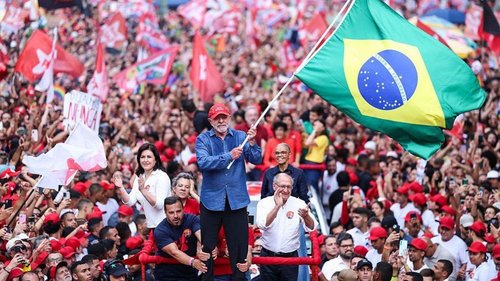
In recent years, the stability of democratic ideals has been increasingly put into question, as leaders around the globe exploit legal loopholes and electoral gimmicks to enhance their power. Political scientist Adam Przeworski, who fled his native Poland prior to the 1968 Prague Spring and later witnessed the violent rise of General Augusto Pinochet’s military dictatorship in Chile, reflects on this troubling trend. Przeworski, now an emeritus professor at New York University, has dedicated his career to understanding the conditions under which democracies either thrive or falter.Historically, he and other scholars believed that once democracies achieved a certain threshold of wealth and successful political transitions, they would become "consolidated" and immune to the threat of autocracy. This assumption has been increasingly challenged by recent global events. Notably, the January 6 attack on the U.S. Capitol, which interrupted a peaceful transfer of power, and the protests in Brazil against the new administration of Luiz Inácio Lula da Silva exemplify the fragility of democracies that were long considered stable.In Europe, the rise of far-right parties has further emphasized the vulnerability of democratic structures even in historically robust political environments. The actions of these groups echo techniques employed by leaders who have previously dismantled democratic institutions, heightening the concern that democracy may not be as resilient as once thought.As Przeworski notes, the ongoing struggle within democracies signifies that citizens must remain vigilant to protect their rights and systems from exploitation by those seeking to undermine their foundations. The manipulation of laws and elections by autocratic leaders serves as a somber reminder of democracy’s precarious nature in today's geopolitical landscape.