
In brief
In a significant shift from over a century of journalistic tradition, the White House has announced it will now determine which news outlets have access to President Trump, sparking controversy over press freedom and the role of the WHCA.
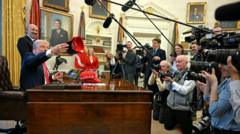
The White House has announced a controversial decision to take control of the press pool that covers President Donald Trump, a move that directly impacts which news organizations can participate in covering presidential events. Press Secretary Karoline Leavitt revealed on Tuesday that the administration would now determine the composition of the pool, which has traditionally been managed by the White House Correspondents' Association (WHCA) for more than a hundred years.Leavitt emphasized that these changes would not only benefit legacy media outlets but also give "new media" outlets, including streaming platforms and podcasts, an opportunity to access presidential events. "By determining which outlets make up the limited press pool on a day-to-day basis, the White House will be restoring power back to the American people," she asserted during the announcement.Historically, the WHCA has played a key role in organizing the logistics surrounding the presidential press pool, which includes a rotating selection of reporters, a camera team from one of the five major U.S. networks, and a radio correspondent. The WHCA defended its role by stating that the pool allows for efficient news dissemination from the White House to the broader public.However, the new directive has drawn criticism from the WHCA and various press members. They argue that it will give preferential treatment to media outlets the White House perceives as sympathetic. Jacqui Heinrich, a Fox News reporter and WHCA board member, expressed her concern on social media, highlighting that the decision shifts power from the press back into the hands of the White House.The announcement comes on the heels of a dispute involving the Associated Press (AP), which has been denied access to White House events after refusing to modify its style guide to reflect President Trump's renaming of the Gulf of Mexico to "Gulf of America." A U.S. judge recently declined to reinstate the AP's access, a situation the agency argues is retaliatory and infringes upon constitutional freedoms.President Trump addressed the matter earlier in the day, signaling his agreement with the initiative by stating, "We're going to be calling those shots." As the media landscape continues to evolve, this decision raises pressing questions about press independence and the balance of power between the government and the press. With hearings scheduled, the full implications of this policy shift remain to be seen.

