
In brief
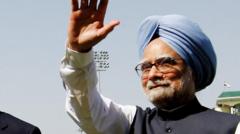
Manmohan Singh, who served as Prime Minister from 2004 to 2014, is lauded as a key figure in India’s economic transformation and social reform. His policies not only uplifted millions but also set a new course for the country’s governance and international standing.
Former Indian Prime Minister Manmohan Singh's contributions continue to resonate across India following his recent death. Serving two terms from 2004 to 2014, Singh is recognized as a pivotal figure in the liberalization of India's economy, transforming it into one of the fastest-growing major economies globally. His early tenure as Finance Minister during a severe financial crisis in the 1990s set forth critical reforms aimed at deregulating an economy on the brink of collapse. Singh's bold measures included currency devaluation, reducing import tariffs, and privatizing state-owned enterprises, which eventually lifted millions from poverty. Taking office initially as a reluctant choice for Prime Minister, Singh gained momentum and led the country through a period of robust economic growth, with an average GDP increase of about 8% between 2004 and 2009. His leadership shielded India from the repercussions of the 2008 global financial crisis, showcasing his expertise in economic policy. Despite facing criticism for alleged corruption within his cabinet during his second term, Singh maintained a high moral standing, asserting in his final press conference that he believed history would weigh his legacy more kindly than contemporary opinions.Singh also made significant strides in enacting laws that enhanced democratic governance, such as strengthening citizens' rights to information and ensuring education for children. His introduction of the Aadhar initiative revolutionized welfare distribution, and his unfortunate public apology for the anti-Sikh riots of 1984 marked an unprecedented gesture of reconciliation. His tenure culminated with the groundbreaking nuclear deal with the United States in 2008, breaking free from India’s nuclear isolation and promoting civilian nuclear trade. In retrospect, Singh's decisions and policies continue to shape India’s current socio-economic landscape, highlighting his legacy as a transformative leader who profoundly influenced the lives of over a billion people.



