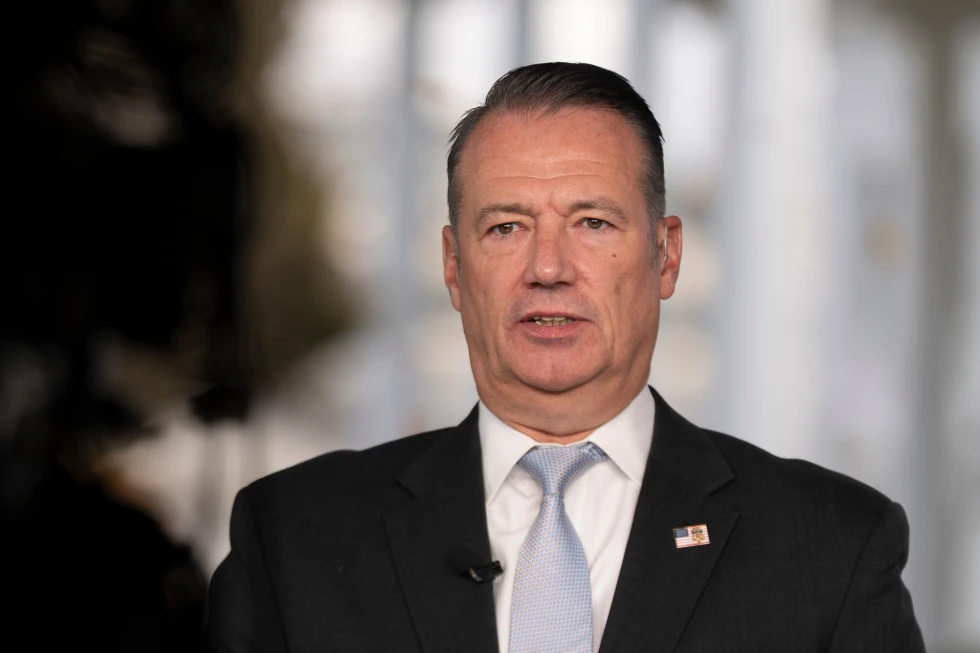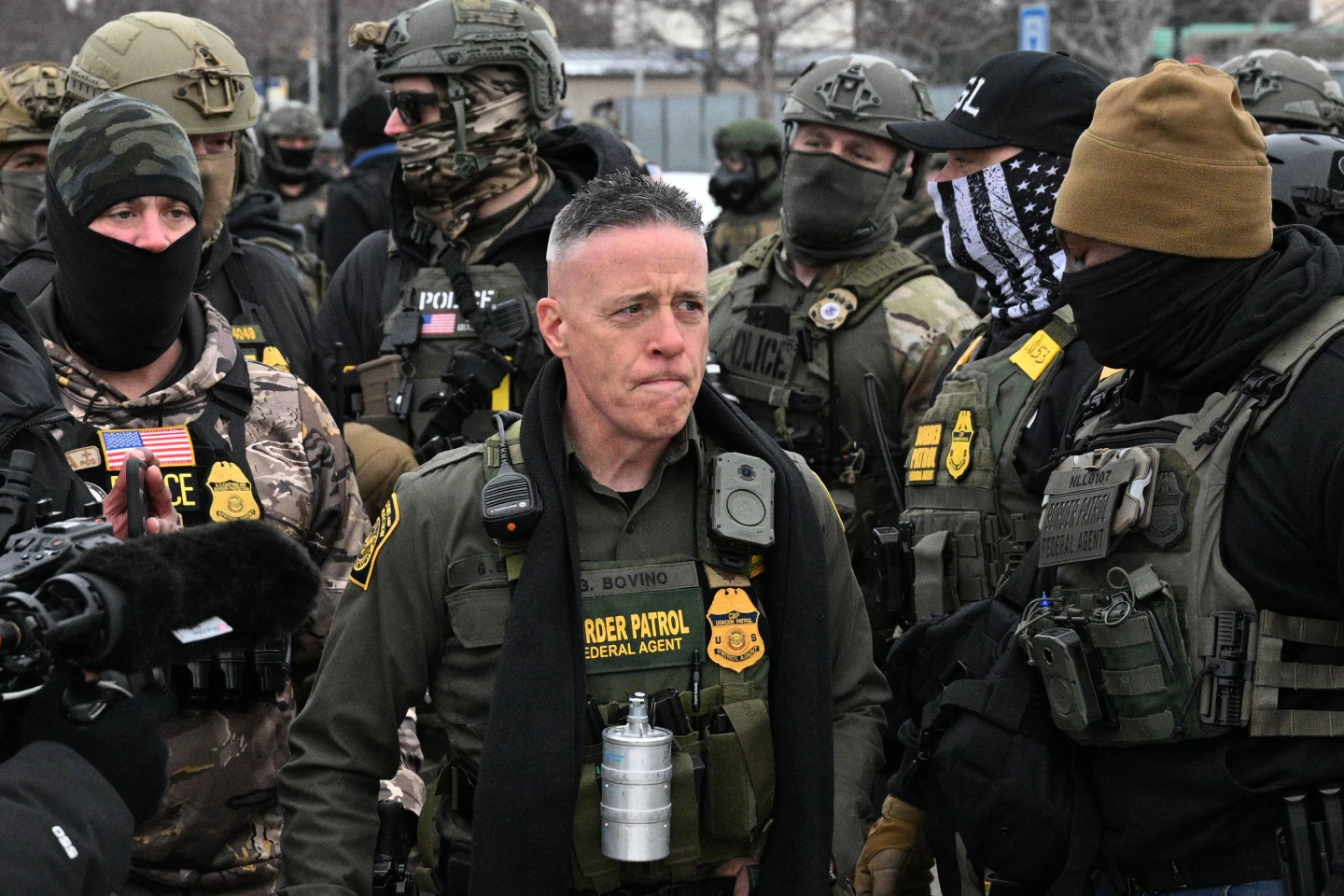
CHICAGO (AP) — A Chicago man, Juan Espinoza Martinez, is at the center of a federal trial for allegedly soliciting a murder via Snapchat. This trial raises key questions about the intensity and credibility of federal immigration enforcement actions in the city. Prosecutors accuse Martinez of placing a $10,000 bounty on Gregory Bovino, a Border Patrol commander known for his aggressive enforcement tactics.
As the case unfolded, the defense characterized the communications as nothing more than 'neighborhood gossip,' arguing that the messages sent to a friend and brother, who turned out to be a government informant, did not constitute a real solicitation for murder.
The prosecution contends this is more than mere banter, emphasizing that the evidence will suggest serious intent behind the messages. Meanwhile, the trial is occurring amidst a backdrop of increased federal immigration raids that have sparked protests and concerns within local communities.
Martinez, who lacks legal status in the U.S. despite living there for years, faces a potential 10-year prison sentence if convicted. The implications of this case not only reflect on Martinez but also on the overarching narrative pursued by the Trump administration regarding immigration enforcement, questioning the integrity and safety of such federal operations amidst allegations of misconduct and fabrication of threats by agencies like Homeland Security.
As the case unfolded, the defense characterized the communications as nothing more than 'neighborhood gossip,' arguing that the messages sent to a friend and brother, who turned out to be a government informant, did not constitute a real solicitation for murder.
The prosecution contends this is more than mere banter, emphasizing that the evidence will suggest serious intent behind the messages. Meanwhile, the trial is occurring amidst a backdrop of increased federal immigration raids that have sparked protests and concerns within local communities.
Martinez, who lacks legal status in the U.S. despite living there for years, faces a potential 10-year prison sentence if convicted. The implications of this case not only reflect on Martinez but also on the overarching narrative pursued by the Trump administration regarding immigration enforcement, questioning the integrity and safety of such federal operations amidst allegations of misconduct and fabrication of threats by agencies like Homeland Security.