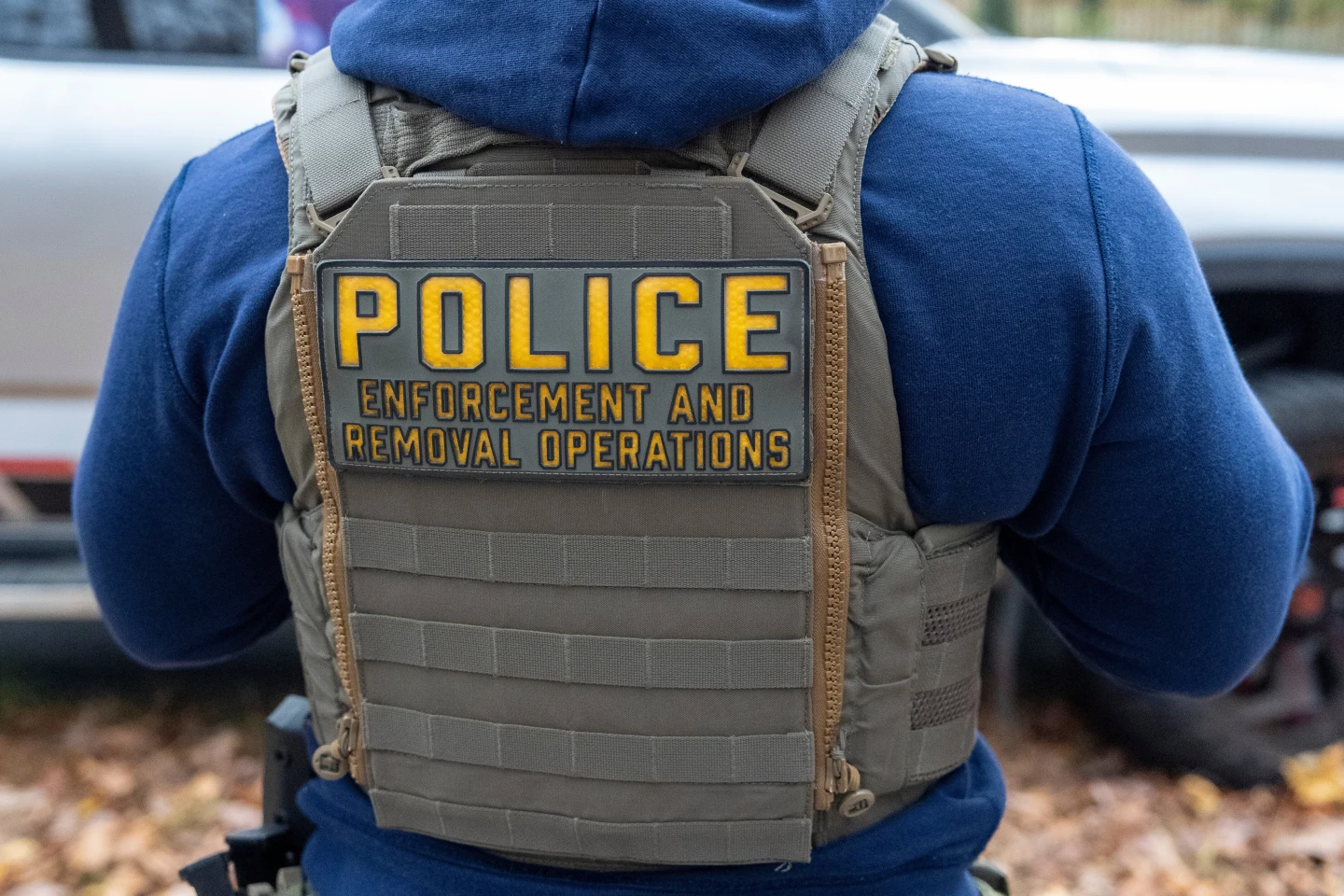
An investigation by the Associated Press has revealed concerning issues with the rapid hiring of U.S. Immigration and Customs Enforcement (ICE) officers. Many newly hired officers began their duties before completing necessary background checks, highlighting serious financial and legal problems in their histories.
ICE, which recently announced a significant hiring increase of 12,000 officers and special agents to aid in a mass deportation campaign, faces scrutiny as prior vetting processes may have been insufficient. This has raised concerns about national security given the importance of maintaining a well-qualified and trustworthy law enforcement workforce.
Among the new hires is Carmine Gurliacci, whose financial troubles included multiple bankruptcies and unresolved debts, including child support, raising alarms about the potential for bribery risks among officers with financial instability. Additionally, another officer, Andrew Penland, faced allegations of misconduct before joining ICE, further complicating the agency's reputation.
Critics, including former ICE officials, have voiced concerns that the agency's haste to fulfill hiring goals, including impressive signing bonuses, may have compromised its commitment to high recruitment standards. As the investigation unfolds, officials from the Department of Homeland Security (DHS) acknowledged that some candidates received provisional offers to start work while background checks remained incomplete, underscoring the pressures faced by ICE's hiring processes.
ICE, which recently announced a significant hiring increase of 12,000 officers and special agents to aid in a mass deportation campaign, faces scrutiny as prior vetting processes may have been insufficient. This has raised concerns about national security given the importance of maintaining a well-qualified and trustworthy law enforcement workforce.
Among the new hires is Carmine Gurliacci, whose financial troubles included multiple bankruptcies and unresolved debts, including child support, raising alarms about the potential for bribery risks among officers with financial instability. Additionally, another officer, Andrew Penland, faced allegations of misconduct before joining ICE, further complicating the agency's reputation.
Critics, including former ICE officials, have voiced concerns that the agency's haste to fulfill hiring goals, including impressive signing bonuses, may have compromised its commitment to high recruitment standards. As the investigation unfolds, officials from the Department of Homeland Security (DHS) acknowledged that some candidates received provisional offers to start work while background checks remained incomplete, underscoring the pressures faced by ICE's hiring processes.