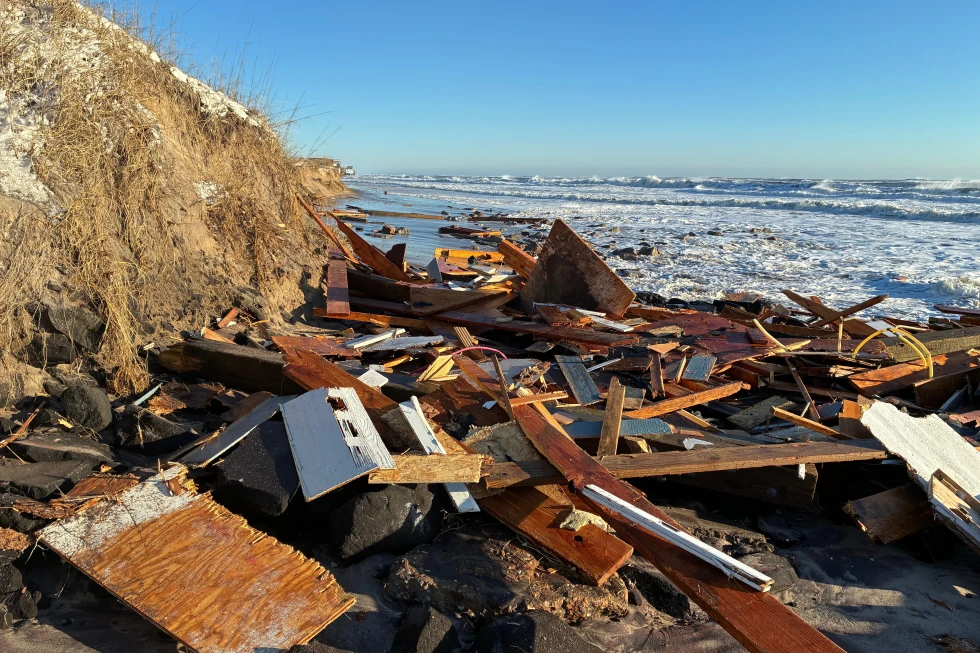
RALEIGH, N.C. — The southeastern United States continues to grapple with the aftermath of severe winter storms that have unleashed sub-freezing temperatures and hazardous conditions. In North Carolina, four homes crumbled into the ocean as icy winds battered the shoreline, highlighting ongoing concerns about coastal erosion.
Temperatures remained below freezing across much of the northern U.S. from the Dakotas to New England, and colder air is predicted to move into the Southeast overnight, affecting areas as far south as northern Florida.
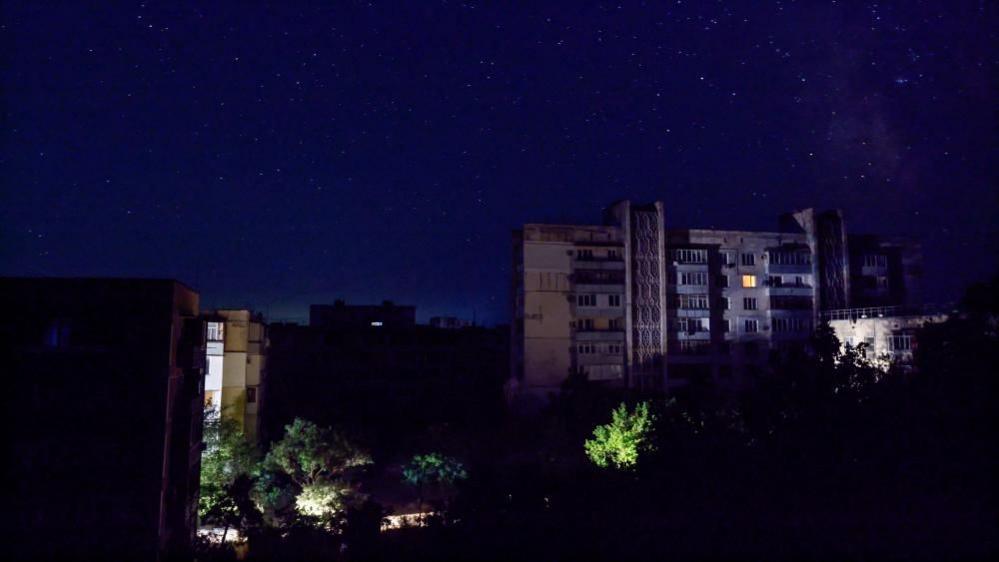
Virginia and the Carolinas are reeling from recent heavy snowfall, while over 70,000 customers in Tennessee and Mississippi face a second week without power after a harsh ice storm caused significant damage to utility infrastructure. In Nashville, frustration is mounting among residents like Terry Miles, who has been without power for nine days. He described the hardship of living in cold conditions while relying on a borrowed gas generator.
The National Park Service has reported that four unoccupied homes in North Carolina's Outer Banks collapsed due to the combined effects of rising sea levels and winter storms, with remnants of the structures now strewn along the beach. This incident reflects a troubling pattern, as erosion along these barrier islands has accelerated in recent years.
In the agricultural sector, Florida farmers prepared for potential frost damage as temperatures dipped dramatically. Fern growers, in particular, are concerned about the impact of the cold on their plants just ahead of Valentine's Day, their busiest shipping season.
The harsh conditions have also led to rising death tolls. Officials report that at least 110 people have succumbed to the cold in various states since late January, with hypothermia suspected in several fatalities, especially in urban areas like New York City.
Utilities and local governments are facing scrutiny as they respond to the widespread effects of these unusual cold spells. In Nashville, officials are reviewing utility responses to better navigate future emergencies.
As the cold weather lingers, the National Weather Service has issued ongoing alerts, with further winter conditions expected in several Midwestern and Southern states.