Officials from Thailand and Cambodia will meet next week to discuss the possibility of reviving a ceasefire, Thailand's foreign minister said, as deadly border clashes entered a third week.
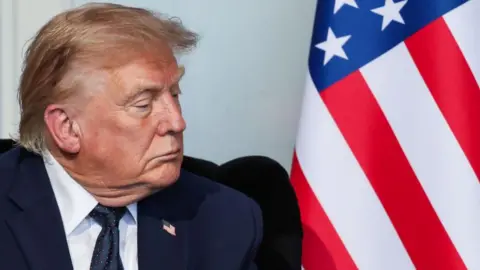
Both countries had signed a ceasefire earlier in July, which was brokered by former US President Donald Trump. However, fighting resumed earlier this month, with both nations blaming each other for the escalation.
On Monday, top officials from both countries met at a summit in Malaysia, marking their first face-to-face discussion since the fighting reignited.
Thailand's Foreign Minister, Sihasak Phuangketkeow, referred to the July ceasefire as "rushed", attributing this haste to the US wanting the agreement finalized before Trump’s visit. He emphasized the need for thorough discussions to ensure the ceasefire genuinely reflects the current situation on the ground.
A military officials' meeting will take place on December 24 before a ceasefire agreement can be established, according to Phuangketkeow. Cambodia has yet to comment on these developments.
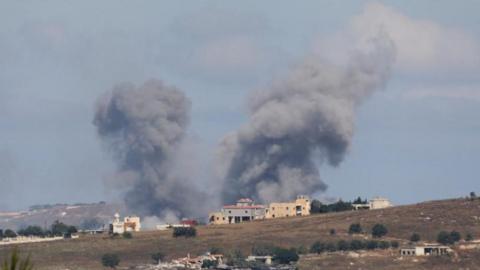
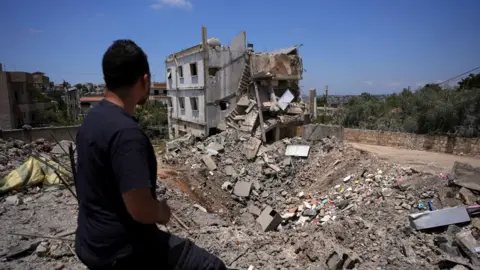
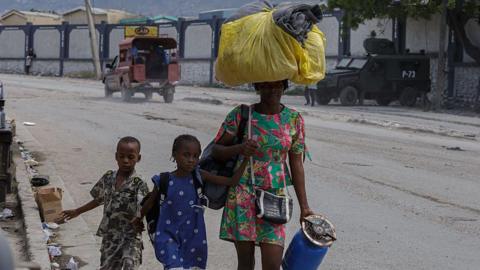
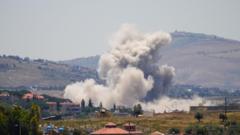
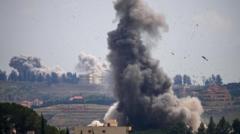
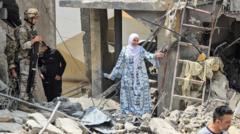
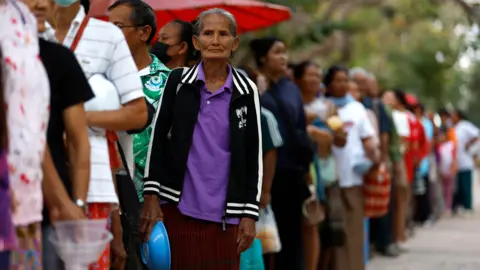
Since the renewed fighting began, at least 41 people have lost their lives and nearly a million individuals have been displaced. The conflict has been marked by serious exchanges of artillery fire along the 800km (500-mile) border, with Thailand conducting airstrikes against Cambodian positions.
The situation is critically concerning, with Cambodia and Thailand blaming one another for the ongoing hostilities. This conflict is the most severe clash between ASEAN member states since the organization was founded, raising questions about its effectiveness in maintaining peace.
International attention has also turned to this conflict, with both the US and China seeking to mediate a ceasefire. Last week, China's special envoy reaffirmed China's commitment to facilitating dialogue between the two nations.
The historical context of the argument between Thailand and Cambodia stretches back over a century, with sporadic violence over the years. Renewed tensions surfaced after a Cambodian soldier was killed, followed by a deadly exchange of fire that resulted in numerous casualties.
In response to escalating tensions, Malaysian Foreign Minister Mohamad Hasan emphasized the need for ASEAN members to urgently address this situation, highlighting the far-reaching ramifications of continued conflict.