In brief
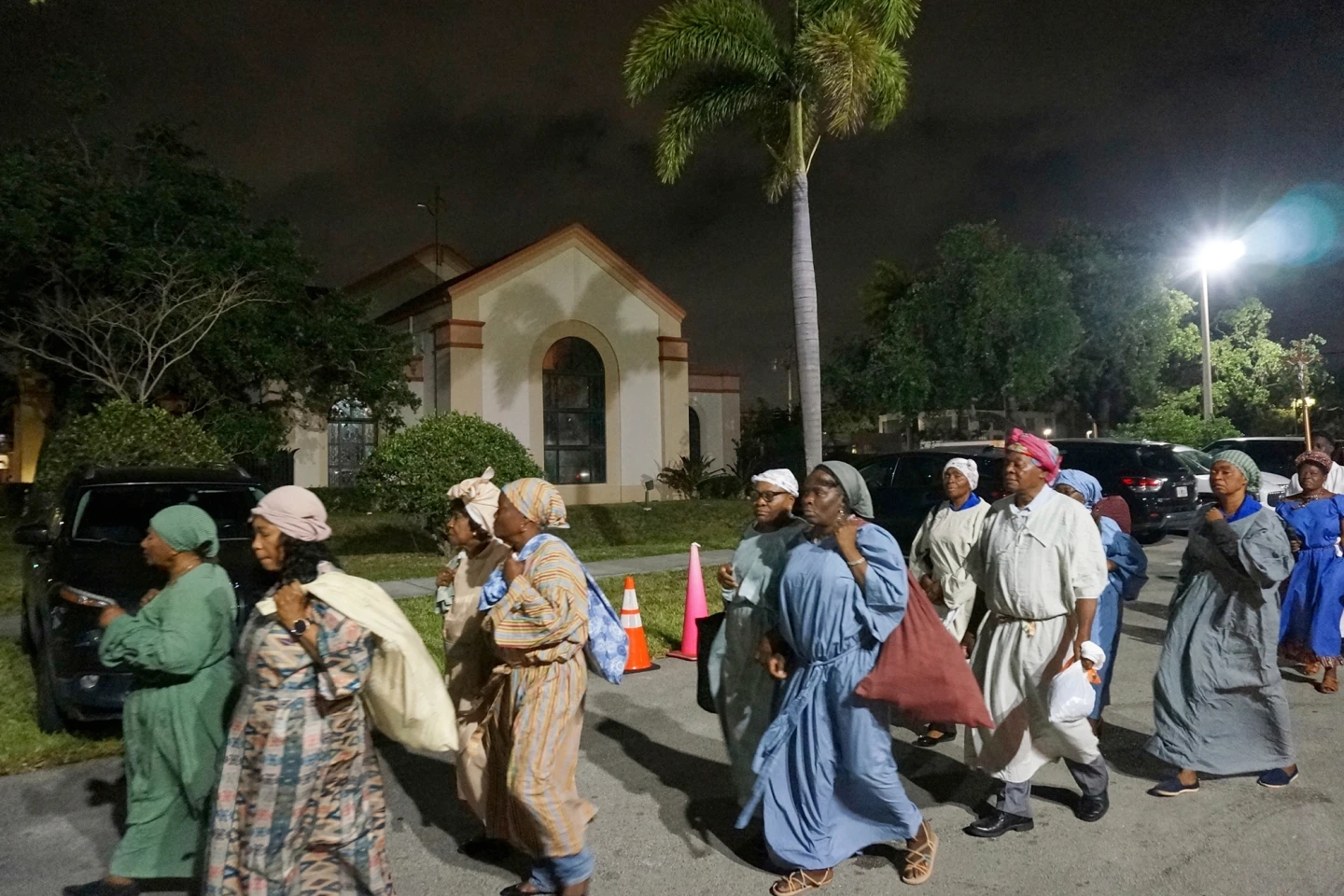
In a climate of increasing anti-immigrant sentiment in the U.S., particularly against Haitians, Afghans, and Somalis, faith leaders have rallied to support these communities. As the Trump administration's policies grow harsher, religious groups are stepping up to provide sanctuary and amplify their advocacy efforts.
In the face of rising challenges in 2025, faith leaders across the United States are responding to the escalating anxiety among immigrant communities. Under President Trump's tenure, harsh rhetoric and stringent policies have fueled fear, particularly among Haitians, Afghans, and Somalis, prompting religious leaders to take a stand.
Recent statements from Trump blaming immigrants for various socio-economic issues and proposing ‘REVERSE MIGRATION’ have heightened tensions. Faith leaders, including Bishop Daniel Garcia of Austin, emphasize that dehumanizing language is incompatible with the belief that all humans possess inherent value and dignity. 'Each child of God has value and dignity,' Garcia reiterated.
Haitians in Resilience
With unresolved issues surrounding Temporary Protected Status (TPS) for Haitians, fears are mounting in places like Springfield, Ohio, where many settled after fleeing gang violence. Rev. Carl Ruby of Central Christian Church noted, 'It’s going to be an economic and humanitarian disaster' as TPS expiration looms. Faith communities are banding together to provide sanctuary and navigate legislative barriers amidst a climate of despair.
Impact on Afghan Refugees
The onset of Trump’s administration brought significant cuts to the refugee program, severely affecting organizations like Lutheran Social Services of the National Capital Area, which had to lay off staff amid decreased funding. Kristyn Peck, CEO of LSSNCA, cites increased fears among Afghan refugees following negative media portrayal tied to one individual's actions. Yet, local volunteers are stepping up to fill the gaps left by budget cuts, providing vital English and job skills training to Afghan women.
Somali Community Response
In Minnesota, the Somali community is countering negative narratives through the establishment of advocacy task forces. Leaders like Imam Yusuf Abdulle emphasize the resilience of the Somali diaspora while addressing the broader community's concerns amid a crackdown on enforcement actions. 'For unfortunate things like fraud or youth violence, every immigrant community has been through tough times,' Abdulle stated.
A Unified Faith Response
In November, U.S. Catholic bishops condemned developments that cultivate fear among immigrants, urging the church and community members to continue supporting those in need. This collective voice is echoed by other religious organizations, including HIAS, which has historically advocated for targeted communities. Faith leaders are stepping forward, encouraging compassion over fear at a critical moment as immigrant rights face significant challenges.