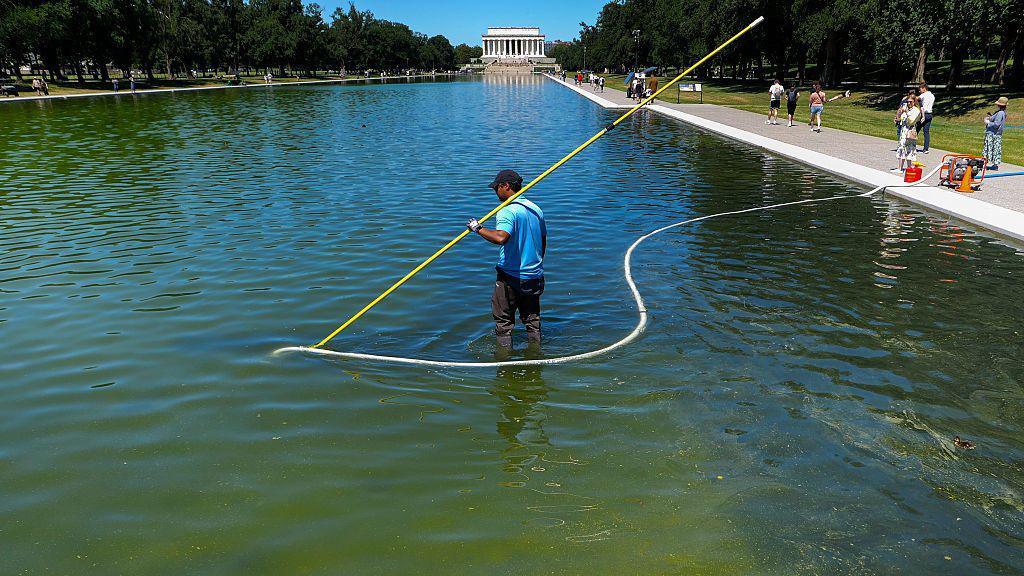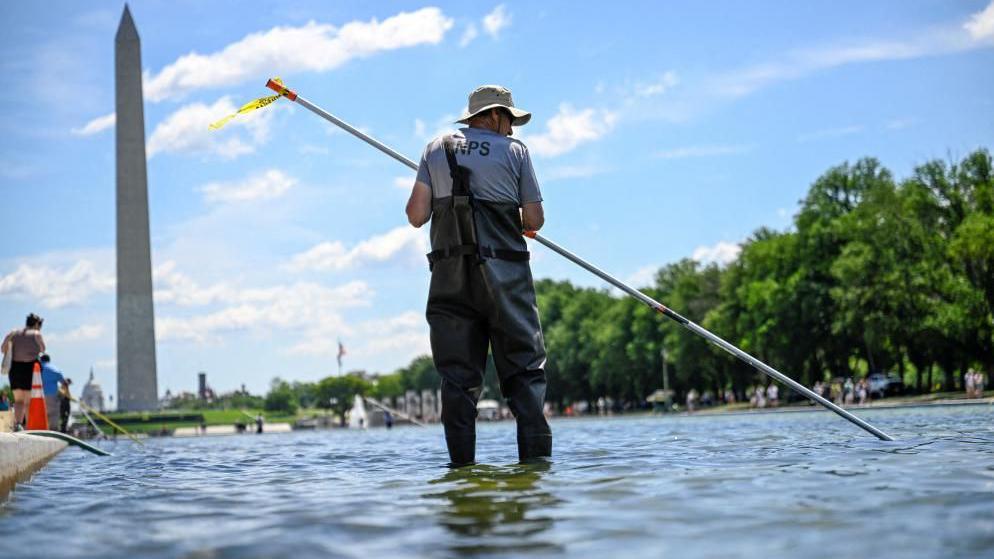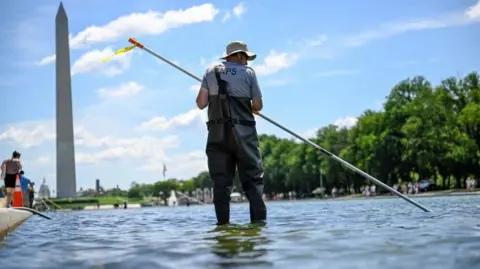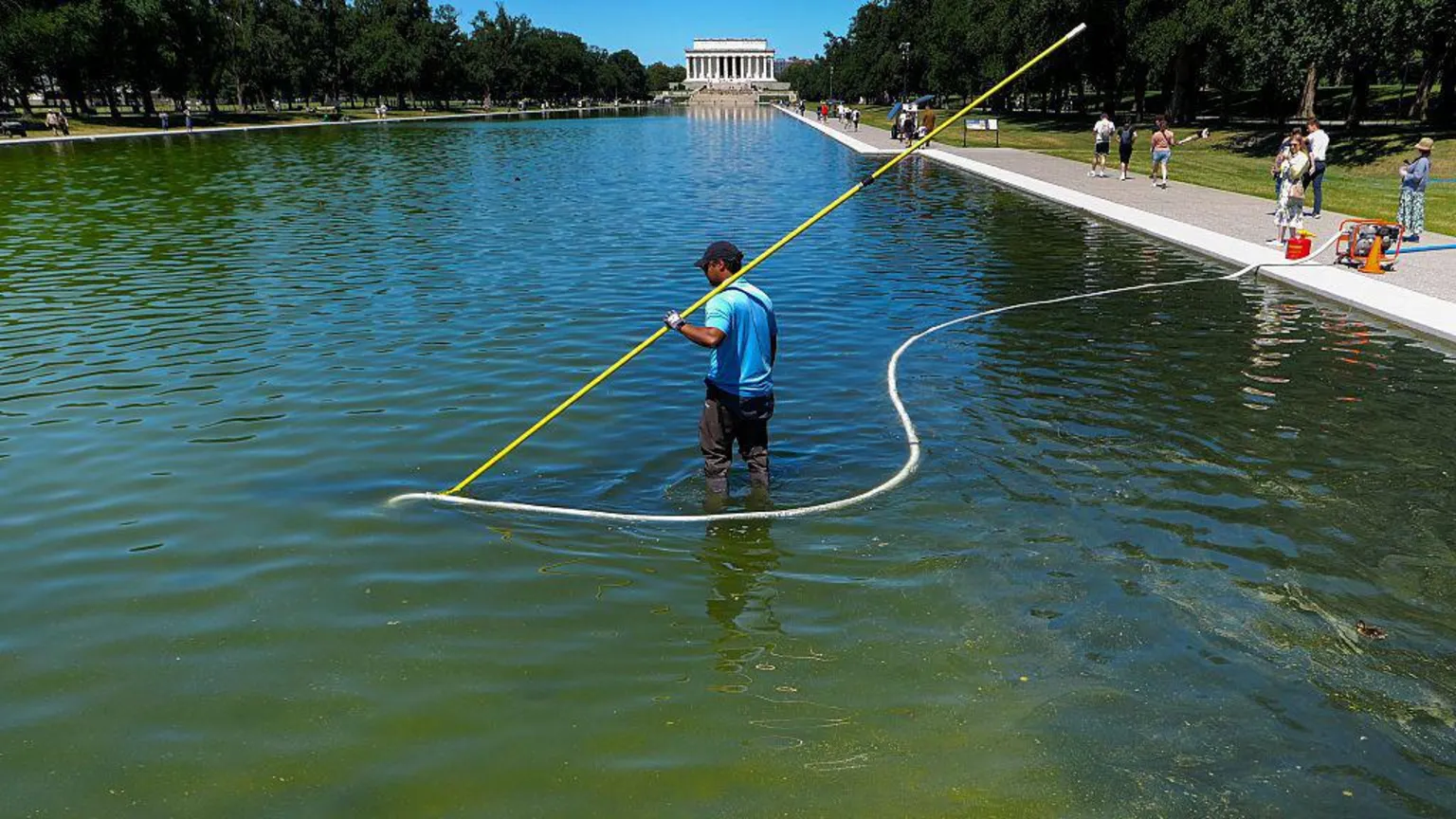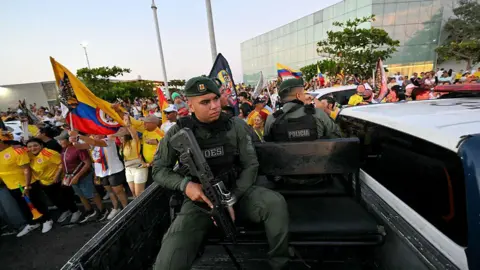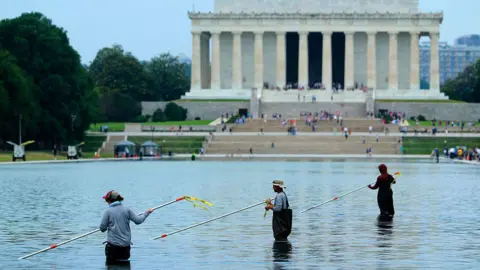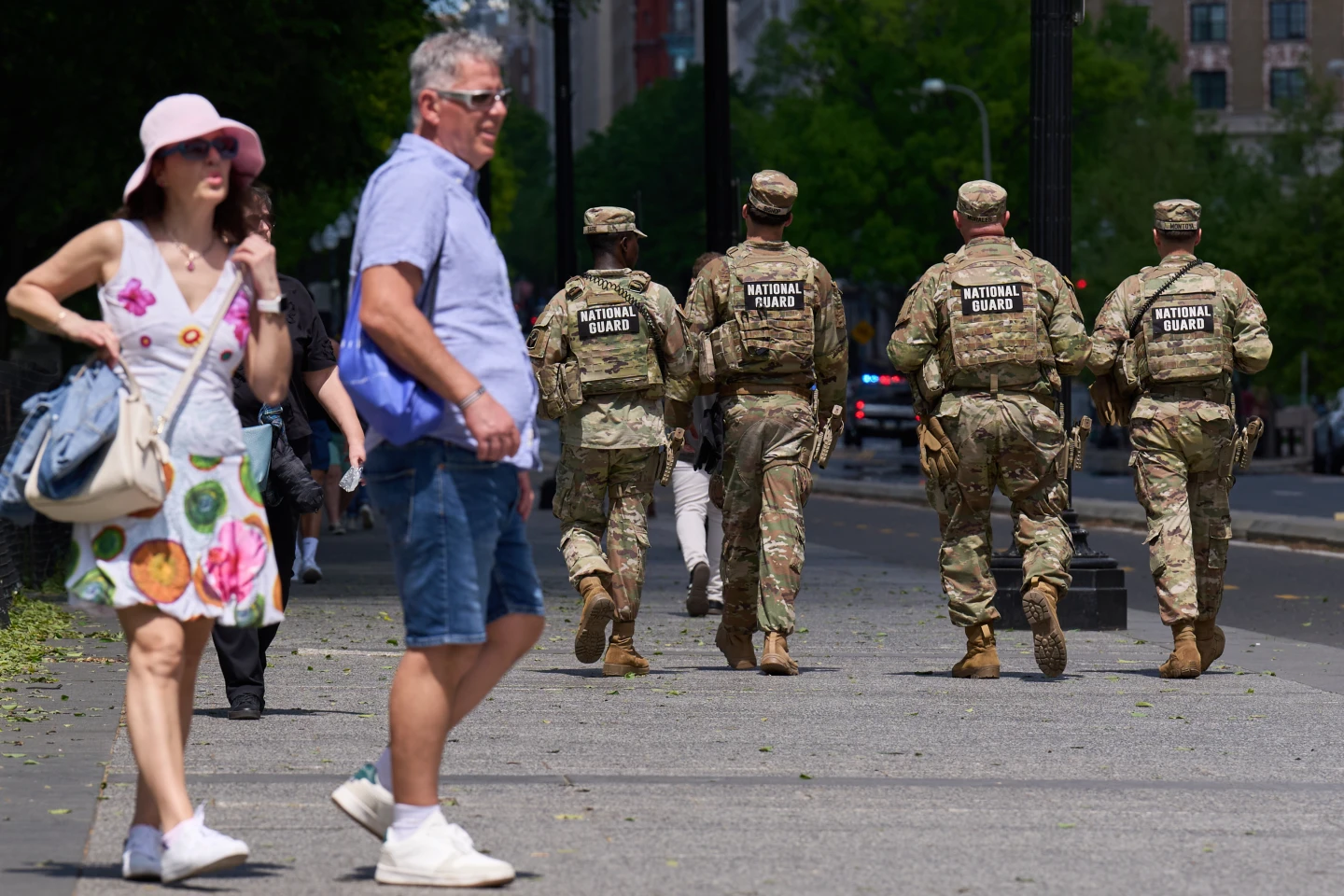
As spring arrives in Washington, the iconic cherry blossoms draw millions of visitors to the Tidal Basin. Yet, this year, the beauty of the blooms is juxtaposed by the sight of over 2,500 National Guard troops patrolling the area, a shift in atmosphere that has persisted since President Donald Trump declared a crime emergency eight months ago.
Despite deployments in other cities being reduced or ended, the National Guard remains firmly stationed in Washington D.C., facing little resistance from local officials, who seem to have limited power to affect their presence. Phil Mendelson, the chairman of the District of Columbia Council, pointed out in a recent statement that taxpayers are footing a hefty bill for the continued military presence, totaling over a million dollars daily.
The National Guard's role has evolved over time; they’ve not only responded to emergencies and assisted local law enforcement but have also engaged in community efforts, including beautification projects and snow removal during harsh winter storms. The White House boasts of a noticeable drop in crime since the Guard's deployment, claiming that their presence has resulted in substantive law enforcement actions including significant arrests and firearm seizures.
However, criticisms arise regarding the effectiveness of troop presence amid an ongoing investigation into whether crime statistics have been manipulated by local law enforcement. D.C. attorney general Brian Schwalb's office is currently challenging the legality of the Guard's deployment, indicating tensions between local governance and federal control.
This debate over the Guard’s presence seems to be gaining less traction among local political candidates, many of whom are pivoting to focus on issues like affordability and congressional accountability, while the Guard remains a backburner topic. As primary elections approach, the public discourse around the militarization of the city has muted, with prevailing concerns over local autonomy and the psychological impact of armed troops on citizens.
Community groups and civil rights advocates are positioning themselves for protests aimed at re-establishing local control over D.C.'s law enforcement, marked by a clarion call for understanding autonomy amidst a backdrop of federal oversight. As the new politically charged season approaches, the question of military presence during elections looms large—whether it offers security or instills fear among voters remains a critical concern.