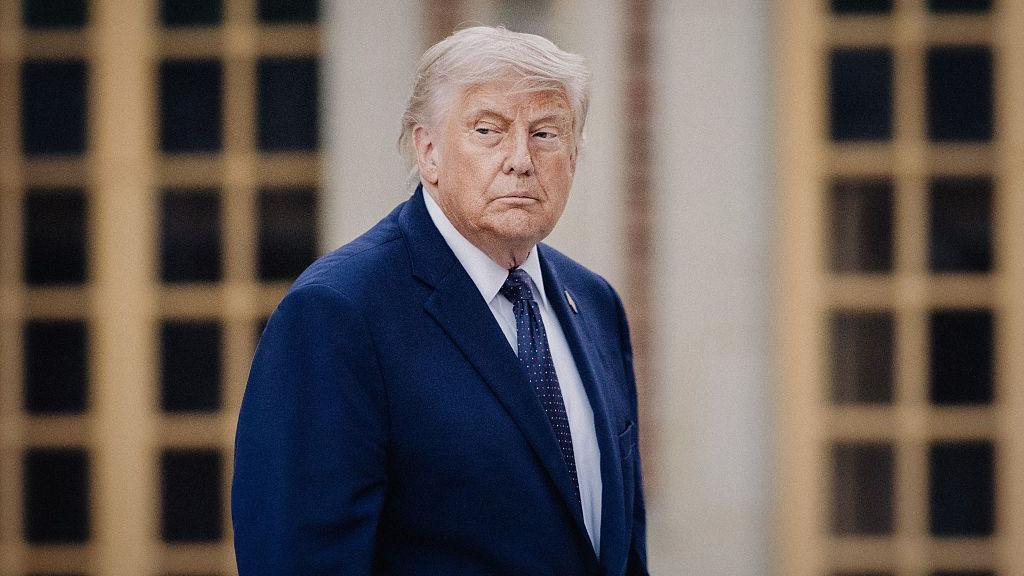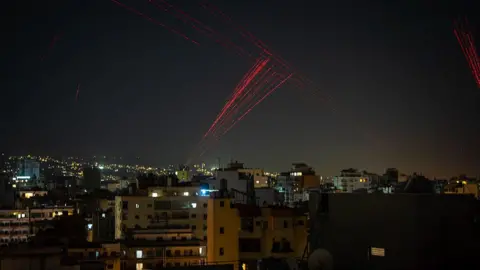
US President Donald Trump has announced that the leaders of Israel and Lebanon have agreed to a 10-day ceasefire, which took effect from 17:00 EST (21:00 GMT; midnight local time) on 16 April.
There was no mention in Trump's statement of Hezbollah, the Iran-backed militant group in Lebanon with which Israel has been exchanging fire for the past six weeks. However, Trump later urged the group to abide by the ceasefire, expressing hope that Hezbollah would act suitably during this crucial time.
Following this announcement, Trump invited Israeli Prime Minister Benjamin Netanyahu and Lebanese President Joseph Aoun to the White House for further discussions.
The ceasefire terms specify that it will last for 10 days, with the potential for extension through mutual agreement if negotiations progress. According to the US State Department, Israel maintains the right to defensive measures against any imminent attacks, while Lebanon is tasked with preventing Hezbollah and other militant groups from attacking Israel.
Lebanon's security forces are recognized as having exclusive responsibility for security within Lebanon. This truce has been described as a goodwill gesture from Israel aimed at fostering negotiations toward a lasting peace agreement.
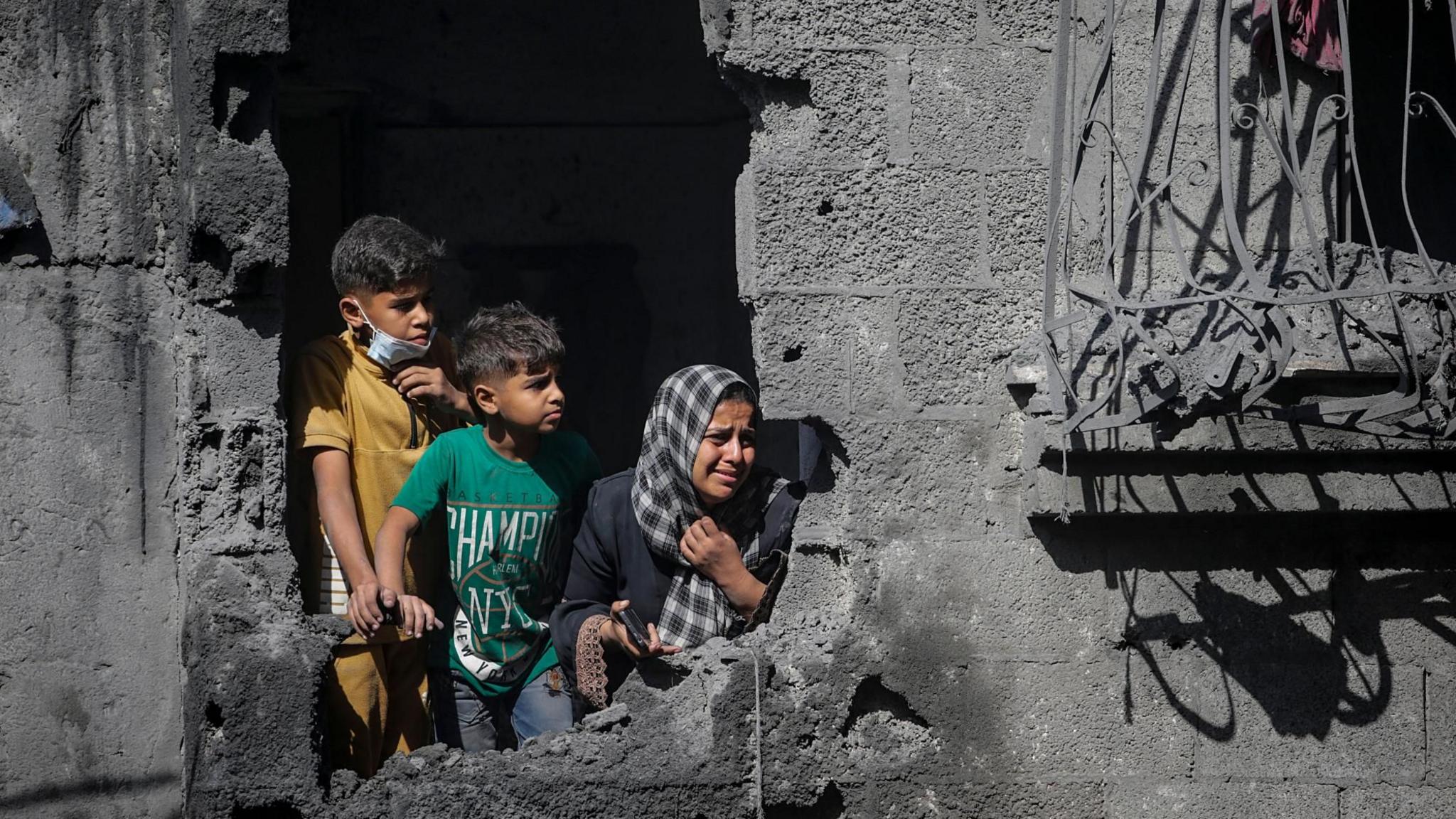
Both leaders welcomed the ceasefire, with Netanyahu stating it presents an opportunity for a historic peace agreement. Meanwhile, Lebanese Prime Minister Nawaf Salam expressed hopes that the ceasefire would facilitate the return of displaced individuals.
Hezbollah has signaled a willingness to participate, demanding a comprehensive halt to all attacks across Lebanon and restricting Israeli military movement. Importantly, Hezbollah operates outside the Lebanese government’s security framework.
International response has been supportive, with UN Secretary-General António Guterres acknowledging the US's role in facilitating the ceasefire and urging compliance with international law. The President of the European Commission, Ursula von der Leyen, called the agreement a relief, reiterating the need for respect of Lebanon's sovereignty.
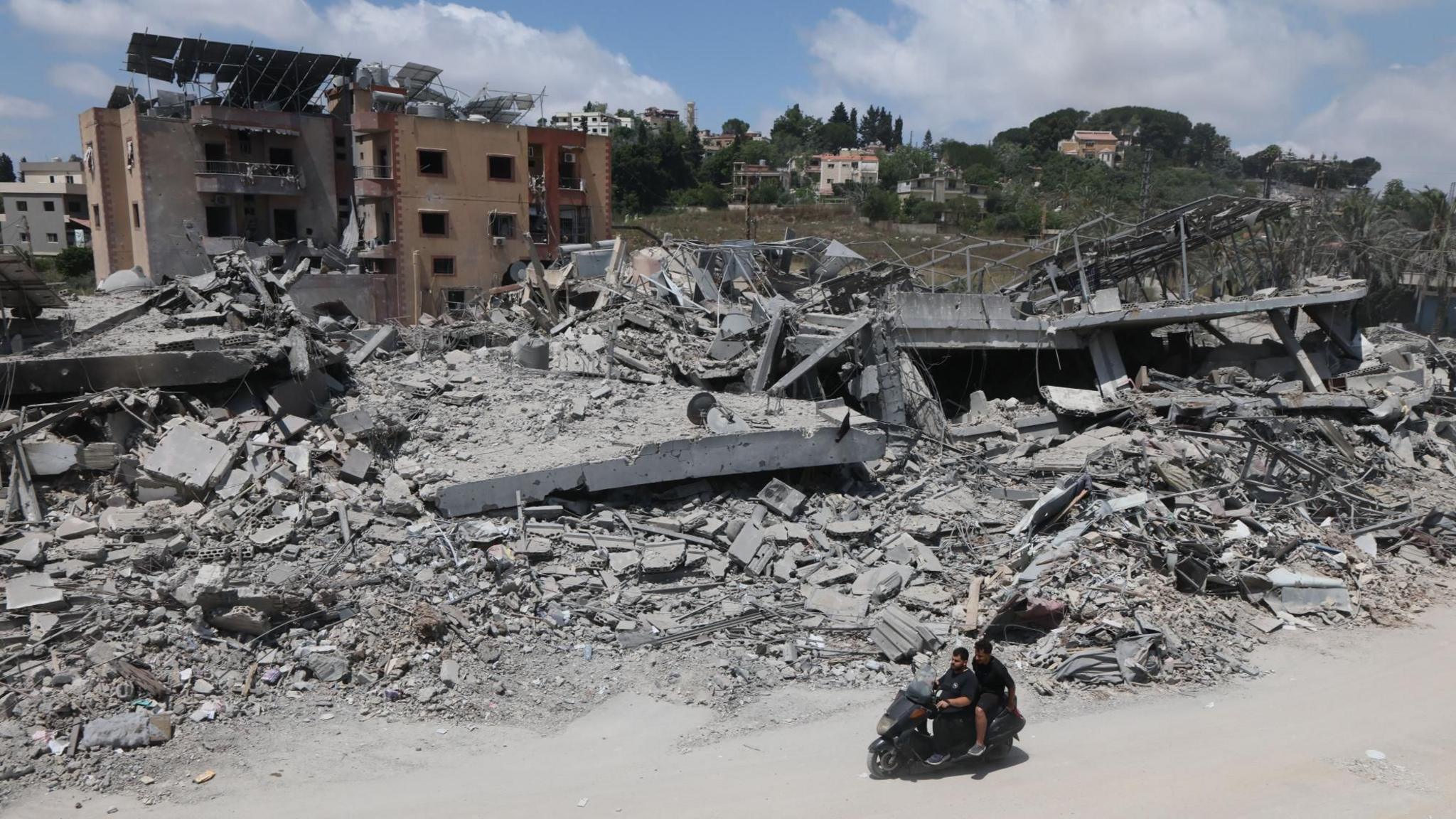
Despite the ceasefire, Netanyahu reaffirmed the necessity of a 10km security zone in southern Lebanon to prevent further conflicts. Israeli operations in Lebanon came in the wake of attacks from Hezbollah in March, leading to significant casualties on both sides.
This complex political landscape suggests that while a ceasefire has been established, the path to enduring peace remains fraught with challenges and expectations from various stakeholders.