In brief
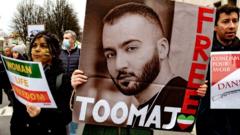
In a significant development, Toomaj Salehi, a 34-year-old Iranian rapper and outspoken critic of the regime, was released from prison after his death sentence was overturned earlier this year. Salehi was arrested in October 2022 for his support of anti-government protests ignited by the tragic death of Mahsa Amini while in police custody. Although he faced severe charges including ‘corruption on earth’, his death sentence was nullified in June, leading to his recent release.
Salehi's journey reflects the turbulent landscape of Iran's crackdown on dissent. Before his arrest, he had garnered attention for his bold lyrics, which openly criticized Iranian authorities, leading to a performance ban. Initially sentenced to over six years in prison for propagating against the state, his situation escalated in April 2024 when he was condemned to death. However, this ruling was eventually overturned.During his time behind bars, Salehi was briefly released on bail but faced re-arrest shortly after for allegedly spreading false information, specifically for allegations of torture by state agencies. His arrest coincided with Iran's broader crackdown on dissent following the widespread protests following Amini's death, which saw hundreds killed and thousands detained.Advocacy groups such as Index on Censorship echoed sentiments that Salehi "should never have been imprisoned to begin with," emphasizing the importance of freedom of expression in the arts. The protests that surged across Iran following Amini’s death continue to symbolize the struggle against repression in the country, as activists and artists alike push back against the regime's attempts to silence dissenting voices.As Salehi walks free, his story serves as a powerful reminder of the crucial intersection of art, activism, and human rights within the ongoing narrative of protests in Iran.