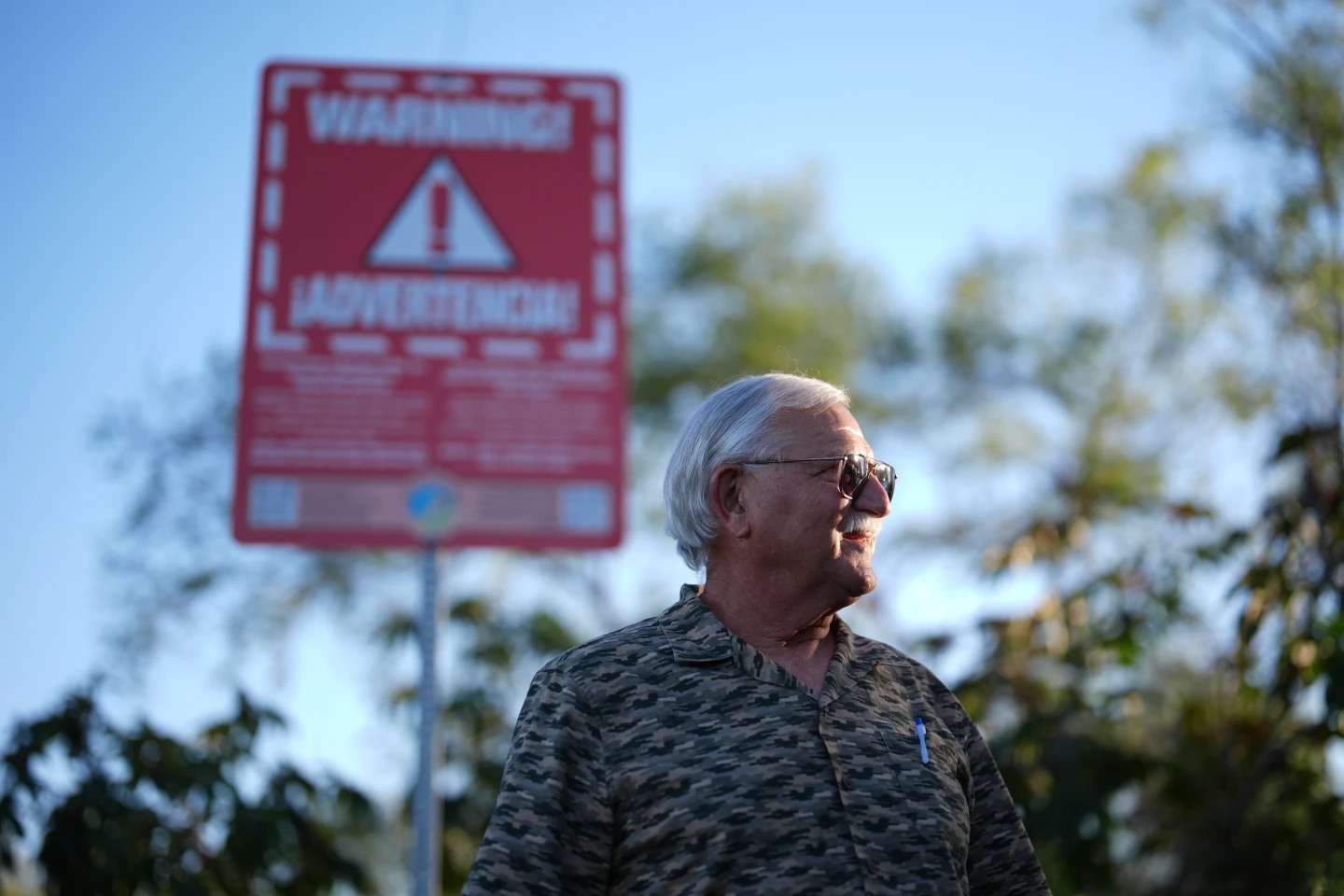
SAN DIEGO (AP) — The smell of rotten eggs permeates Steve Egger’s Southern California home, especially at night as the nearby Tijuana River foams up with sewage from Mexico before emptying into the Pacific Ocean.
Egger, 72, says he and his wife have frequent headaches and wake up congested and coughing up phlegm. Their home is outfitted with a hospital-grade filtration system that cycles the air every 15 minutes.
Despite those measures, “most nights we breathe in a horrible stench,” he said. “It’s awful.”
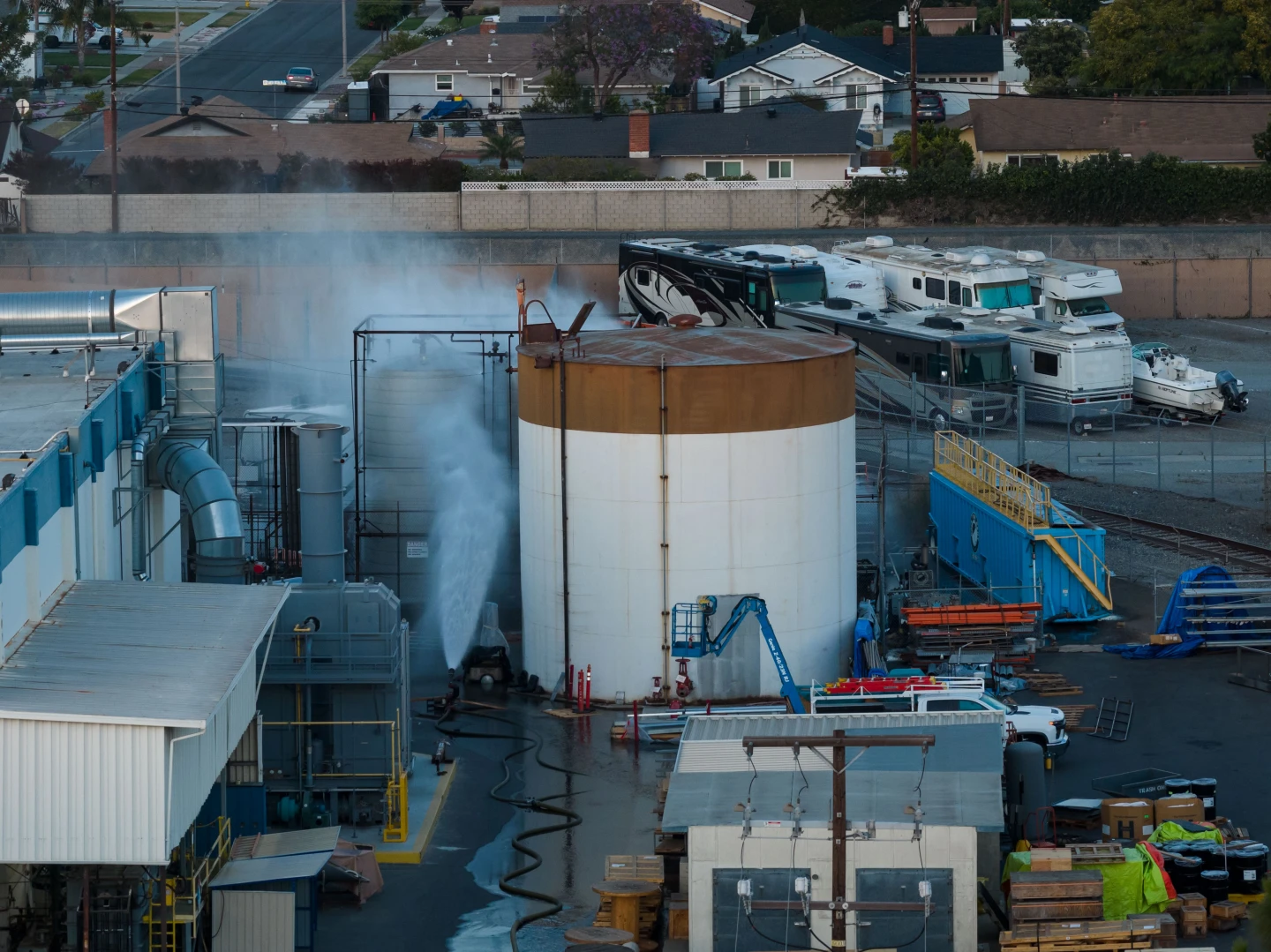
Since 2018, more than 100 billion gallons of raw sewage laden with industrial chemicals and trash have poured into the Tijuana River, according to the International Boundary and Water Commission. The river traverses land where three generations of the Egger family once raised dairy cows. The United States and Mexico signed an agreement last year to clean up the longstanding problem by upgrading wastewater plants to keep up with Tijuana’s population growth and industrial waste from factories, many owned by U.S. companies.
In the meantime, tens of thousands of people are being exposed to the sewage. Environmental Protection Agency Administrator Lee Zeldin said during a February visit to San Diego that it will take about two years to resolve one of the nation’s worst and longest-running environmental crises, which affects a largely poor, Latino population.
Raw sewage doesn’t just smell bad. It emits hydrogen sulfide, a toxic gas that can erode neurons in the nose and trigger asthma attacks. It can cause headaches, nausea, delirium, tremors, cough, shortness of breath, skin and eye irritation and even death, according to the Centers for Disease Control and Prevention. Its long-term health problems are only starting to be understood.
There is no federal safety standard for hydrogen sulfide except for workers at sites where the risk is extreme, such as wastewater treatment plants or manure pits. A few states set standards decades ago, but those are outdated. A California proposal would require the state’s 56-year-old standard reflect the health risks of the gas. In Texas, lawmakers are also considering updating its law.
“The river’s toxins infuse the air people breathe,” Dr. Matthew Dickson said, emphasizing the need for immediate action.
San Diego County has distributed over 10,000 air filters to homes, but the air remains a threat. The river’s foam can now be seen from space.
“When you look back at when the standard was first established and how it was reviewed, it was all about nuisance — basically it was all about odor,” said Democratic Sen. Steve Padilla, who represents the Tijuana River Valley. “Now we understand the scientific health impacts, and that needs to change.”
Egger said doctors have told him to move, though they have not given him a written diagnosis as suffering from hydrogen sulfide exposure. But his family’s roots run deep. “This is home,” he stated.
As the situation with the Tijuana River continues to evolve, community members, researchers, and officials are rallying together to push for solutions that prioritize public health and environmental safety.