In brief
A recent Immigration and Customs Enforcement (ICE) memo has caused alarm by allowing agents to forcibly enter homes without a judge's warrant. This marks a major shift from longstanding practices, where consent or a signed judicial warrant was required, stirring fears about increased risks for immigrants and the legal community's response. Amid broader enforcement tactics introduced by the Trump administration, advocates are urging for immediate scrutiny and expressed concerns over the implications of such actions.
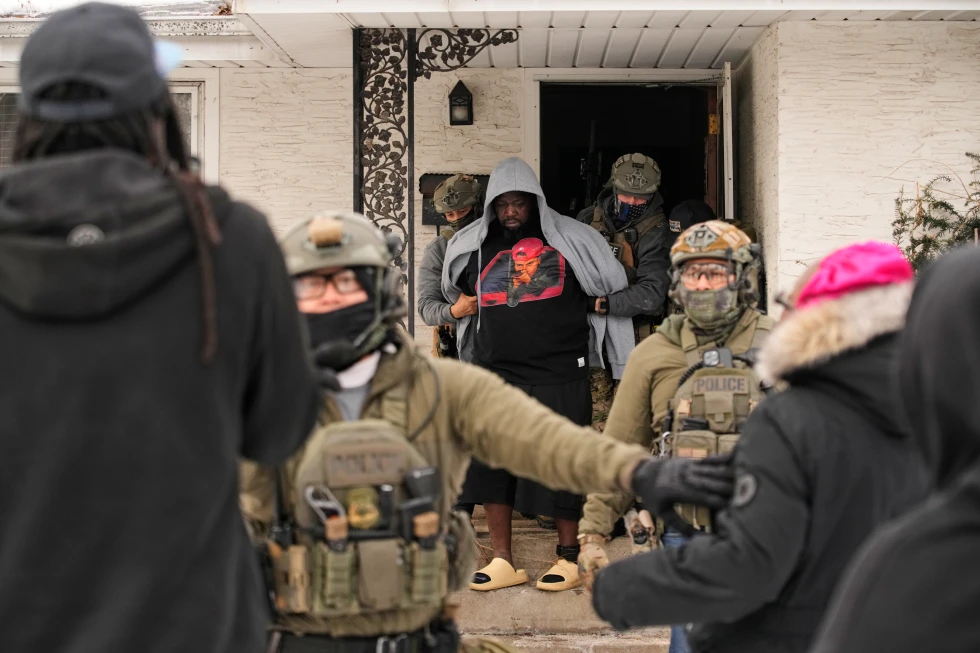
SAN DIEGO — Fernando Perez, a Mexican immigrant living in the United States for 30 years, has consistently followed the advice not to open his door to immigration officers without a warrant signed by a judge. This common rule is now at risk of change as an internal memo from Immigration and Customs Enforcement (ICE) declares that officers can force entry into homes without a judicial warrant. Longstanding defenses provided to immigrant communities are being challenged by this adjustment, which could redefine the legal landscape concerning immigration enforcement. Historically, as a result of the Fourth Amendment protecting against unreasonable searches, federal immigration officials had been limited to making arrests when they obtained consent or a proper signed warrant to enter private residences. Currently, most arrests were carried out using administrative warrants which ordinarily do not grant entry without consent. The recent ICE memo received significant media attention after it was revealed that officers could conduct arrests solely with a warrant issued by an immigration official if the individual has a final order of removal. Under these new guidelines, officers are instructed to knock and identify themselves before forcibly entering, a stark departure from prior practice where physical entry was prohibited without judicial consent.Concerns about the implications of the ICE memo have surfaced, with critics asserting it may put lives in danger. The memo suggests that agents can storm into homes if individuals do not respond adequately to the initial attempt to gain entry. Prominent figures have called for congressional hearings to examine and challenge this policy, highlighting how this may endanger not only immigrants but also inadvertently place law enforcement at risk.In a time when many community members are trained about their rights, the repercussions of this memo indicate possible regional variations in how immigrants react to federal presence, fundamentally altering decades of protocols surrounding immigration laws and rights awareness in public and private spaces.