In an alarming case at Hennepin County Medical Center in Minneapolis, registered nurses have expressed considerable doubt regarding the account provided by federal Immigration and Customs Enforcement (ICE) agents regarding the injuries sustained by Mexican immigrant Alberto Castañeda Mondragón. He was brought to the hospital with severe head injuries, including multiple skull fractures.
Reports indicate that upon arrival, ICE officials suggested Mondragón had attempted to flee and subsequently ran into a brick wall, which the healthcare staff found patently unrealistic given the severity of his condition. One nurse described the explanation as 'laughable,' stating there was no way his injuries could have occurred in such a manner.
This incident is part of a larger series of confrontations between immigration officers and healthcare staff in Minneapolis, with reports of ICE personnel asserting authority over detained patients in violation of hospital guidelines. Staff members allege that these agents linger at healthcare facilities, creating an intimidating environment that discourages proper patient care.
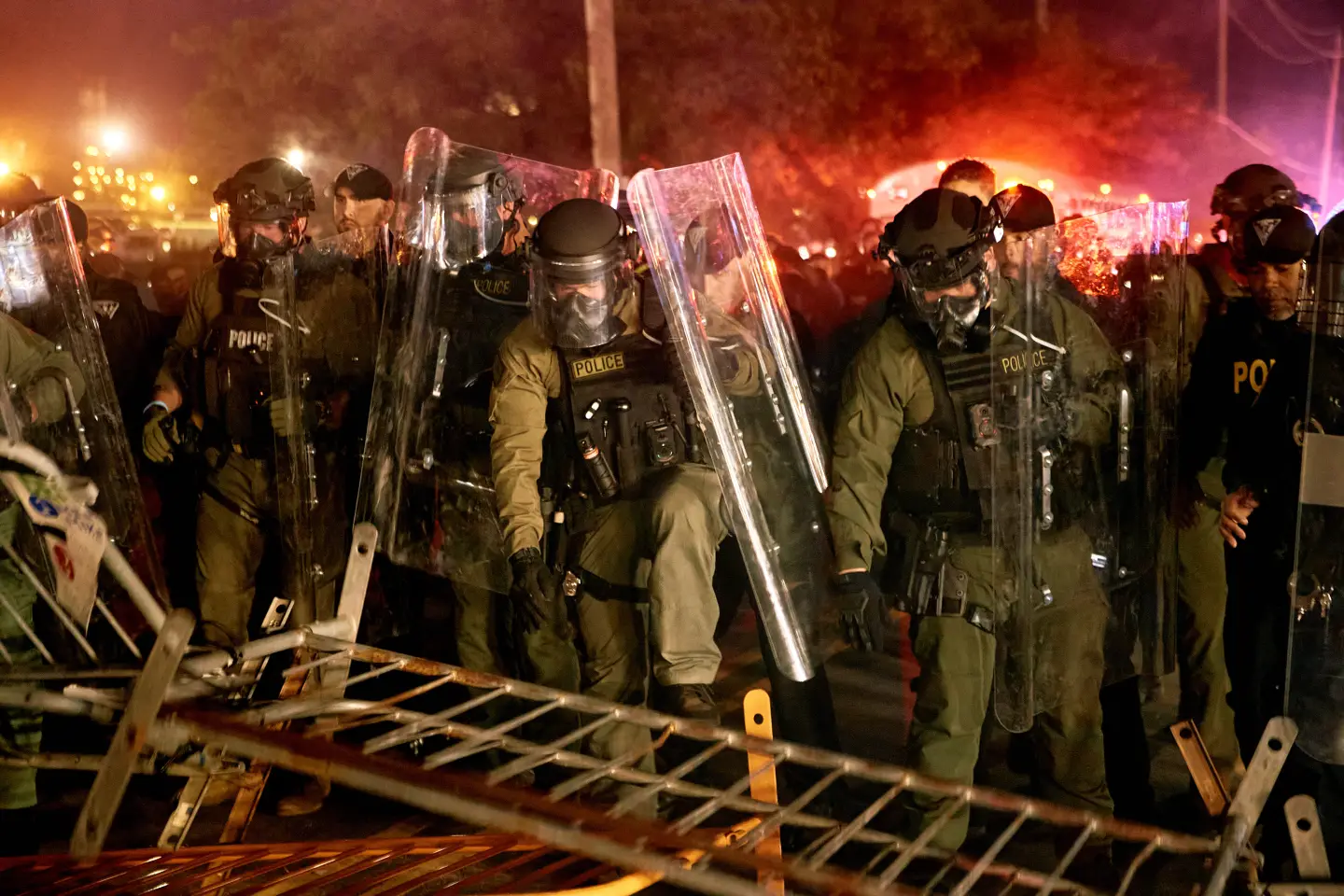
Since the initiation of 'Operation Metro Surge' under the Trump administration, ICE has increased its presence in Minneapolis hospitals, prompting administrators to establish protocols governing employee interactions with immigration officers. Such protocols are considered necessary as some hospital staff report feeling intimidated and have gone as far as to use encrypted communication to safeguard against potential surveillance.
Injured Patient's Care Plans Under Scrutiny
In interviews with medical personnel, they expressed significant concern that ICE’s methods, particularly in handling patients like Mondragón, were placing ethical strains on how medical staff perform their duties. Notably, Mondragón required significant medical attention after ICE insisted on restraining him while he was already disoriented and recovering from traumatic injuries.
Medical experts consulted by the Associated Press have stated that Mondragón’s injuries were inconsistent with a fall or a collision with a wall, supporting the belief that he incurred them while in custody of ICE.
The continued presence of armed ICE agents in medical facilities has resulted in considerable unease among hospital staff, with nurses reporting that they felt compelled to alter their routines to avoid crossing paths with immigration officials. Protocols that promote patient care without undue restraint may be contradicted by ICE’s enforcement practices, adding stress to healthcare workers who prioritize patient well-being.
Despite a U.S. District Court ruling recently ordering Mondragón's release from ICE custody, the repercussions of his hospitalization and treatment by immigration officers demonstrate deep divides and questions surrounding the treatment of immigrant individuals within the United States health system.
The implications of this case resonate beyond the specific circumstances surrounding Mondragón, highlighting a growing pattern of tension between healthcare and immigration enforcement and sparking urgent calls for review and reform of policies affecting both patients and medical providers.