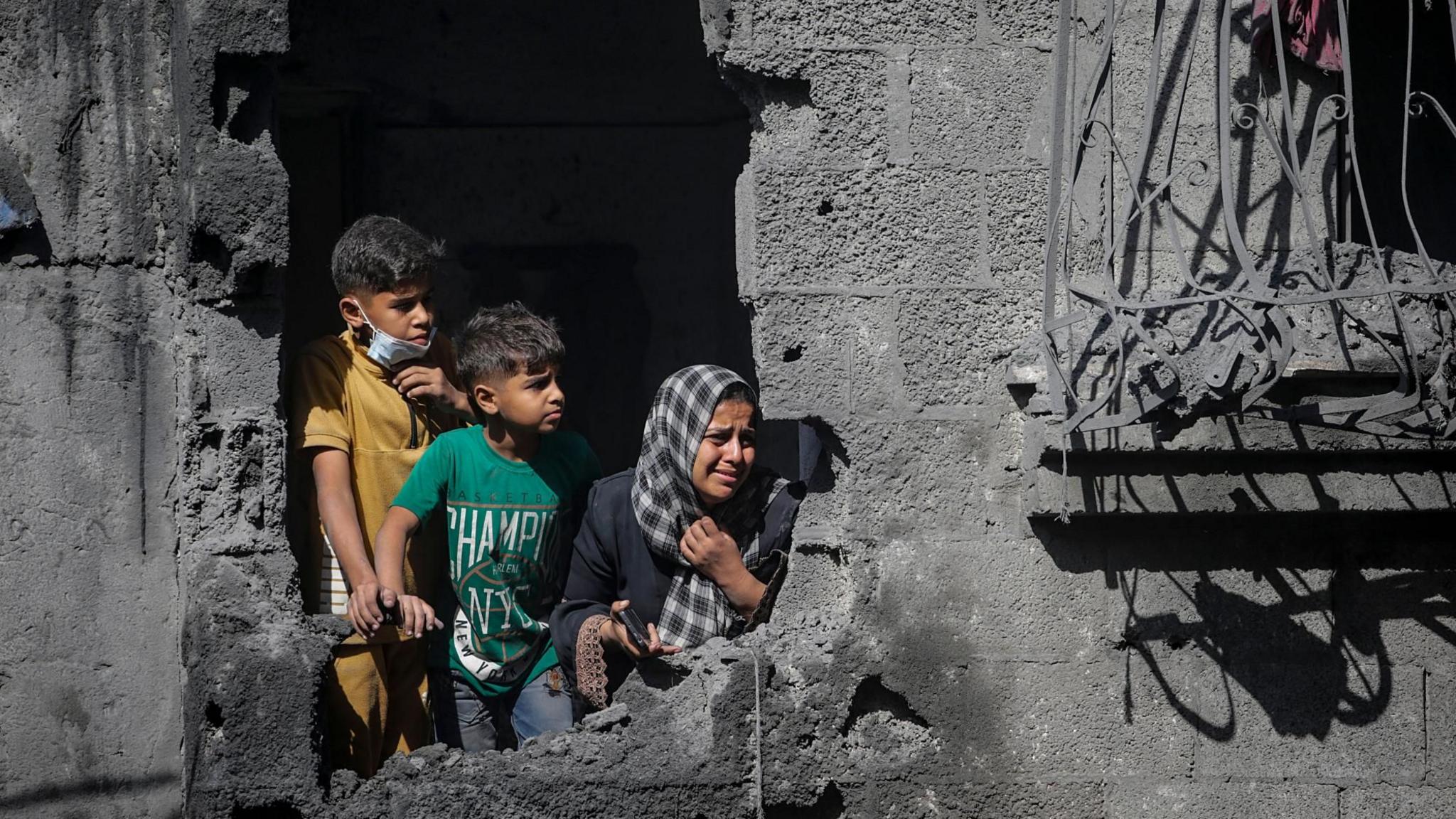
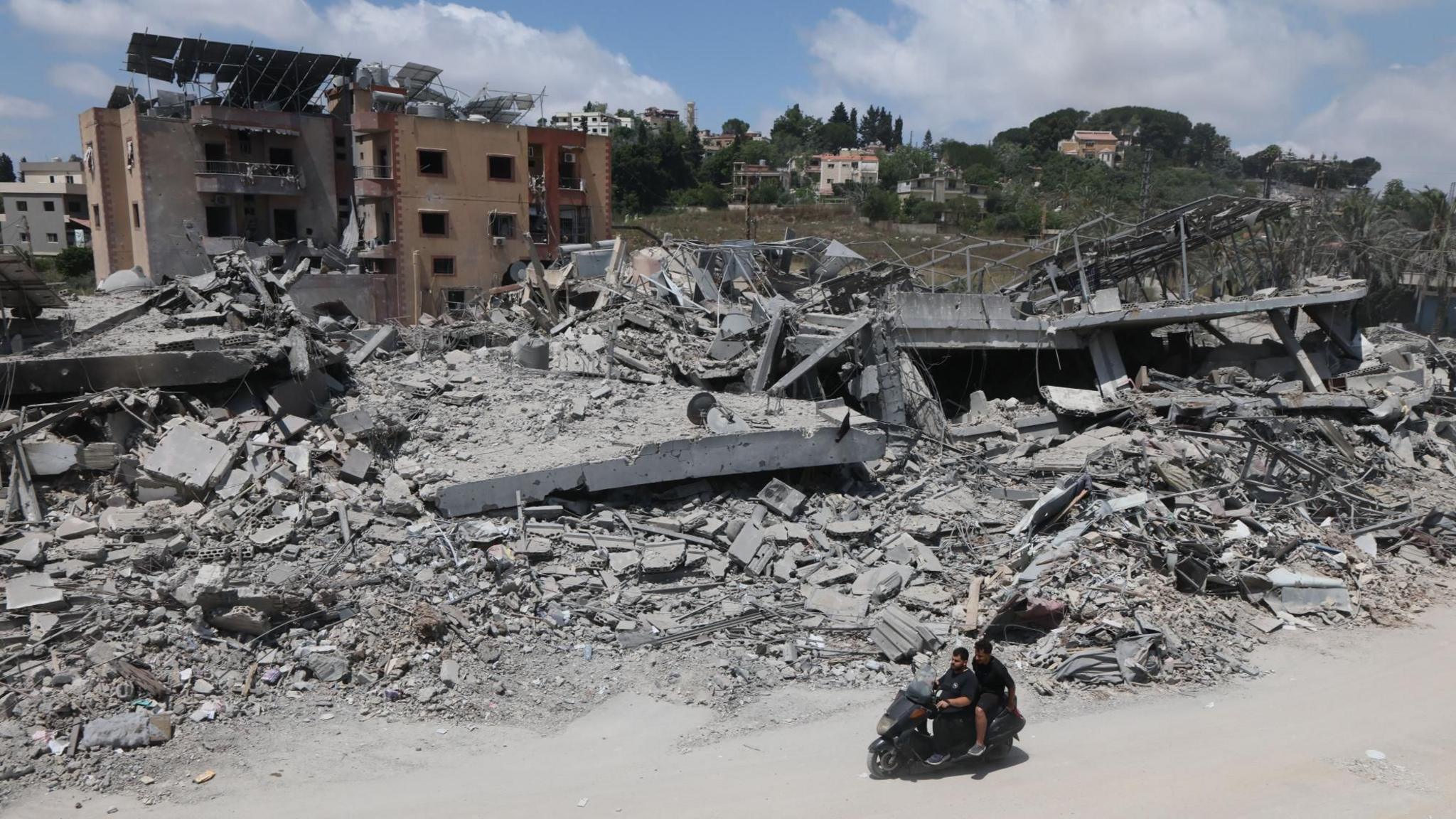
As news of the ceasefire spread through Israel's northern communities, sirens blared three times this evening warning of incoming rockets from Lebanon. In the sky above the northern city of Nahariya, Israel's air defence interceptors shot up to block them, triggering loud explosions. Ambulance crews reported at least three people wounded by shrapnel in the hours before the ceasefire took effect, including two seriously. On the ground here – and across the country – there's skepticism about why Israel's leader has signed up to the truce. I feel like the government lied to us, said Gal, a student in Nahariya. They promised that this time it would end differently, but it seems like we're once again heading toward a ceasefire agreement that solves nothing. Others, like Maor, a 32-year-old truck driver whose house was hit by a rocket last year, expressed frustration, saying, We gave the Lebanese government a chance and they failed to uphold the agreement; they didn't disarm Hezbollah. Reports indicate that Prime Minister Benjamin Netanyahu's sudden decision surprised even those in his cabinet, further indicating confusion and perhaps discontent regarding the terms negotiated by the United States. Critics argue that Netanyahu appears to be yielding to Trump’s demands at the expense of Israeli security interests. While the ceasefire is framed as an opportunity for lasting peace, many Israelis feel trapped in a cycle of political compromises that do not address the root causes of conflict. Amidst these discussions, the presence of Israeli army divisions in southern Lebanon remains a significant point of contention, with many voicing doubts over the efficacy of this latest ceasefire in genuinely reducing tensions or ensuring safety against ongoing threats.
Surprising Ceasefire Agreement: Trump's Impact on Israel-Lebanon Tensions
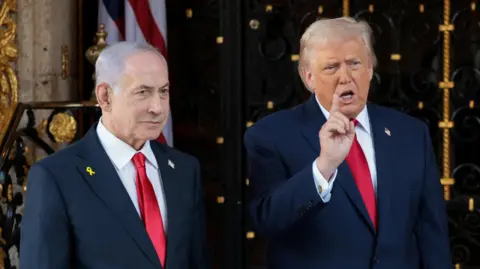
Surprising Ceasefire Agreement: Trump's Impact on Israel-Lebanon Tensions
The recent announcement of a ceasefire between Israel and Lebanon, influenced by U.S. President Donald Trump, has caught Israel unprepared. Criticism arises from skepticism over the ceasefire's effectiveness and its implications for national security.
As sirens warned of incoming rockets, Israeli communities reacted with skepticism to President Trump's unexpected ceasefire announcement between Israel and Lebanon. With recent rocket attacks and serious injuries reported, opinions vary widely among residents about the efficacy and motives behind this truce, raising questions about its impact on regional security and Netanyahu's leadership amid perceived U.S. pressures.