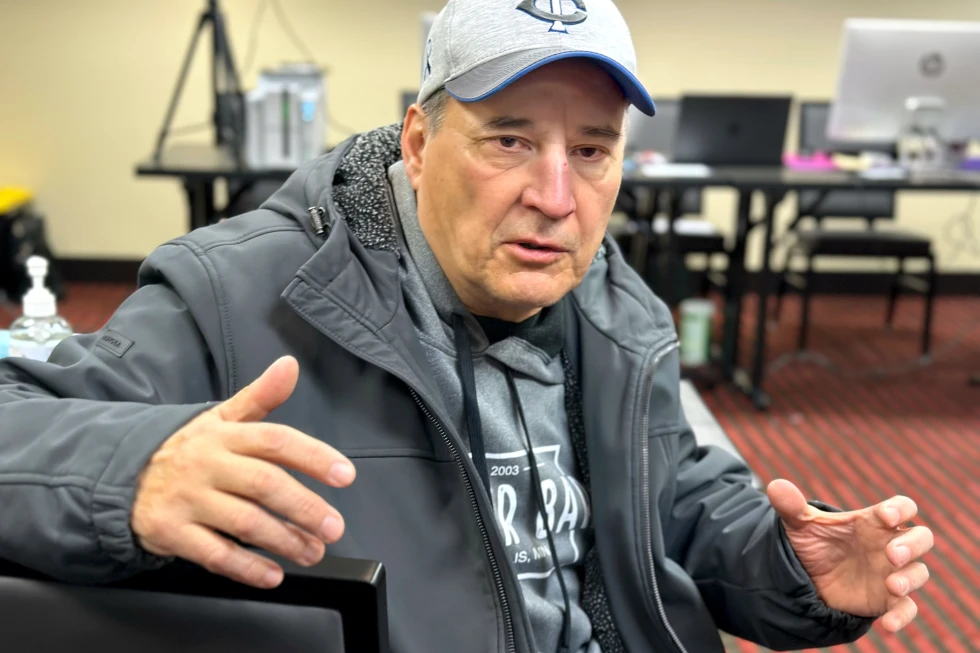
MINNEAPOLIS (AP) — As U.S. Immigration and Customs Enforcement (ICE) operations escalate in Minneapolis, many Native Americans are taking precautions by carrying tribal citizenship cards as a defensive measure against potential raids. Shane Mantz, a tribal citizen, reports that despite his Choctaw Nation status, he faces the risk of being misidentified, leading him to keep his identification close at hand.
This trend is echoed across the nation, where numerous tribes are facilitating access to tribal IDs—waiving fees, lowering age eligibility, and speeding up distribution—in a bid for safety amidst growing immigration enforcement.
Historical Context of Native Identity
Once seen merely as identification for tribal services, these documents are now emerging as vital proof of U.S. citizenship in light of aggressive immigration policies. The U.S. has a history of scrutinizing Native identity, especially since the 1800s, and tribal IDs are now being used as a protective measure against unjust treatment by federal authorities.
About 70% of Native Americans now live in urban settings, where they’re increasingly exposed to ICE activities. As such, local tribes are organizing ID application units in cities like Minneapolis, making it easier for members to secure the identification they need.
Continued Experiences of Intimidation
Reports from tribal leaders indicate a pattern of harassment by ICE agents across various states, raising alarms about racial profiling. For many, carrying tribal IDs has transformed from a matter of identity to a crucial survival strategy. This irony strikes deep within the Native community—the original inhabitants of the land are now forced to prove their citizenship, invoking feelings of frustration and anger.
Individuals like Faron Houle, who recently renewed his ID and helped his children obtain theirs, express concern over the implications of racial profiling and the necessity of always being prepared to validate their presence in their ancestral home. I think (ICE agents are) more or less racial profiling people, including me, he stated.
As communities rally together for support, grassroots events are sprouting up aimed at keeping Native populations informed and prepared against potential overreach from federal authorities. Christine Yellow Bird, a director within her tribe, underlines the growing importance of tribal identification, noting, I’m proud of who I am. I never thought I would have to carry it for my own safety. The message is clear: in today's socio-political climate, having proof of identity is an act of self-preservation.