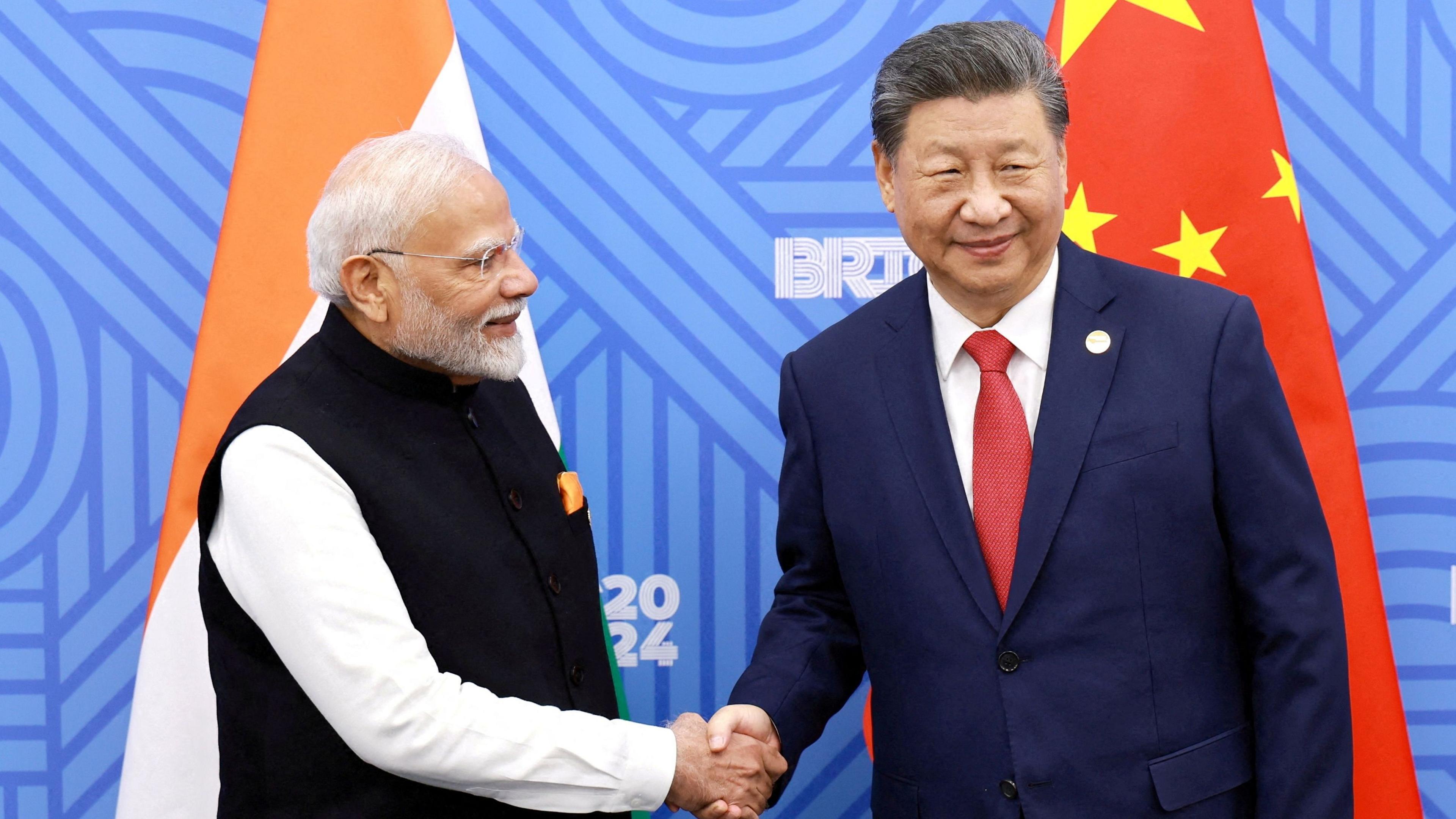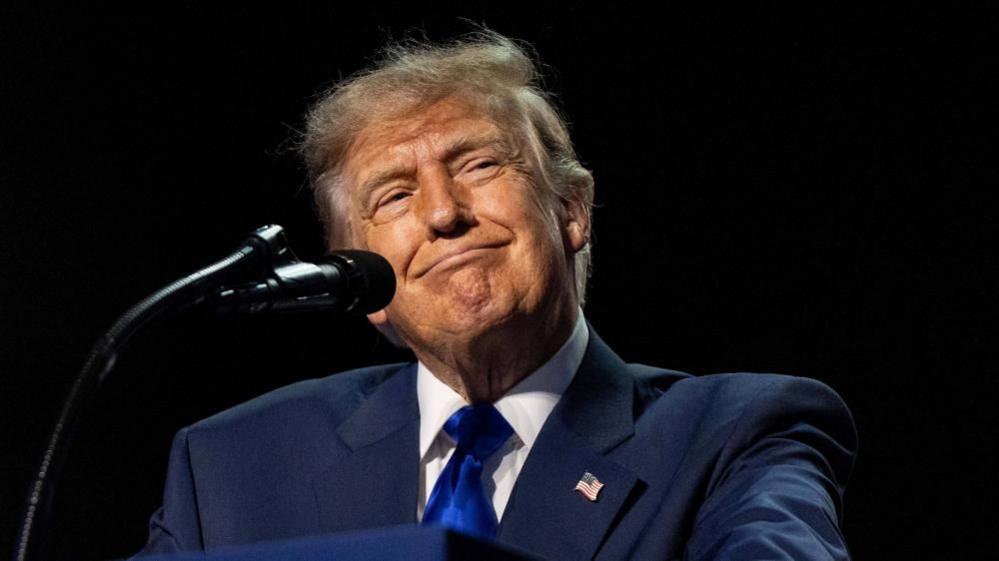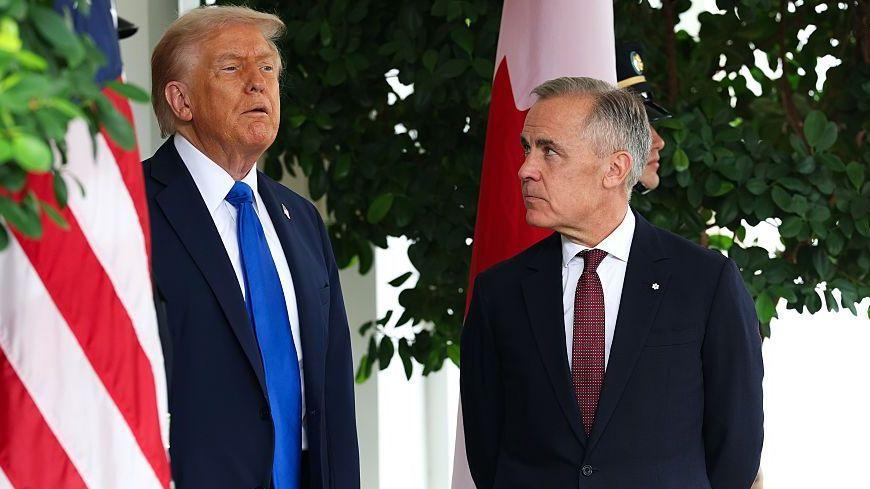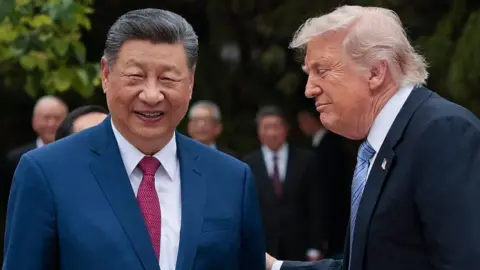
US President Donald Trump left Beijing after a two-day summit saying he had struck 'fantastic trade deals, great for both countries', but few details have emerged on what the two superpowers agreed. Trump arrived for a high-stakes summit with Chinese leader Xi Jinping on Wednesday, accompanied by several CEOs from diverse sectors including agriculture, aviation, electric vehicles, and AI. Trade was a central focus despite ongoing tensions surrounding the Iran war, with hopes for key deals and extensions to a tariff truce set to expire in November.
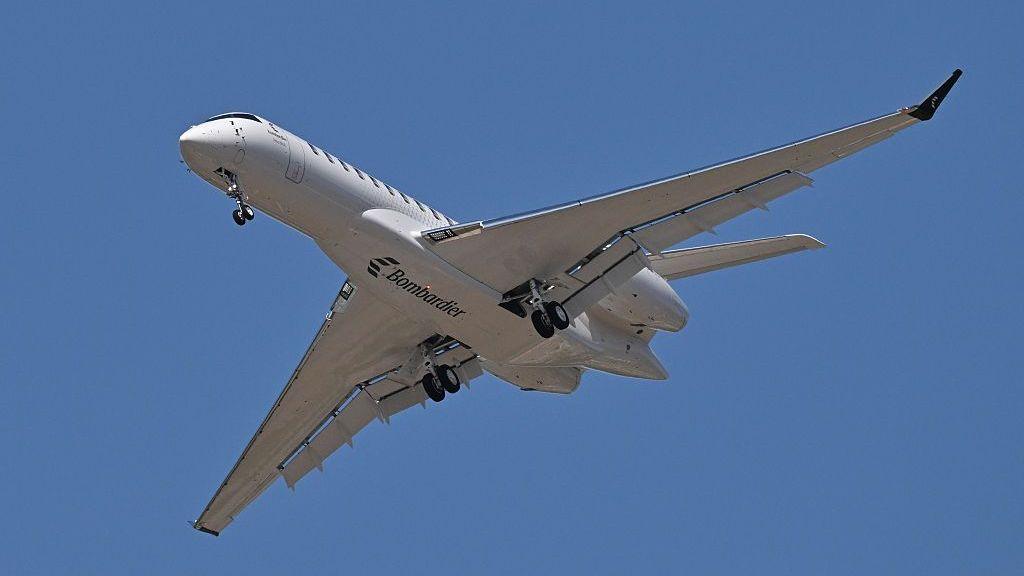
The visit was characterized by warm gestures and an intensive itinerary, though concrete results remained elusive. Trump invited Xi to the White House in September, with Xi also accepting the invitation. However, trade breakthroughs were not announced, despite Trump's assertion that China had agreed to purchase 200 Boeing jets, and potential additional commitments for 750 planes, confirmed by the aerospace company. Further, he indicated that American farmers might benefit from increased soybean purchases by China.
Despite these claims, China has not confirmed details of any agreements. Trump's comments on Air Force One suggested discussions around tariffs were minimal, emphasizing the establishment of a 'Board of Trade' to manage relations. US Treasury Secretary Scott Bessent spoke about future investment support, but emphasized that substantial progress is needed before announcements can take effect.
Key topics discussed included agricultural exports, technological cooperation, and the ongoing trade war's impact, particularly on American farmers' ability to export soybeans, beef, and poultry. Yet, uncertainty remains as the Chinese government didn't confirm these agricultural deals, although they expressed a desire for mutual benefits and stable trade relations.
The summit also touched upon broader geopolitical concerns, with discussions about Iran's influence on the Strait of Hormuz, a critical route for global energy transport, although specifics were sparse from Chinese statements. Moreover, the status of Taiwan was raised as a sensitive issue affecting US-China relations, with Xi stressing its importance during negotiations.
As the two nations continue these high-level discussions, the prospect of significant breakthroughs in trade remains, particularly with Xi's forthcoming visit to Washington expected to be pivotal.
The visit was characterized by warm gestures and an intensive itinerary, though concrete results remained elusive. Trump invited Xi to the White House in September, with Xi also accepting the invitation. However, trade breakthroughs were not announced, despite Trump's assertion that China had agreed to purchase 200 Boeing jets, and potential additional commitments for 750 planes, confirmed by the aerospace company. Further, he indicated that American farmers might benefit from increased soybean purchases by China.
Despite these claims, China has not confirmed details of any agreements. Trump's comments on Air Force One suggested discussions around tariffs were minimal, emphasizing the establishment of a 'Board of Trade' to manage relations. US Treasury Secretary Scott Bessent spoke about future investment support, but emphasized that substantial progress is needed before announcements can take effect.
Key topics discussed included agricultural exports, technological cooperation, and the ongoing trade war's impact, particularly on American farmers' ability to export soybeans, beef, and poultry. Yet, uncertainty remains as the Chinese government didn't confirm these agricultural deals, although they expressed a desire for mutual benefits and stable trade relations.
The summit also touched upon broader geopolitical concerns, with discussions about Iran's influence on the Strait of Hormuz, a critical route for global energy transport, although specifics were sparse from Chinese statements. Moreover, the status of Taiwan was raised as a sensitive issue affecting US-China relations, with Xi stressing its importance during negotiations.
As the two nations continue these high-level discussions, the prospect of significant breakthroughs in trade remains, particularly with Xi's forthcoming visit to Washington expected to be pivotal.