Key Findings of the Investigation
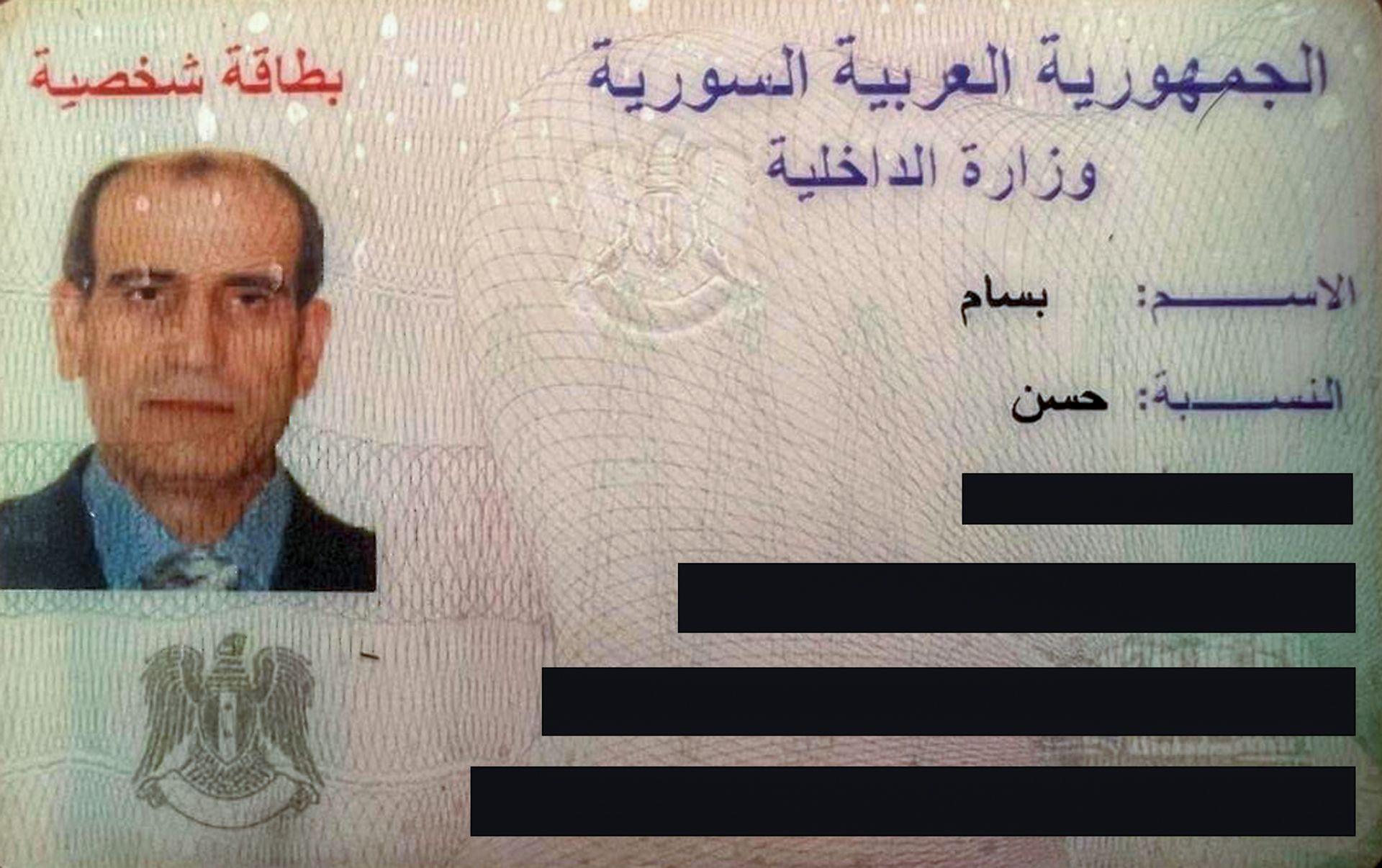
The BBC, in partnership with NPR, discovered that al‑Hassan received protection from Lebanese security forces and financial support from U.S. authorities through a confidential FBI agreement. The agreement is linked to the case of missing journalist Austin Tice, abducted in 2012, and tied to al‑Hassan’s alleged involvement in ordering Tice’s execution.
Al‑Hassan was believed to have fled to Iran following the regime’s collapse in early 2024, before negotiations involving the U.S., Lebanon and Iran redirected him to Lebanon. Lebanese officials, acknowledging the existence of the arrangement, said no formal knowledge of U.S. payments on the Tice case existed, while U.S. agencies remain silent beyond a focus on fact‑finding.
Tensions Between Syria and the United States
Scholars in Damascus hope to bring al‑Hassan to justice, but U.S. officials argue that maintaining his residency in Lebanon yields strategic intelligence benefits. This stance reflects an ongoing debate about the balance between national security interests and international law.
Sources indicate al‑Hassan’s cooperation has produced limited progress on locating Tice’s remains, with claims that searches stopped early due to safety concerns.
Broader Implications
Al‑Hassan is not the only former regime figure tied to the Tice case receiving assistance. Other officials, including those previously linked to chemical weapons operations and prison management, reportedly live abroad with the backing of U.S. or Lebanese intelligence.
The report underscores the need for robust oversight of covert intelligence arrangements, particularly when they involve individuals alleged to have committed serious crimes.