In brief
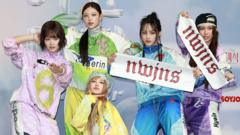
Recent events involving South Korean girl group NewJeans have reignited the debate over the classification of K-pop idols under labor laws. The Ministry of Employment and Labor declared that celebrities do not qualify as workers, effectively denying them rights protected by labor regulations. This response followed allegations of workplace harassment made by member Hanni regarding her treatment by their record label, Ador. Detractors have criticized the government's stance, highlighting the industry's notorious working conditions and lack of legal protections for artists.
In light of the growing popularity of NewJeans, which dominated K-pop achievements last year, their treatment raises urgent questions. The government’s ruling persists in categorizing these entertainers as independent contractors, citing a lack of fixed working hours and direct supervision as defining factors, while ignoring the exploitative nature of their grueling schedules. Despite calls for reform and the rallying of fans under the hashtag "IdolsAreWorkers," the industry remains largely unregulated. Advocates argue for legislative changes akin to the Talent Agency Act in Hollywood, aiming to protect artists from exploitative contracts and working conditions. However, no concrete steps have been taken toward reform, leaving many in the K-pop realm in precarious positions.