In brief
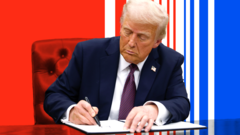
Donald Trump's return to the White House has been marked by a series of ambitious pledges aimed at altering the course of American policy. We explore the strides he has made, the legal hurdles he faces, and the political consequences of his initial actions as he endeavors to translate his promises into tangible results.
Donald Trump came into office buoyed by ambitious commitments, ranging from tax cuts to immigration overhauls and international diplomacy. Following his election victory, he emphasized a steadfast motto: "Promises made, promises kept," setting the stage for the initiatives he planned to pursue upon resuming the presidency.One of the most pressing challenges supports his vow to lower prices. Trump asserted during his campaign that, upon winning, he would take immediate action to tackle rising costs. In his inaugural address, he pledged to harness the full capacity of his administration to counter inflation. However, the economic landscape has proven to be complicated, with inflation rates soaring since his swearing-in. While Trump blamed his predecessors for these increases, he faces rising public scrutiny regarding the efficacy of his plans to combat price surges.Trump's immigration policies have remained a focal point of his administration. He vowed on day one to launch an unprecedented deportation program aimed at removing undocumented criminals, inciting both support and criticism. Despite a slew of executive orders intended to reshape immigration enforcement, recent data indicates that deportation numbers have not reached anticipated highs during his early tenure. The president asserts that these efforts will be ramped up, underscoring a significant aspect of his domestic agenda.In line with his commitment to justice, Trump moved swiftly to address the Capitol riots by issuing pardons to over 1,500 individuals charged in connection with the attacks. While he appears to have fulfilled this promise, it has sparked considerable backlash from various factions who view the pardons as controversial, particularly among law enforcement.On the international stage, Trump has reignited dialogue with Russia in an attempt to de-escalate the ongoing conflict in Ukraine. His claim to potentially resolve the war within 24 hours has raised eyebrows, particularly given concerns about the implications of any agreements that might sideline Ukrainian sovereignty.Another contentious promise has centered around birthright citizenship. Trump reiterated his pledge to abolish this long-standing practice as one of his first actions as president. Legal challenges have already begun to arise, with opponents arguing this infringes on constitutional rights established over a century ago.Lastly, Trump's stance on trade has led him to propose blanket tariffs on imports from Canada and Mexico, a decision stemming from concerns over border security and economic protectionism. While he initially indicated swift implementation, external pressures and feedback from neighboring nations have resulted in delays, highlighting the complexities of international trade relations.As Trump's administration navigates these multifaceted pressures, the fulfillment of his campaign commitments remains a balancing act between ambition and political feasibility. The scrutiny of his initial moves will likely shape both public perception and his legacy as he endeavors to translate promises into lasting policy.