
In brief
With the launch of "Waack Girls," a web series on Amazon Prime, the 1970s dance style of waacking is experiencing a resurgence in India. Directed by Sooni Taraporevala, the series centers around six women navigating societal challenges while embracing this vibrant form of dance. The move is part of a broader trend of workshops and events across Indian cities celebrating the historical and self-expressive aspects of waacking, which originated in the gay clubs of Los Angeles.
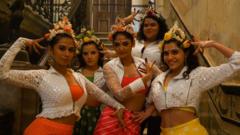
A dazzling woman takes center stage, her dress adorned with glittering tassels that shimmer and shake in rhythm with her captivating movements. Yet, it is her arms that enthrall the audience—whipping and waving through the air with astonishing agility, almost like the blades of a fan. This scene opens "Waack Girls," a recently released web series on Amazon Prime Video. The drama features six women as they embark on a journey to form their city’s first all-female waacking crew, battling societal expectations and familial opposition to pursue their passion for dance.Directed by Sooni Taraporevala, "Waack Girls" emerges at a time when interest in waacking—a dance style embracing self-expression—is booming across Indian cities. "I was captivated by the dance form and its focus on individuality," says Taraporevala, emphasizing her motivation in creating the series. As workshops and underground events known as waacking jams proliferate throughout the nation, international legends of the dance are also making their presence felt. Recently, Archie Burnett, a renowned waacking pioneer from New York, visited India, fostering greater awareness of the dance style.Dancers hope that "Waack Girls" will help illuminate waacking’s beauty and breadth beyond mainstream classical, hip-hop, and Bollywood forms. Waacking has a rich history tightly woven with the LGBTQ+ liberation movement and the vibrant spirit of disco. Originating in the gay clubs of Los Angeles during the 1970s, it served as a powerful medium for gay men to express themselves and combat the stigma of their sexual orientation. The dance's sharp, dynamic movements often resonate with the surprising action depicted in comic books, an influence recognized by dancer Tejasvi Patil, who explains that "waacking draws from the onomatopoeic term 'whack' and comic book sound effects."Additionally, the dance embodies the glamor of classic Hollywood, incorporating dramatic poses and fluid movements that highlight individual creativity. As this community grows in India, waacking serves as a conduit for empowerment and self-exploration for many in the LGBTQ+ demographic. Ayushi Amrute, an experienced waacker, notes that the dance reflects a safe space for performers to express their identities.Many dancers, including Amrute and Patil, have had to research independently to learn about waacking's history and techniques, as it was relatively unknown in India just over a decade ago. However, with its newfound popularity, the landscape has changed, and various age groups eagerly join waacking classes. Patil emphasizes maintaining the dance's ethos of self-expression and authenticity as she guides her students.While classic disco tracks from icons like Donna Summer and Diana Ross remain popular, there is an exciting evolution towards creating new soundscapes for waacking in India. Taraporevala enlisted independent artists to curate original soundtracks for "Waack Girls," showcasing a fresh and promising direction for Indian waackers."I believe it's the perfect time for everyone to embrace their true selves," Patil states, asserting that waacking provides an exceptional platform to share and celebrate one’s identity. As this dance form continues to weave itself into the cultural fabric of India, a revival of its rich legacy carries the promise of deeper connection and creative liberation.


