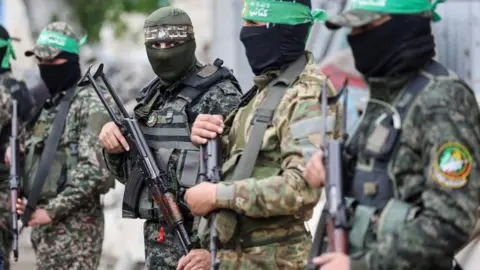
In a significant move amid ongoing geopolitical tensions, Hamas has decisively rejected a disarmament plan proposed by leading negotiator Nickolay Mladenov. This development underscores the complexities surrounding the peace efforts initiated under the Trump administration, according to a senior Palestinian official familiar with the discussions.
The official stated that Mladenov's framework for Gaza's demilitarisation is perceived as biased towards Israel, a critical barrier to advancing any further peace negotiations. Hamas has conveyed its unwillingness to engage with regional mediators until Israel adheres fully to the previously agreed terms of the ceasefire.
Israeli representatives maintain that progress cannot proceed without commitment to Hamas's disarmament, amplifying the impasse. A Hamas delegation was scheduled to conduct discussions in Cairo but emphasized that talks concerning the ceasefire's second phase would not begin without a complete cessation of Israeli actions in Gaza.
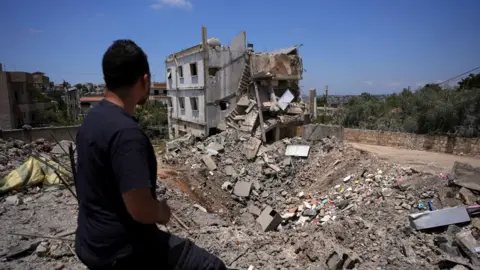
The peace plan initiated by the Trump administration successfully halted ongoing hostilities and facilitated the return of captured hostages, yet Hamas has expressed its intent to secure a full Israeli withdrawal along with international oversight for local security. Issues surrounding military withdrawals, reopening crossings for humanitarian aid, and restoring basic services have become focal points of contention in Hamas's demands.
Mladenov has argued that the disarmament of militant groups is essential for breaking the cycle of violence in Gaza and enabling large-scale reconstruction. However, Hamas leaders are calling for a clear timeline for Israel to fulfill its obligations under the ceasefire deal.
As the situation remains fluid, with the risk of renewed conflict on the horizon, the prospect of a lasting peace between Hamas and Israel appears increasingly precarious, hinging on both sides' willingness to compromise.